


 English
 русский
 Español
 عربى
 Français
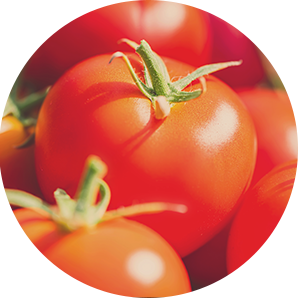
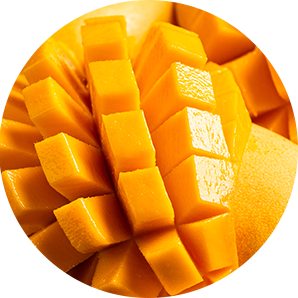
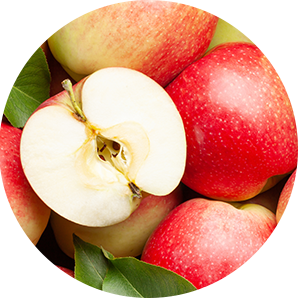
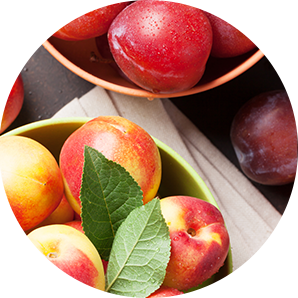
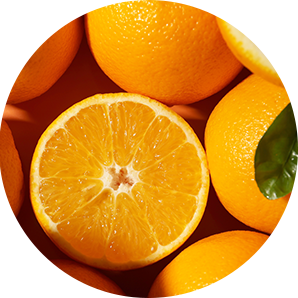
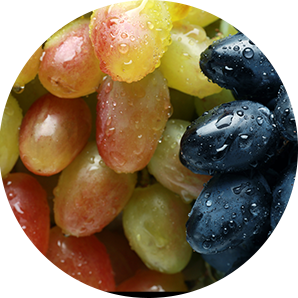
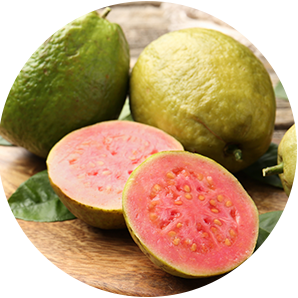
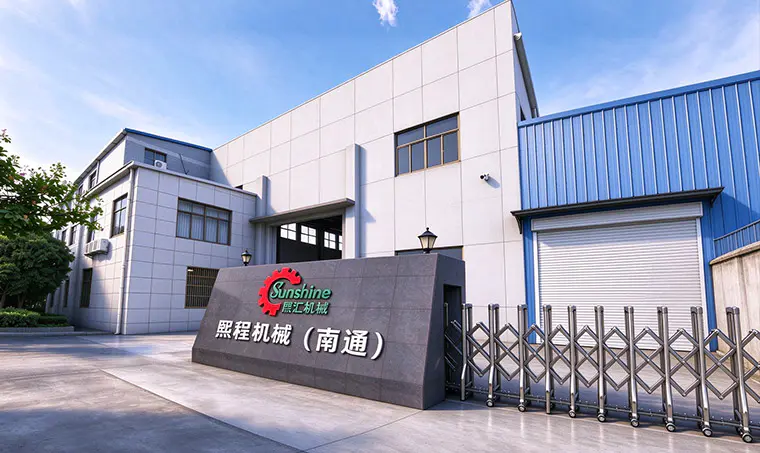
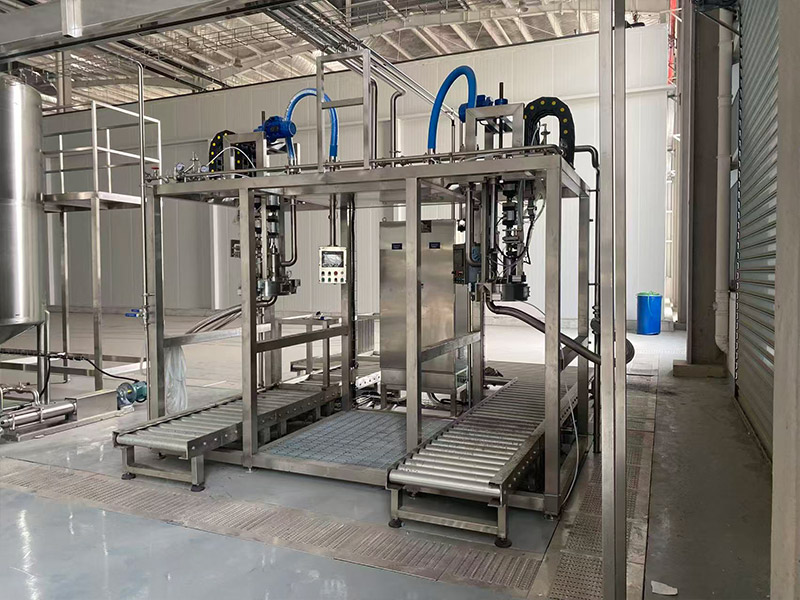
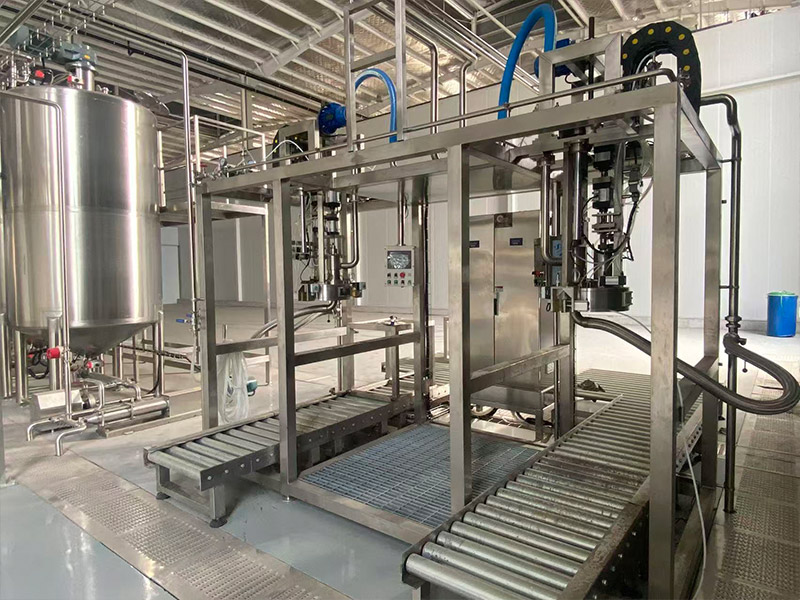
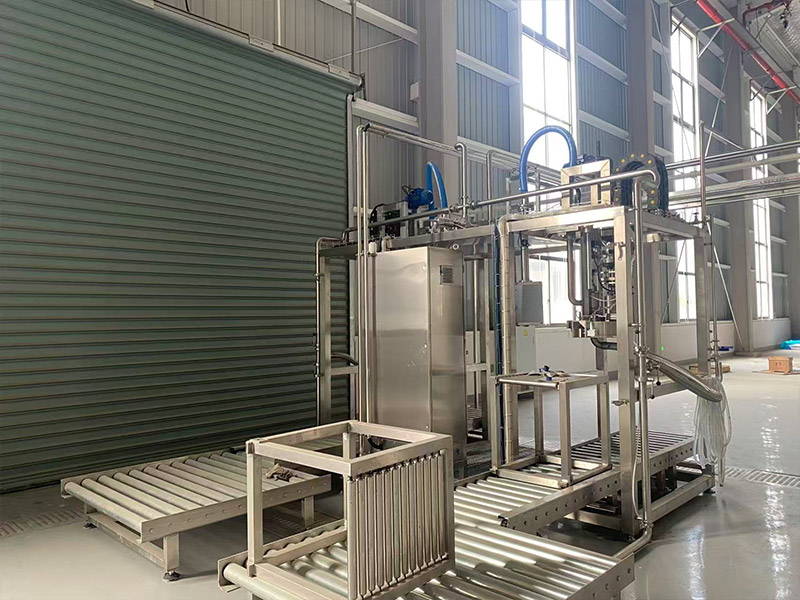
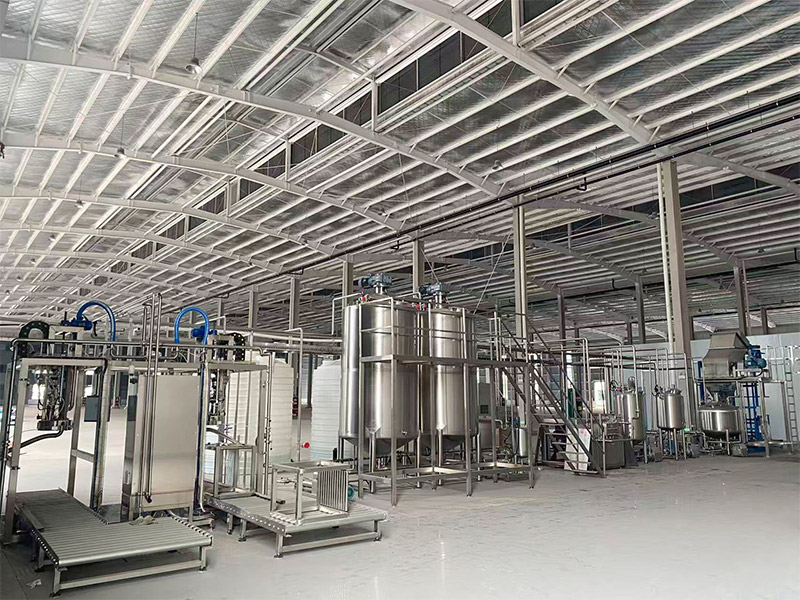
Sunshine Machinery (Shanghai) Co., Ltd. designs, manufactures, installs and commissions complete fruit and vegetable process lines for juice, puree, concentrate, sauce and hot-fill beverage production. As a Fruit/Veg. Process Line manufacturer in China, we build each line from the finished product backward: the fruit, the target specification and the packing format decide the process, and the process decides the equipment.
Our range covers dedicated lines for tomato, mango, apple/pear/thorn-pear, peach/apricot/plum, orange, grape and guava, supported by the individual machines and aseptic filling systems that make up each line. Capacity spans small, medium and large projects from 200 kg to 30 t of fresh raw material per hour.
Our Fruit and Vegetable Process Line Range
Each line below is a configured process sequence rather than a fixed catalogue item. We adjust the machine set, materials of construction, control philosophy and filling format to the raw material and the product you intend to sell.
Tomato Paste Processing Line
Covers the full sequence from fresh tomato receiving to packed paste, built around hot-break or super hot-break treatment for high-viscosity products, evaporation and aseptic or non-aseptic filling. Tomato paste processing line configurations are matched to brix target and pack size.
Mango Puree Processing Line
Washing, sorting, destoning, preheating, pulping and refining, sterilization and aseptic filling. The mango puree processing line is arranged around fibre content and the viscosity of the finished puree.
Apple / Pear / Thorn-pear Juice Processing Line
Crushing, pressing or extraction, clarification where required, concentration and sterilization. Our apple, pear and thorn-pear juice processing line is engineered for clear or cloudy juice and for concentrate.
Peach / Apricot / Plum Puree Processing Line
Stone-fruit lines combine washing, sorting, pitting, preheating, pulping, sterilization and aseptic filling. The peach, apricot and plum puree processing line is configured for pit removal integrity and colour retention.
Orange Juice Processing Line
An integrated system for NFC juice, concentrate and essential oil recovery. The orange juice processing line pairs citrus extraction with de-oiling, finishing and thermal treatment.
Grape Juice & Wine Processing Line
Turnkey handling from fresh grape to juice or concentrated juice, with pressing, clarification and stabilization stages. The grape juice and wine processing line is adapted to red or white processing routes.
Guava Puree / Concentrate Processing Line
Built for high-pectin, seed-heavy fruit, with refining and evaporation sized to the concentrate ratio. The guava puree and concentrate processing line runs from fresh guava to packed finished product.
Process Stages and Machine Selection
A fruit and vegetable line is a chain of unit operations, and yield losses concentrate at the interfaces between them. We select each stage against the raw material condition, the required particle size and the thermal load the product can tolerate.
| Process stage | Typical equipment | Selection driver |
|---|---|---|
| Receiving and preparation | Fruit washer, sorter, lifter | Soil load, defect rejection rate, hourly intake |
| Size reduction | Crusher, tomato crushing pump | Target pulp size, aeration sensitivity |
| Stone and seed removal | Destoner, pulper and finisher | Fruit geometry, allowable pulp loss |
| Extraction | Screw extractor, belt press, citrus extractor, refining machine | Juice yield, clarity, suspended solids |
| Thermal treatment | Preheater/scalder, tube-in-tube sterilizer, tubular UHT | Enzyme inactivation, viscosity, holding time |
| Concentration | Falling film or forced external circulation vacuum evaporator | Final brix, heat sensitivity, steam economy |
| Aseptic packing | Aseptic BIB filler, aseptic BID filler, non-aseptic filler | Bag size, shelf-life target, distribution format |
Engineering Value in the Line
Our engineering team carries forward the experience of the former Qianwei Machinery Factory of Shanghai Light Industry Machinery Group, with senior engineers and food-technology and mechanical-design graduates supporting each project. Technical cooperation with Italian and US process equipment companies has shaped our work in super hot-break treatment for high-viscosity products, multi-effect low-temperature vacuum concentration and aseptic bag-in-box filling.
- Product-first design: the process is fixed by the finished specification, then equipment is sized to it.
- Yield and solids control: extraction and refining stages are matched to the fruit so that pulp and juice losses stay predictable.
- Thermal economy: multi-effect evaporation and tube-in-tube sterilization reduce steam demand while protecting colour and flavour.
- Hygienic construction: food-contact surfaces, cleanability and drainability are considered at the layout stage, not retrofitted.
- Scalability: lines are planned so that a later capacity step or a new pack format can be added without rebuilding the whole plant.
Controls, Automation and Line Integration
Automation scope is agreed per project. Temperature, flow, brix and pressure loops are instrumented at the points that govern product safety and yield, and the control system is configured around the interface you require with existing plant equipment. Where a line is supplied as a whole, we coordinate the electrical and piping interfaces between stages so that commissioning is a single sequence rather than a series of separate machine start-ups.
Filling is treated as part of the process, not an add-on. Aseptic bag-in-box and bag-in-drum fillers, and non-aseptic fillers, are matched to the sterilizer output and to the bag sizes you distribute in, which keeps the thermal and filling stages balanced.
Quality Control and Acceptance
We apply full-process quality management. Before delivery, every machine completes a trial run and water debugging so that performance and mechanical condition are verified ahead of shipment. Inspection before delivery is part of the in-sale stage, and the results are shared with the project team.
Acceptance is planned around the agreed product specification: throughput at the working point, brix or concentration target, sterilization temperature and holding time, filling accuracy and seal integrity. Test methods and the raw material used for the trial are agreed before the acceptance run so that results are comparable.
Installation, Training and Serviceability
Our engineers provide on-site guidance for installation, commissioning and operation, and train your operators in running and maintaining the line. After commissioning, one or two engineers can remain on site to support the first production runs. Annual pre-season visits cover inspection, maintenance and technology upgrades, and remote diagnosis supports fast response to on-site faults.
- Spare parts and accessories supplied for the machines in the line.
- Maintenance schedules built around wear parts in extraction, refining and filling.
- Retrofit and modernization support for older equipment.
- Plant layout, building planning and utility requirement guidance during the project.
Information We Use to Configure Your Solution
A proposal is only as good as the inputs behind it. We work from the following project data to fix the machine set, capacity and packing format.
| Input | What it determines |
|---|---|
| Raw material and variety | Extraction method, destoning, refining screen, pulp yield |
| Finished product and specification | Brix, viscosity, clarity, thermal treatment route |
| Capacity target | Machine sizing from 200 kg to 30 t/h fresh intake |
| Pack format and bag size | Filler type, aseptic or non-aseptic route, downstream handling |
| Site conditions and utilities | Steam, water, power, compressed air, available floor area |
| Season length and operating pattern | Redundancy, cleaning cycle, spare parts holding |
Frequently Asked Questions
What capacity range can Sunshine supply?
We provide complete fruit and vegetable process lines in small, medium and large scales, from 200 kg to 30 t of fresh raw material per hour. The exact working point is fixed together with the product specification, since a concentrate line and an NFC juice line of the same intake run at different downstream loads.
Can one line handle both juice and puree?
In many cases yes, with the right extraction and refining configuration. Whether a shared line makes sense depends on how often you switch products, the cleaning time between runs and the pulp level each product requires. We review those changeover conditions before proposing a combined or dedicated layout.
Do you supply individual machines as well as complete lines?
Yes. Alongside turnkey lines we supply standard equipment including aseptic and non-aseptic BIB and BID fillers, tube-in-tube sterilizers, tubular UHT and pasteurizers, evaporators, crushers, destoners, extractors and pulpers. This lets an existing plant add a stage or replace a machine without rebuilding the whole process.
How is the line tested before shipment?
All equipment undergoes a complete trial operation and water debugging before delivery, and inspection is carried out before shipment. The acceptance criteria for the project — throughput, concentration, sterilization parameters and filling performance — are agreed in advance so the trial run can be measured against them.
What support is provided after commissioning?
We provide on-site installation guidance, commissioning, operator training and maintenance training. Engineers can stay on site for the initial production period, and annual pre-season visits cover inspection, maintenance and upgrades. Spare parts, remote diagnosis and equipment modernization are also part of our service scope.