


 English
 русский
 Español
 عربى
 Français



2014
Establishment time
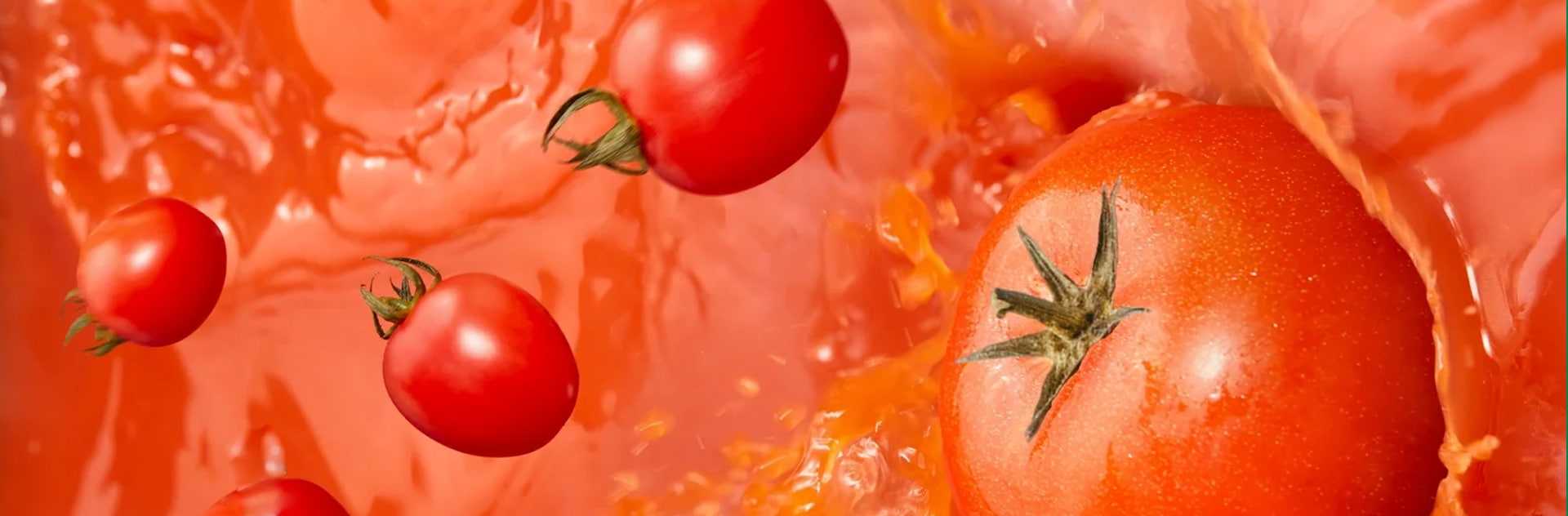
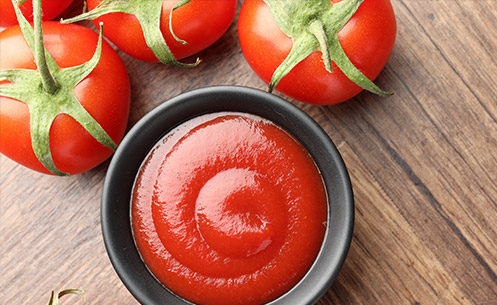

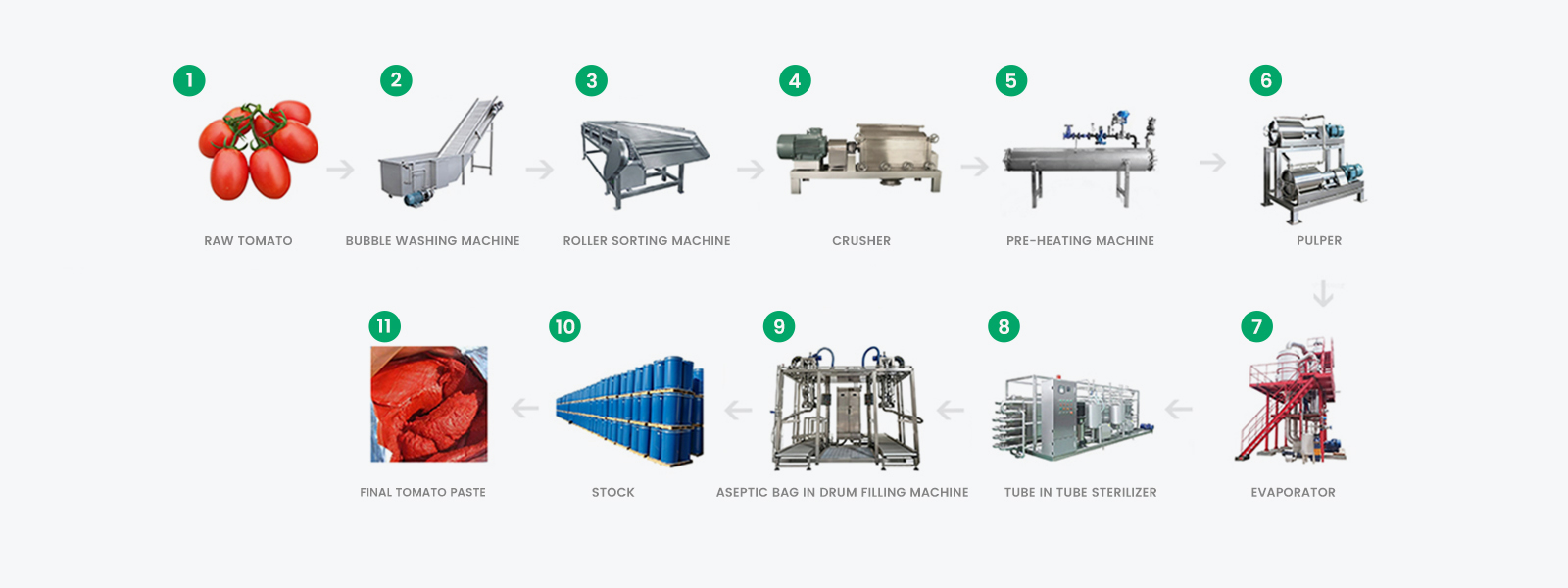
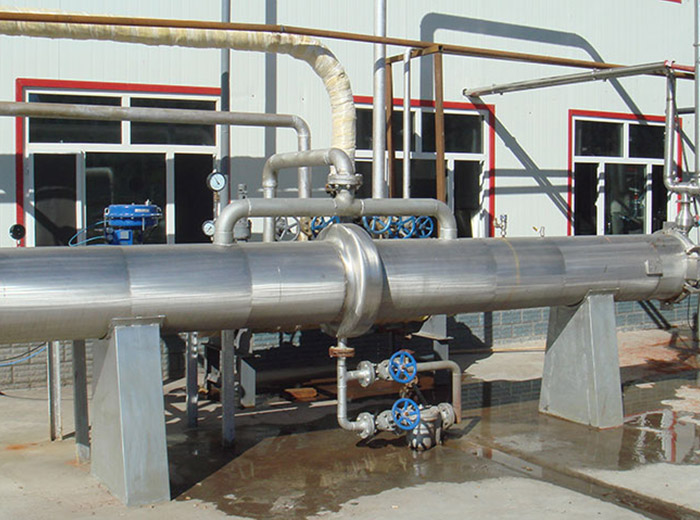
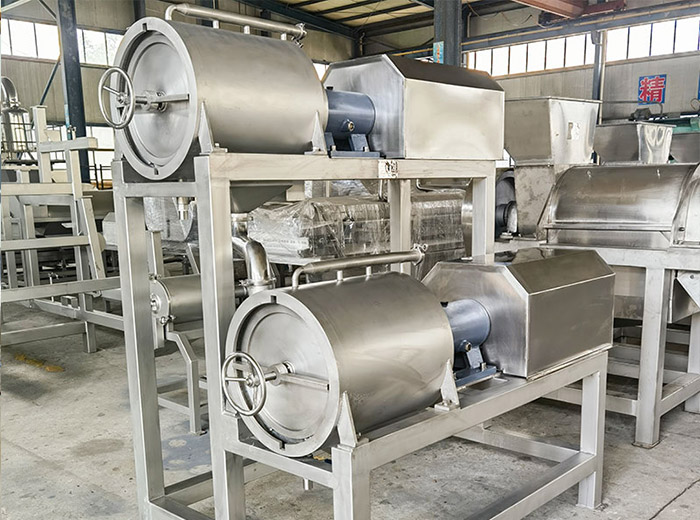
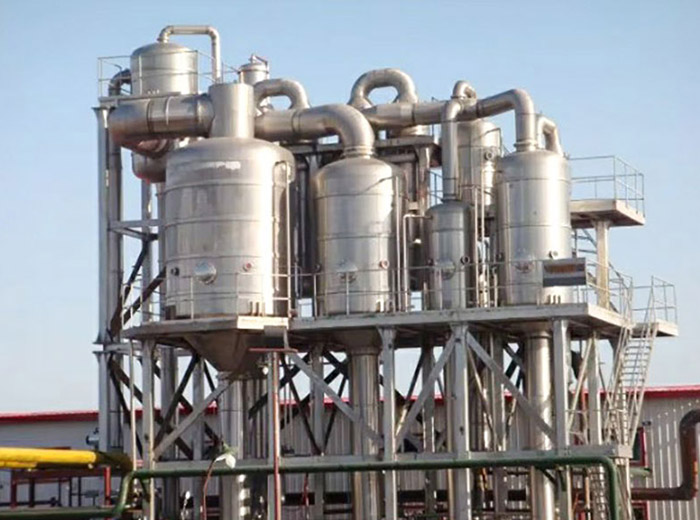
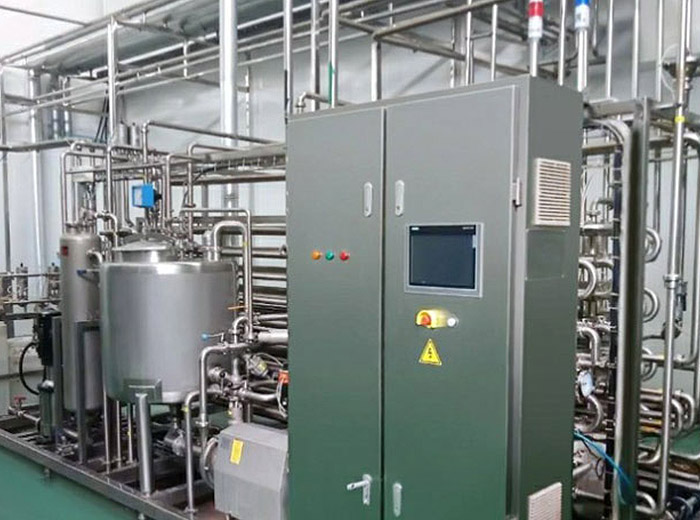
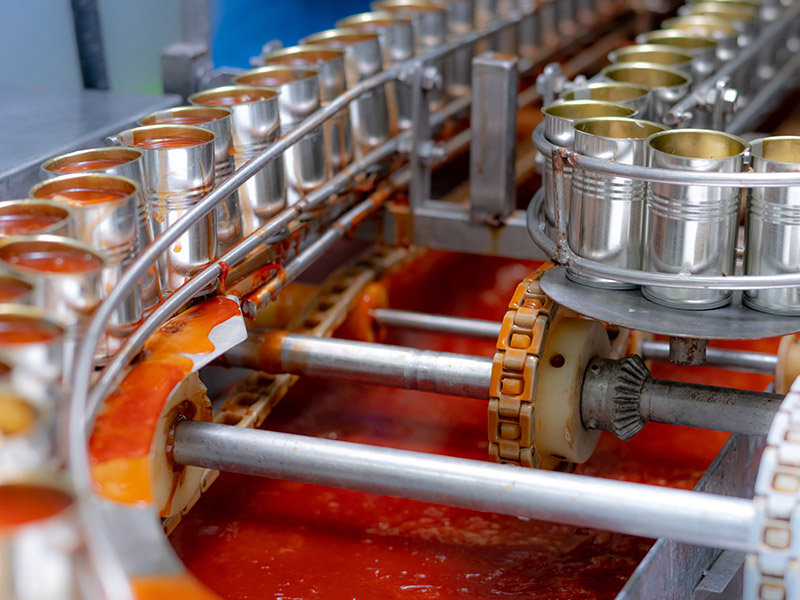
Our tomato paste processing line is a highly efficient and intelligent processing line covering the entire process from fresh tomatoes to finished product(tomato paste) packaging. The line mainly includes a receiving pool, bubbling washing machine, roller sorter, crushing machine, preheating machine, pulping machine, evaporator, UHT sterilization machine, and aseptic filling machine. Through low-temperature concentration and multi-effect evaporation technology, it not only significantly reduces energy consumption but also preserves the natural color and nutrients of tomatoes to the greatest extent. The entire line supports the production of tomato paste of various concentrations (e.g., 28%-38%), boasting advantages such as high automation and strict hygiene standards, making it an ideal choice for large-scale production of high-quality tomato paste.


| ITEM | SPECIFICATION |
| Major material | Fresh fruit (tomato/strawberry/blueberry/raspberry/mulberry/chilli, etc.) |
| Minor ingredient | Zero |
| Final product | Tomato paste, strawberry paste concentrate, blueberry paste concentrate, raspberry paste concentrate, mulberry paste concentrate, chilli paste concentrate, etc. |
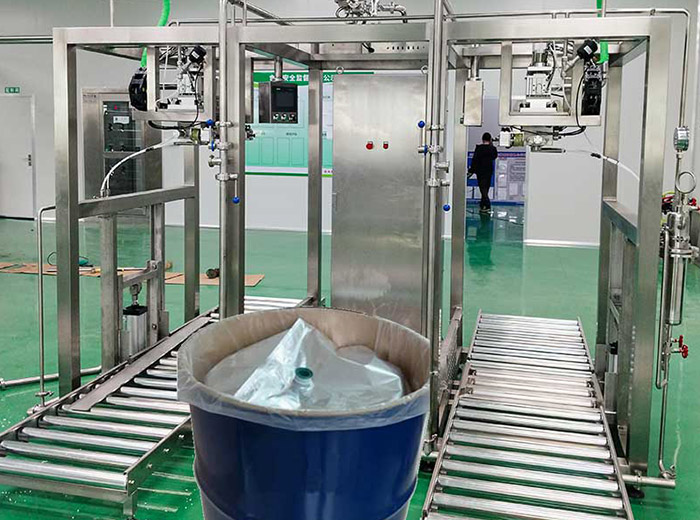
| Final product package | Aseptic bag (220Liter or 1000Liter) |
| Process capacity | 0.5~75tons/hr fresh fruits input |
| Budget | 150,000~3,000,000USD |
| Main characters | 1- Can be used to produce cold-break, hot-break product and different Brix product upon client’s requirements. |
| 2- The juice extraction rate is more than 2~3% by using the new Italian technology crusher than the traditional structure. | |
| 3- Multi-effect vacuum evaporation and UHT tube in tube sterilizing incorporated Italian technologies can retain the fruits’ nature color, flavor and nutrition at the maximum. | |
| 4- Auto CIP & SIP are available for UHT tube in tube sterilizer and aseptic bag filler together synchronously. | |
| 5- In comparison with traditional structure, the new patented tube in tube sterilizer can save energy more than 30%. | |
| 6- The sterilizing temp of tube in tube sterilizer can be controlled accurately to ensure the stable product quality index such as viscosity, color, etc. | |
| 7- The optimal proposal is designed and customized upon the client’s project specified requirements and actual conditions based on the principle of “advanced process flow, simple structure equipment, reliable running and energy saved”. Meanwhile, we can design multi-fruit combined processing line as per the local resource available so as to maximum the equipment’s using efficiency. | |
| 8- The PLC control system and main electric components from SIEMENS, SCHNEIDER or other reliable international brand to ensure the reliable and high auto running. |

 Germany
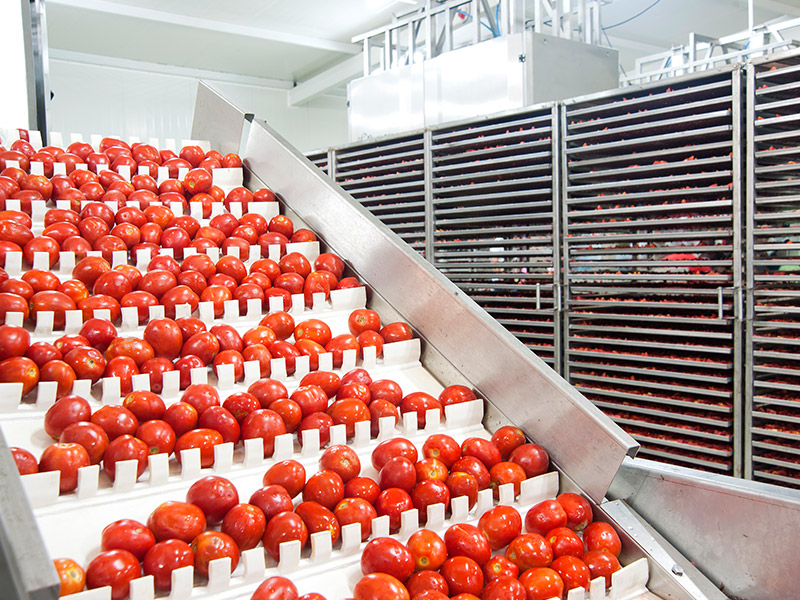
 Tomato Juice Project
Germany
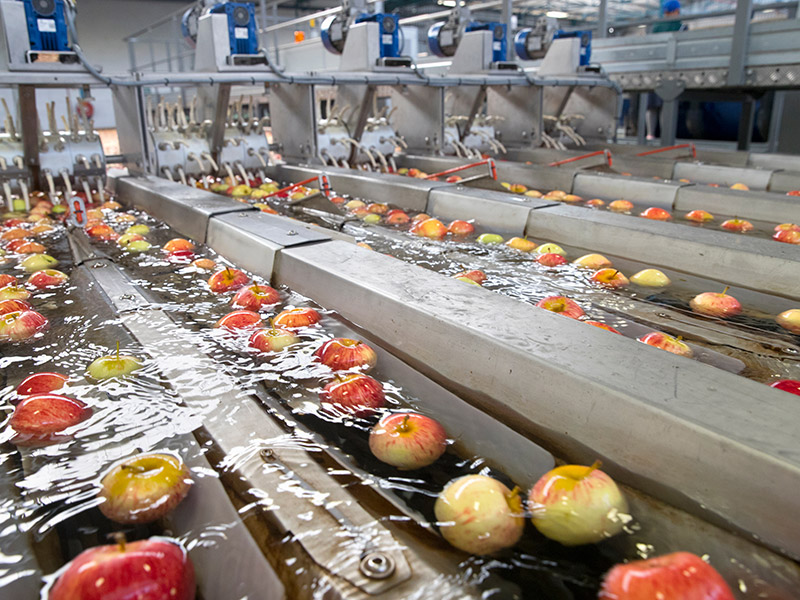
Apple Juice Project

America
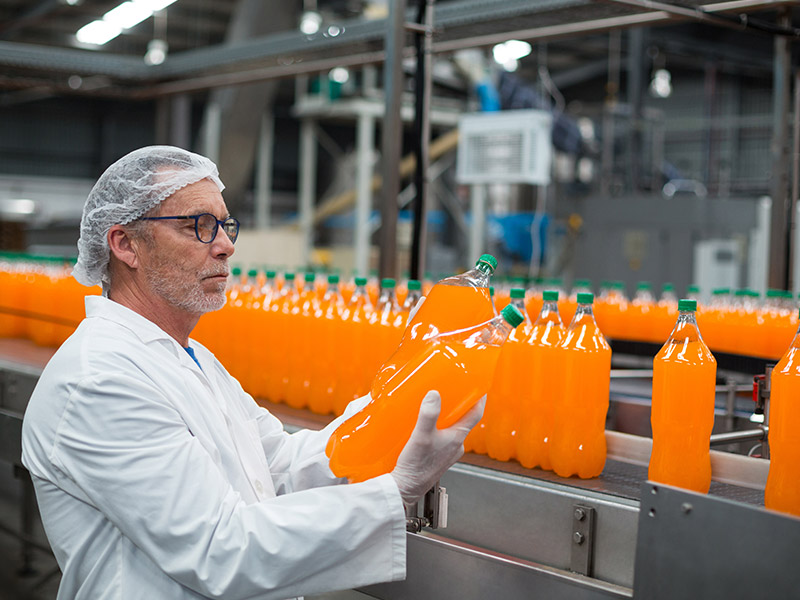
Orange Juice Project
America
Tomato Sauce Project

Italy
Apple Juice Project
Italy
Tomato Juice Project
Through common questions, you can better understand the company's products, as well as the solutions to issues related to production and after-sales service.
Contact Us
About Us
Establishment time
Number of employees
Company area
Exporting country



Sunshine Machinery (Shanghai) Co., Ltd. designs and builds complete Tomato Paste Processing Line manufacturer systems that take fresh tomatoes through receiving, washing, sorting, crushing, pre-heating, pulping, multi-effect vacuum concentration, UHT sterilization and aseptic bag filling. Each line is configured around the Brix target, break type, viscosity requirement and packing format of the project, with capacity from 0.5 to 75 tons per hour of fresh fruit input.
Our engineering background comes from the former Qianwei Machinery Factory of Shanghai Light Industry Machinery Group, and our process team works with Italian and international technology partners on low-temperature concentration, hot-break and aseptic filling. Among Tomato Paste Production Line Manufacturers, we supply the line as a coordinated process, not a set of separate machines, so that extraction yield, colour, viscosity and microbiological stability are controlled from the first wash tank to the filled aseptic drum.
As a Tomato Paste Processing Line manufacturer, we match product configuration to the application, operating limits, interfaces and acceptance criteria defined for each project.
The line is built for tomato paste in the 28–38% concentration range, with cold-break and hot-break configurations available according to the viscosity and colour profile required by the end market. The same process platform handles strawberry, blueberry, raspberry, mulberry and chilli pastes and concentrates, which allows a plant to extend its season beyond tomato.
Each stage has a defined duty in the process, and the equipment is sized from the fresh-fruit input rate and the evaporation load rather than from a fixed catalogue model. The table below shows the standard sequence and the function of each unit.
| Stage | Equipment | Process Duty |
|---|---|---|
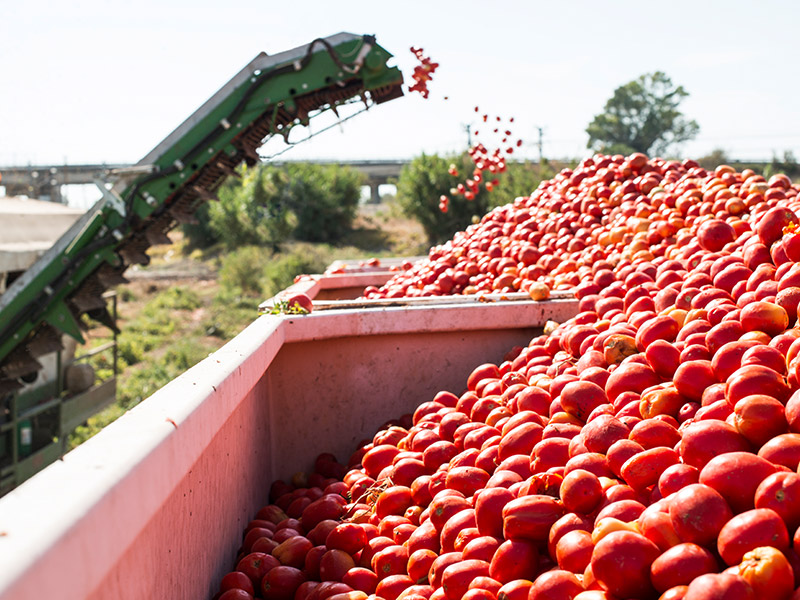
| 01 Receiving | Receiving pool | Buffers incoming fruit and feeds the washer at a controlled rate. |
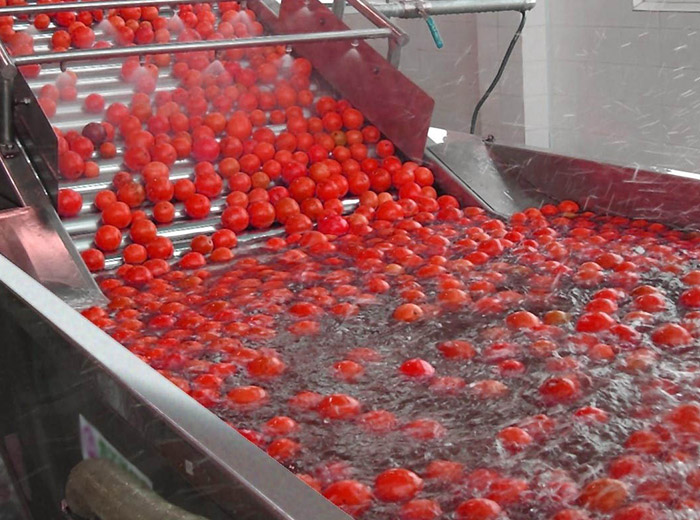
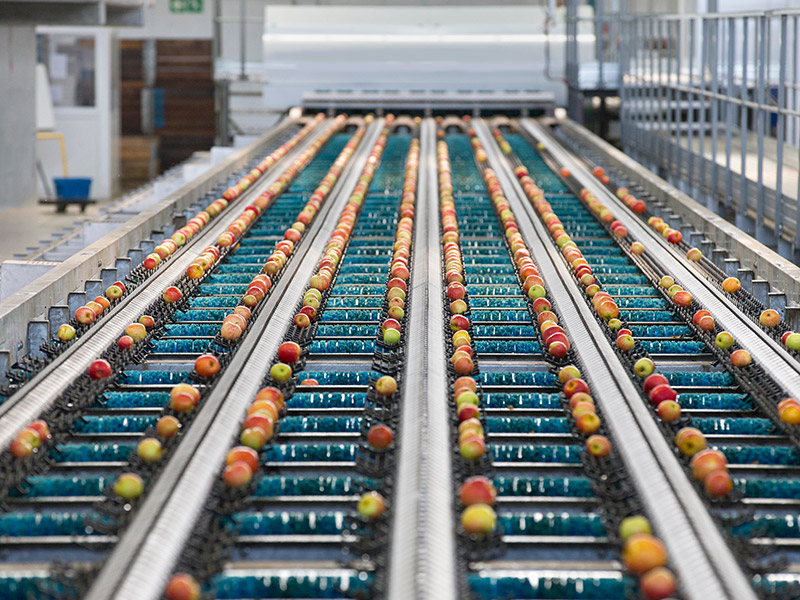
| 02 Washing | Bubble washing machine | Removes soil, field debris and surface contamination. |
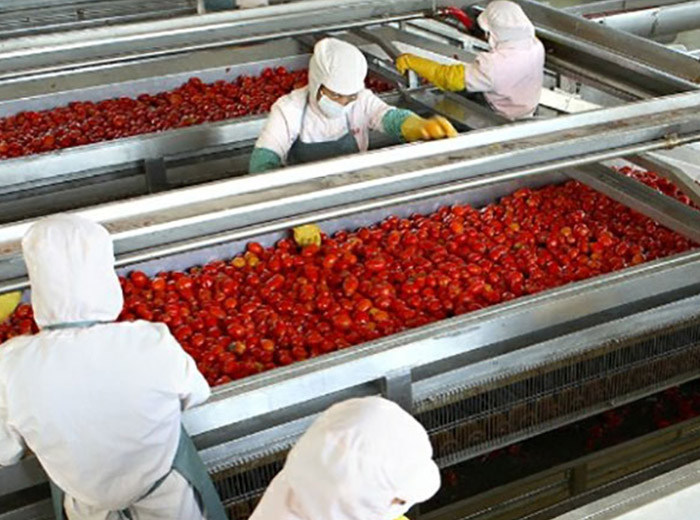
| 03 Sorting | Roller sorting machine | Manual removal of rotten and defective fruit before processing. |
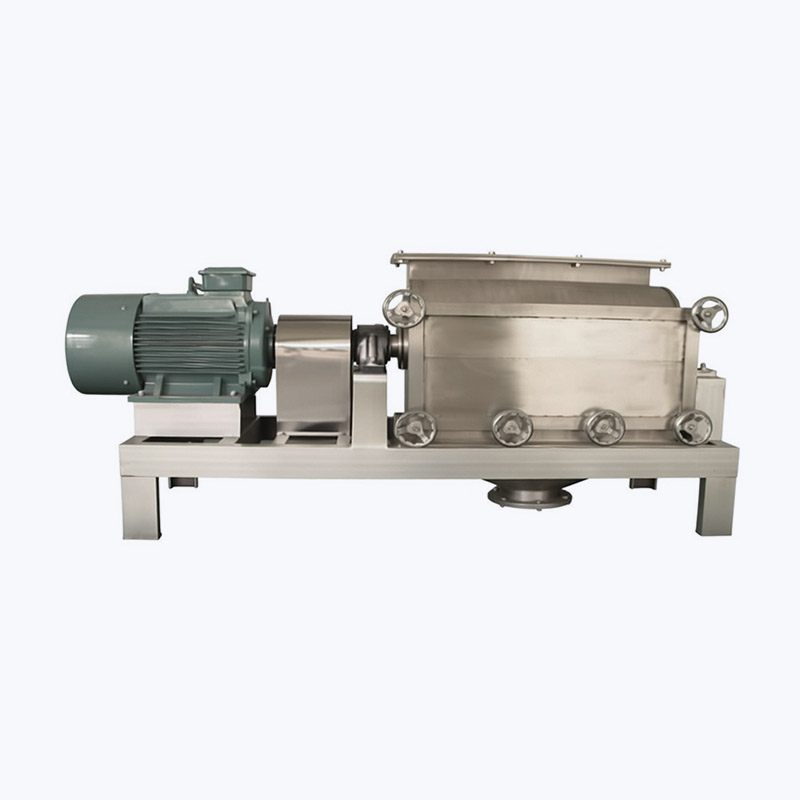
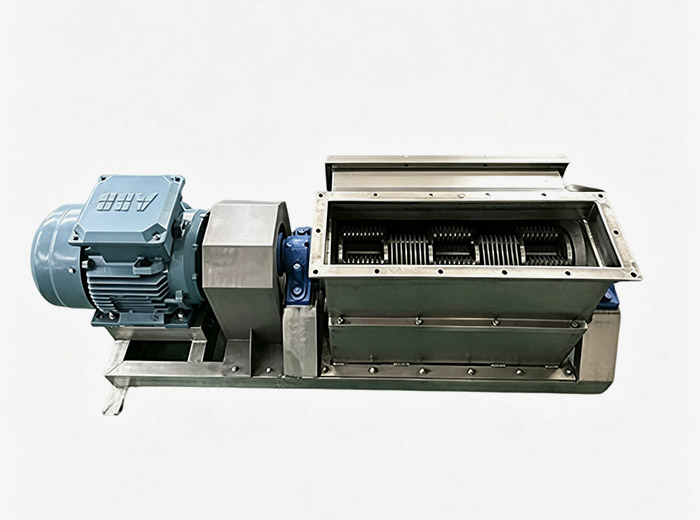
| 04 Crushing | Crusher | Breaks the fruit; the Italian-design crusher raises extraction rate by 2–3% over traditional structures. |
| 05 Pre-heating | Pre-heater / scalder | Deactivates pectinase to set the viscosity and break profile. |
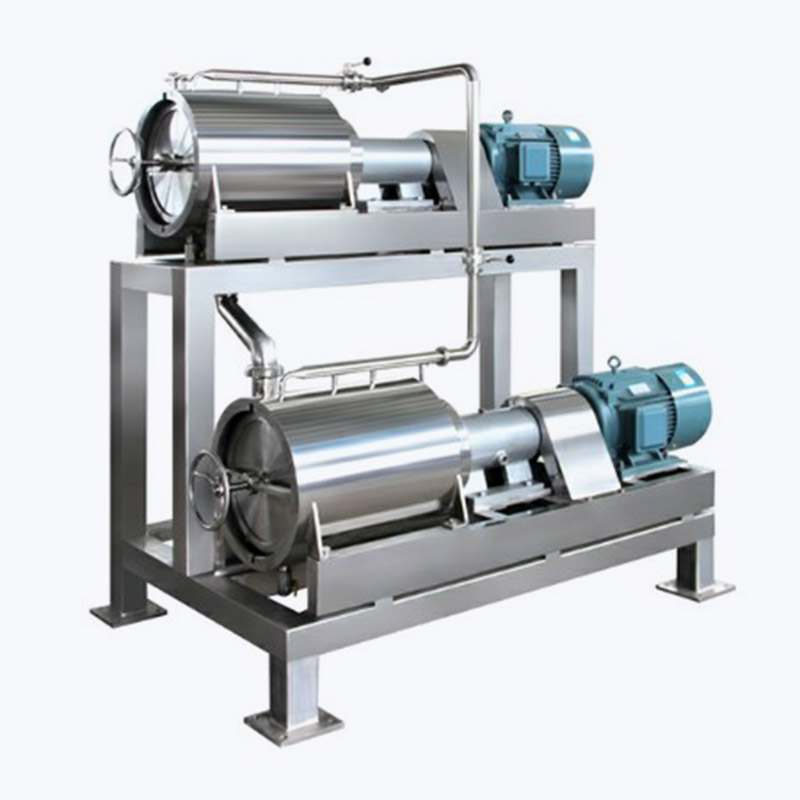
| 06 Pulping | Pulper and finisher | Separates pulp from seed and skin, refining the product before concentration. |
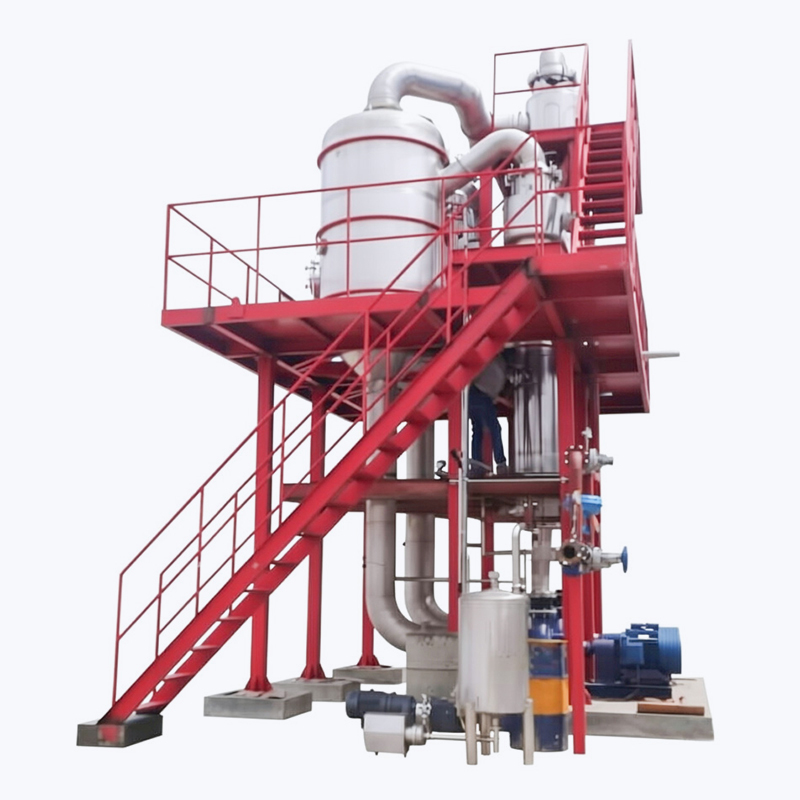
| 07 Concentration | Multi-effect vacuum evaporator | Low-temperature evaporation to the target Brix with minimal colour and nutrient loss. |
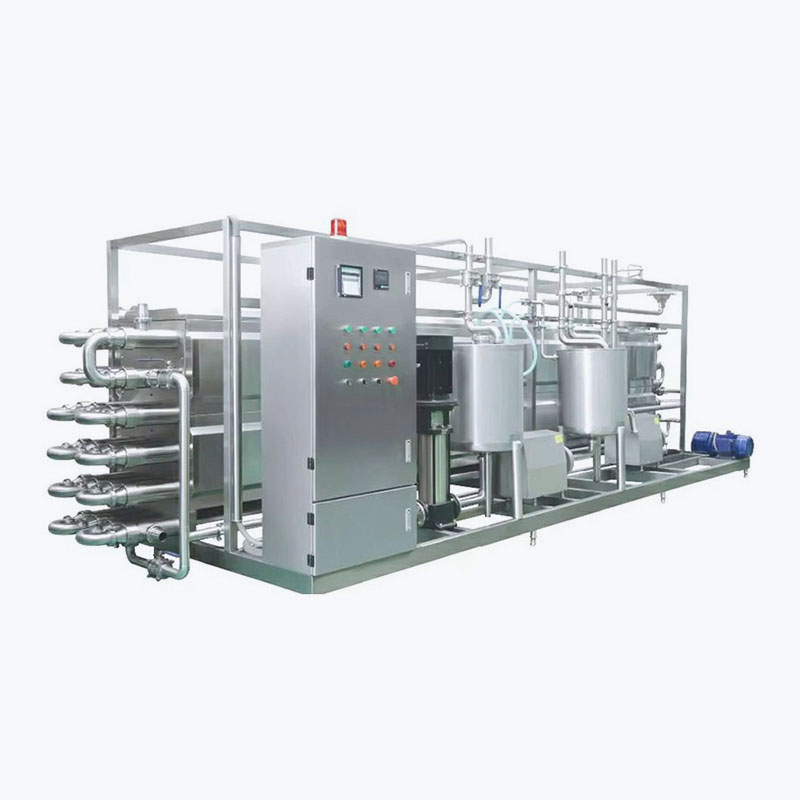
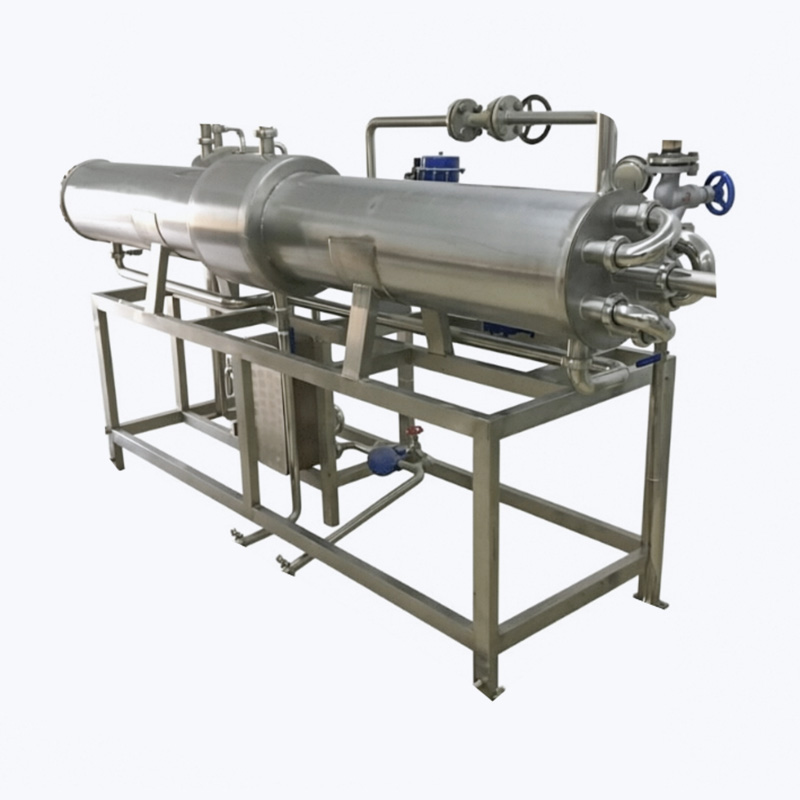
| 08 Sterilization | Tube-in-tube UHT sterilizer | Accurate temperature control for stable viscosity and colour; more than 30% energy saving versus traditional structures. |
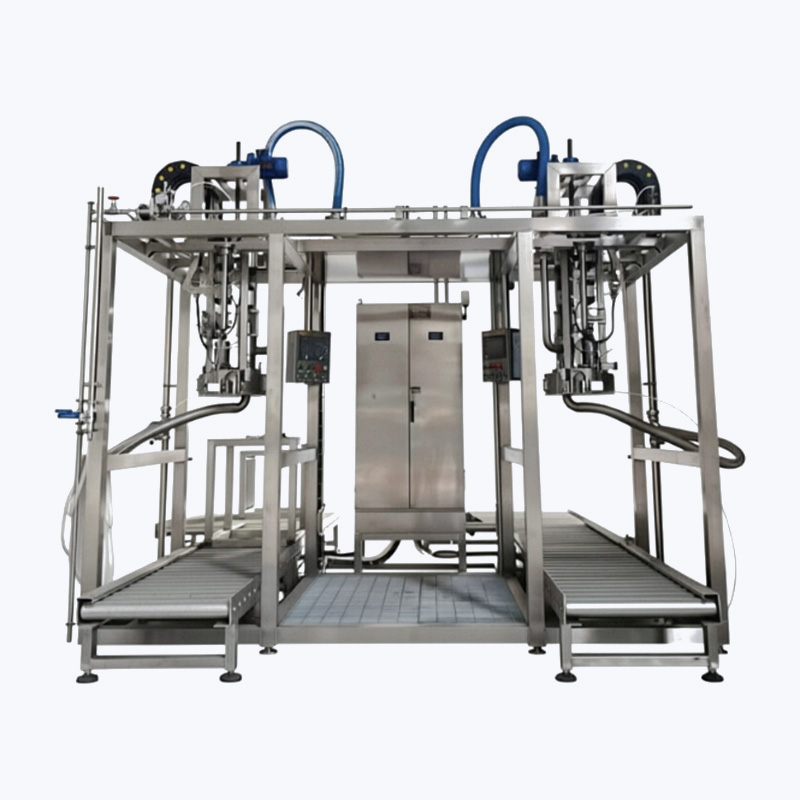
| 09 Filling | Aseptic bag-in-drum filler | Fills sterilized paste into 220 L or 1000 L aseptic bags. |
Plants upgrading or expanding an existing process often look to Tomato Paste Processing Line Suppliers for individual units, so the core units of the tomato line are also supplied as standalone machines. Each is engineered to integrate with the upstream and downstream equipment already on site.
Italian-design crushing geometry that improves extraction yield and prepares a uniform mash for pre-heating.
Screens and refines pulp, with screen selection matched to the product texture and seed/skin load.
Forced external circulation and falling film options for multi-effect concentration at low temperature.
Patented tubular design with precise temperature control and integrated CIP/SIP for aseptic operation.
Bag-in-drum filling for 220 L and 1000 L aseptic bags, synchronized with the sterilizer for CIP/SIP.
Controlled pre-heating that fixes the break type and protects the viscosity target before evaporation.
Where a plant also processes other crops, the same engineering approach is applied to our mango puree processing line and peach, apricot and plum puree line, and multi-fruit combined lines can be designed around the raw material available locally.
Capacity is quoted as fresh tomato input, and the evaporation stage is sized to the water load that must be removed to reach the target Brix. This is why two projects with the same hourly output can require different evaporator areas and different utility demands.
The line runs on a fully automatic PLC control system, with main electrical components from SIEMENS, SCHNEIDER or other reliable international brands. Automation covers the wash and sort feed, crush and pre-heat temperature, evaporator concentration loop, sterilization temperature and aseptic filling sequence.
Control philosophy is kept deliberately simple: operators see the parameters that decide product quality, and maintenance access is designed into the panel and instrument layout. Where a line must connect to an existing plant SCADA or reporting system, the interface scope is agreed during engineering so that signals, alarms and production records match the plant standard.
We configure each line from the product specification backward, following the principle of advanced process flow, simple equipment structure, reliable running and saved energy. The main choices that shape a proposal are listed below.
| Decision | Options We Offer | Effect on the Line |
|---|---|---|
| Break type | Cold-break or hot-break | Sets colour retention versus viscosity and serum separation behaviour. |
| Evaporator type | Forced external circulation or falling film, multi-effect | Matches product viscosity and the required steam economy. |
| Sterilization | Tube-in-tube UHT, tubular pasteurizer | Determines hold time, temperature accuracy and CIP/SIP integration. |
| Filling format | Aseptic BID 220 L / 1000 L, aseptic BIB | Aligns packing with the buyer's container and logistics chain. |
| Raw material scope | Tomato only, or multi-fruit combined line | Extends the operating season and improves equipment utilization. |
We implement full-process quality management across design, fabrication and assembly. Before delivery, every line undergoes complete trial operation and water debugging so that pumps, valves, instruments and the control sequence are proven together rather than machine by machine.
Acceptance is planned with the customer: the test protocol covers run stability, temperature and concentration control, CIP/SIP sequence and aseptic filling integrity. Documentation, spare parts lists and operator training are prepared alongside the equipment so that the plant can take over the line with its own team.
Our engineers provide on-site installation guidance, commissioning and operator training. After commissioning, one or two engineers can remain on site to support the first production run, and annual pre-season visits cover inspection, maintenance and technology upgrades.
A proposal is prepared from the working point of the plant, not from a standard model list. The following inputs let us size the evaporator, sterilizer and filler correctly and give a realistic budget and utility plan.
We build full lines from 0.5 to 75 t/h of fresh tomato input, with project scales covering pilot units of 50–200 kg/h, mini lines of 200–1000 kg/h, medium plants of 1–5 t/h and large industrial lines of 5–50 t/h.
Yes. The pre-heating stage and the evaporator configuration are set to support cold-break, hot-break and different Brix products according to the customer's requirement, and the changeover procedure is covered in operator training.
The tube-in-tube sterilizer and aseptic bag filler share a synchronized CIP and SIP sequence, so cleaning and sterilization are carried out together before production and between runs. This protects the aseptic condition from the sterilizer outlet to the filled bag.
The standard format is aseptic bag-in-drum in 220 L or 1000 L bags. Aseptic bag-in-box filling is also available from our filling range, and the choice is fixed during configuration based on the container and logistics plan.
The process platform handles strawberry, blueberry, raspberry, mulberry and chilli pastes, and we design multi-fruit combined lines around the raw material available locally to maximize equipment utilization across the year.
Our engineers guide installation and commissioning on site, train the customer's operators, and can remain on site with one or two engineers to assist initial production. Annual pre-season visits then cover inspection, maintenance and technology upgrades.

Copyright © Sunshine Machinery (Shanghai) Co., Ltd. All Rights Reserved Tomato Paste Processing Line Suppliers
