


 English
 русский
 Español
 عربى
 Français

2014
Establishment time
Introduction of Our Orange Juice Processing Line:
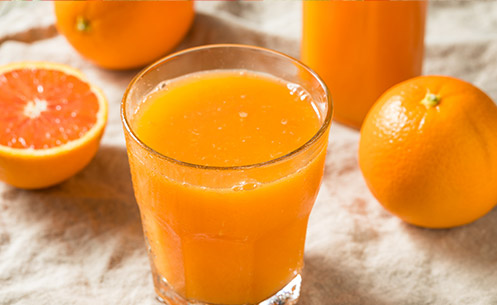
Our orange juice production line is a highly automated, integrated processing system designed to transform fresh oranges into high-quality juice, concentrate, or NFC (Not From Concentrate) ,essential oil products. Modern production lines are engineered to maximize yield, preserve natural flavors.
Core Processing Workflow
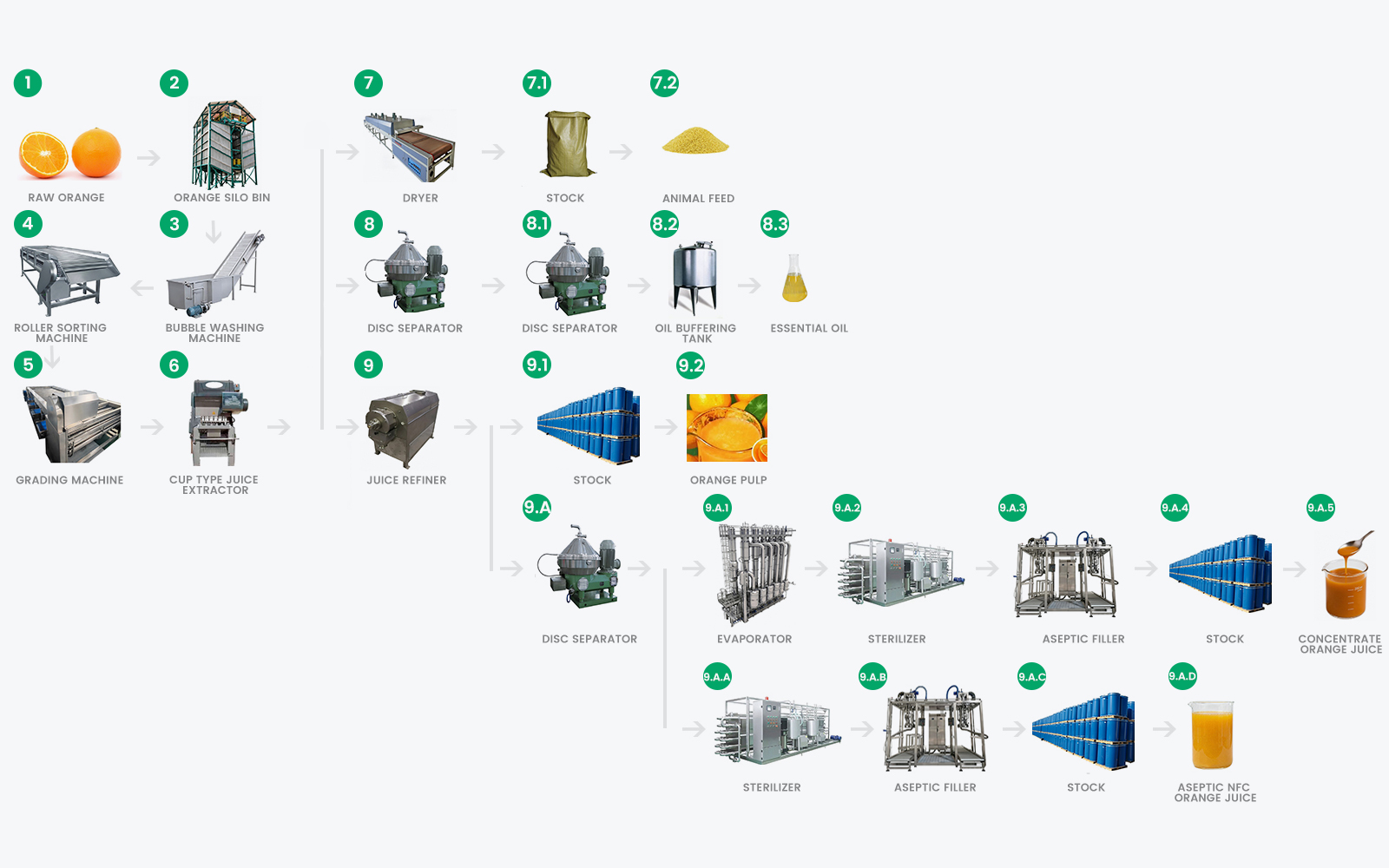
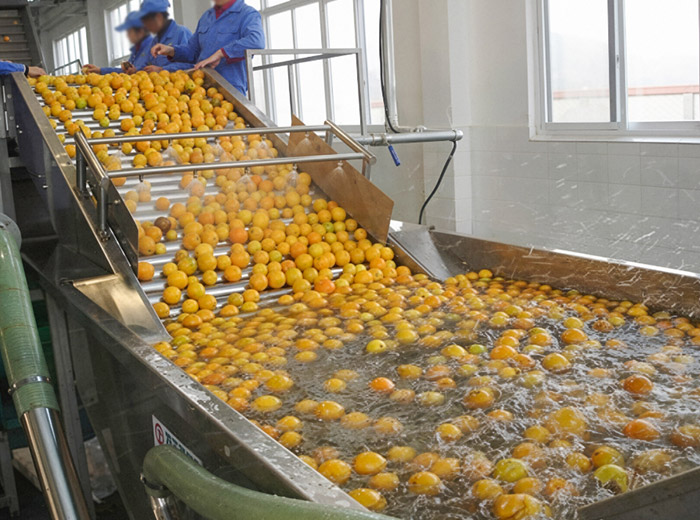
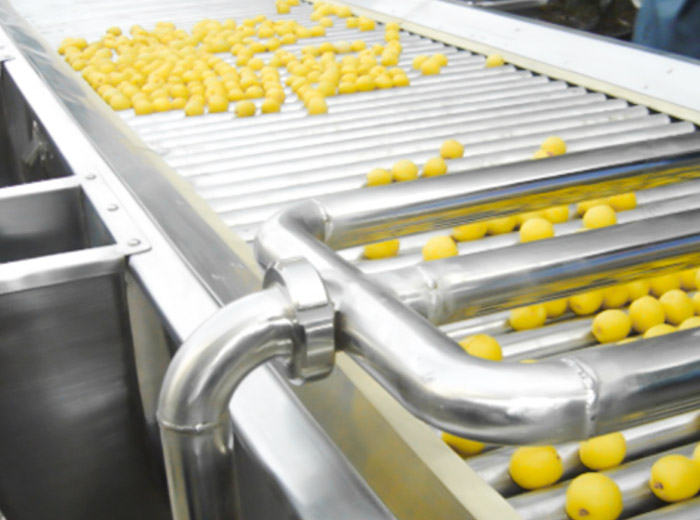
1. Raw Material Pre-treatment: Fresh oranges undergo thorough washing, sorting to remove impurities and unqualified fruits.
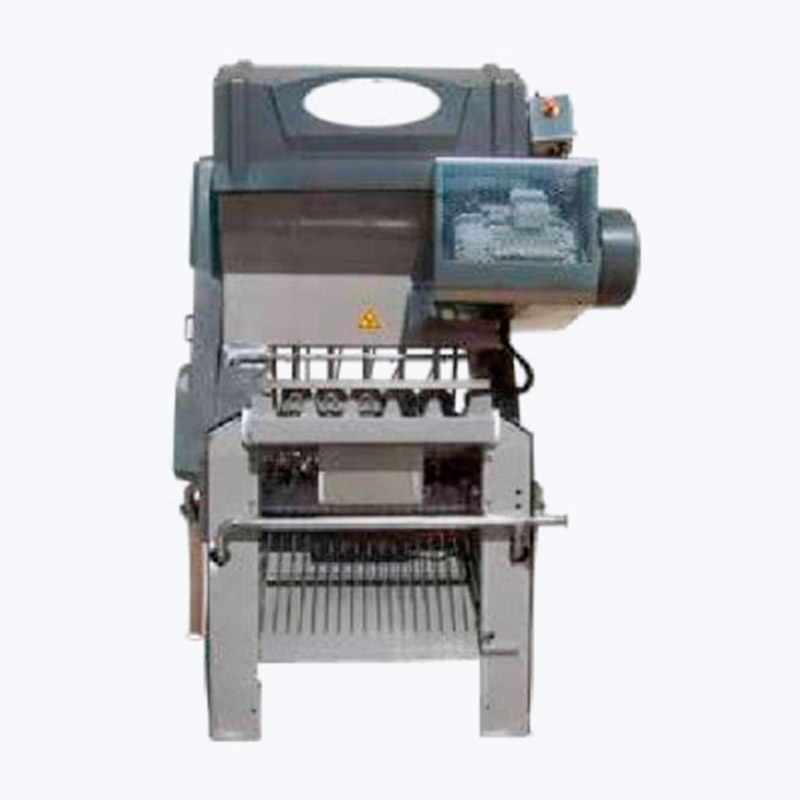
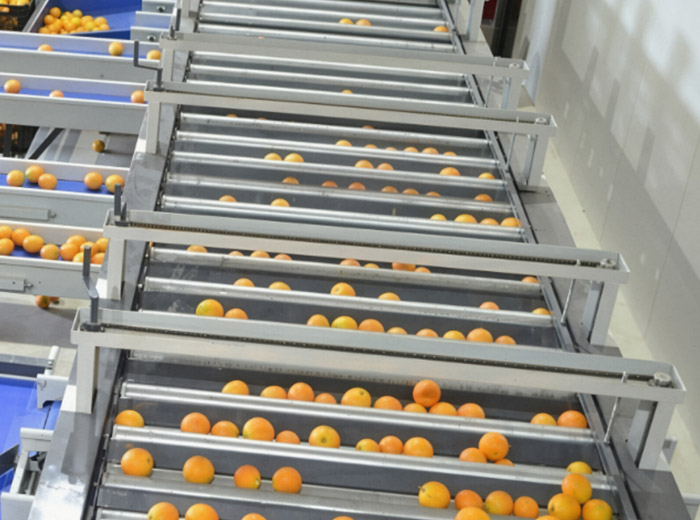
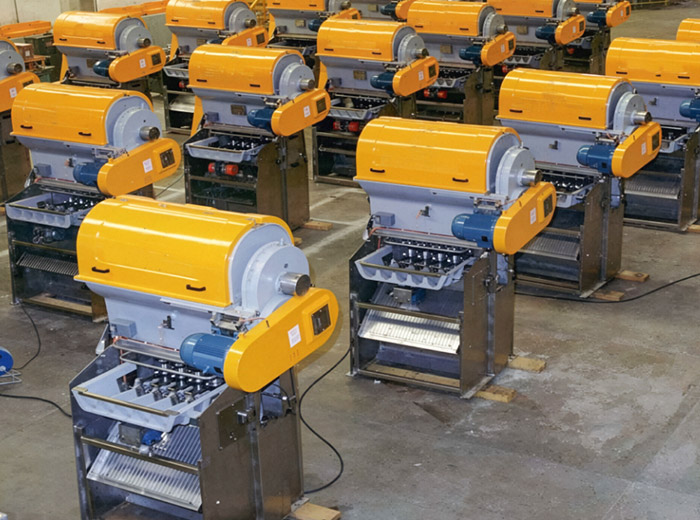
2. Oil Extraction & Juicing: After sorting,the orange going into grading machine and then go to cup extractors, the cup extractor will separate orange into three part (essential oil mixed with water, peels&seeds,juice&pulp) .
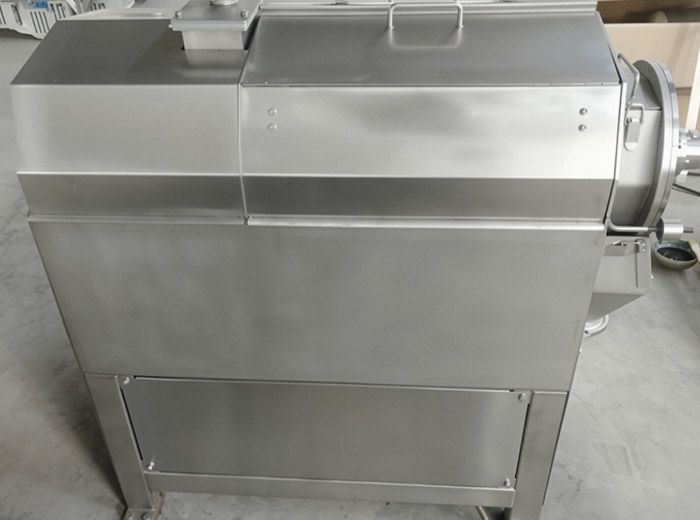
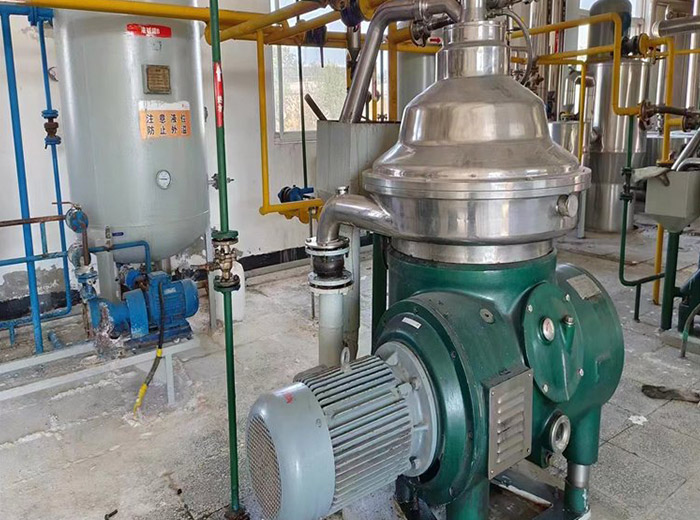
3. Refining & Separation: The extracted juice will go to finishing machines and then disc stack separator . meanwhile the essential oil that mixed with water will go to 2 set of disc stack separator to got essential oil.
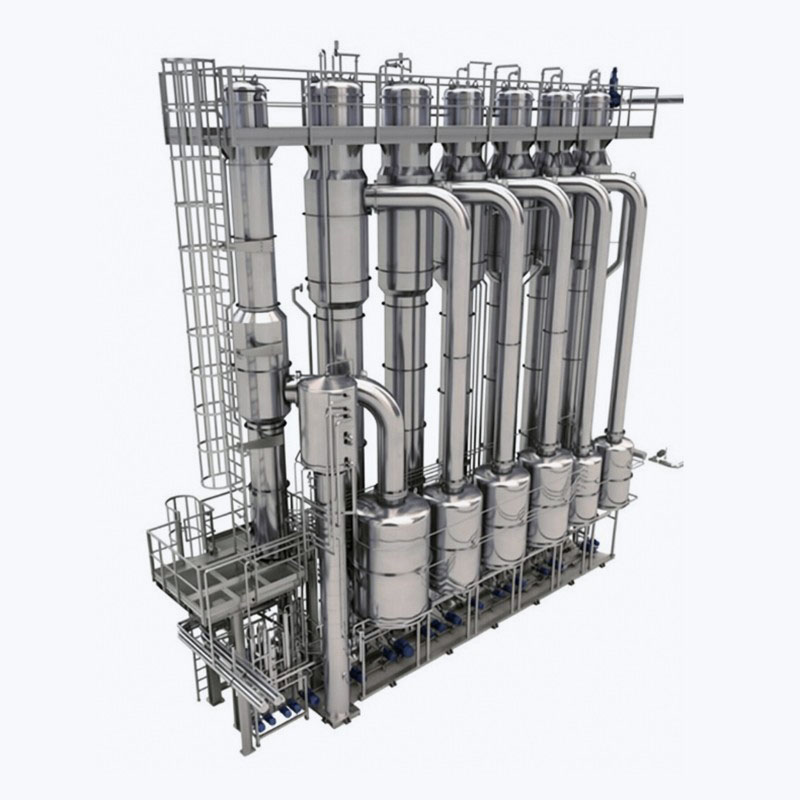
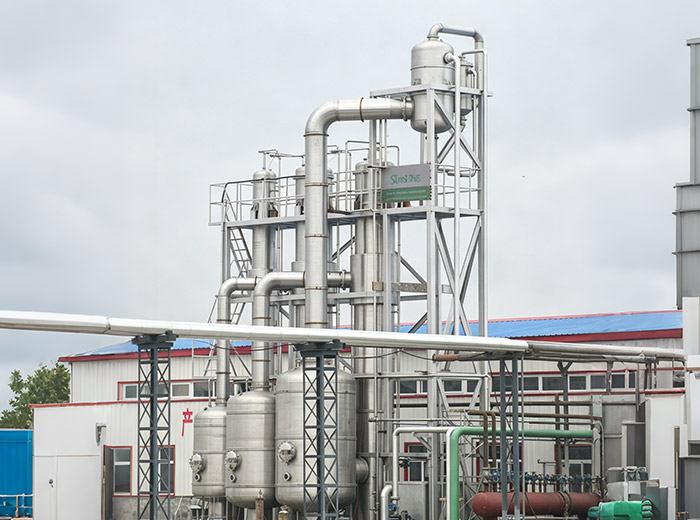
4. Concentration: After disc stack separator ,the juice going to vacuum evaporator to gently remove water at low temperatures to retain the original flavor and nutrients.
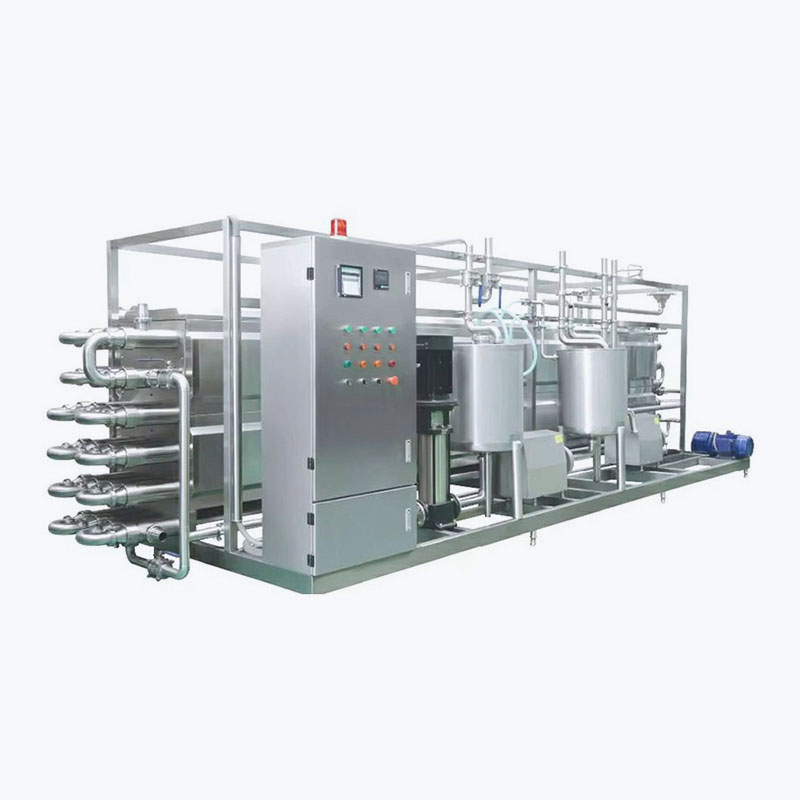
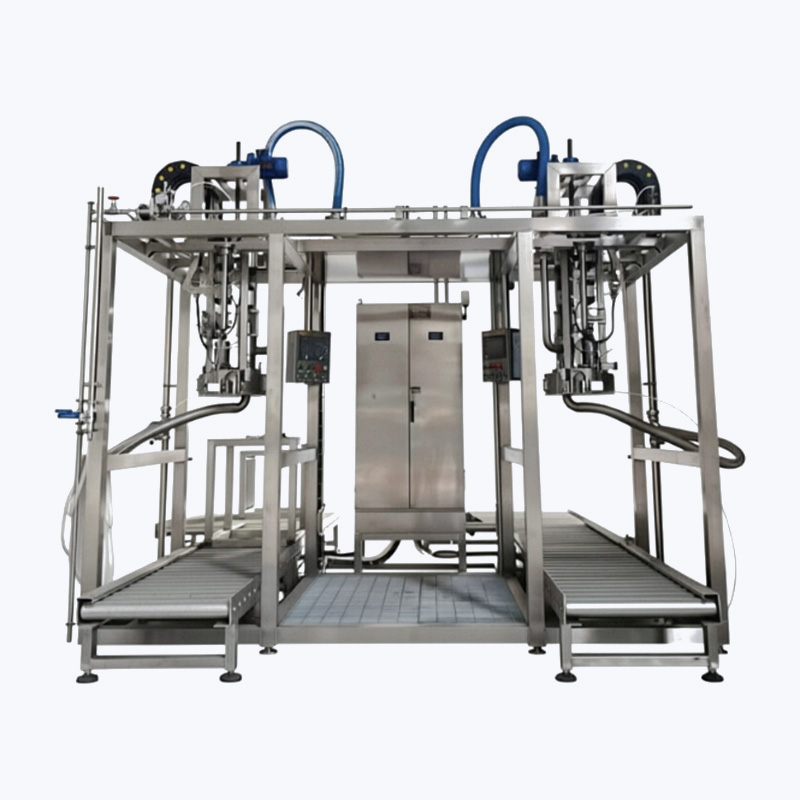
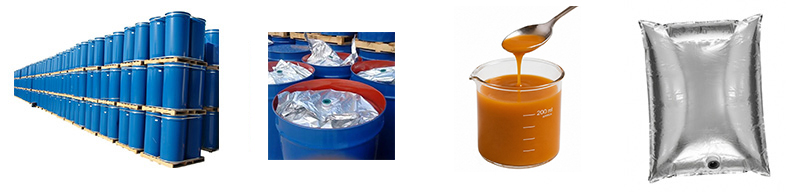
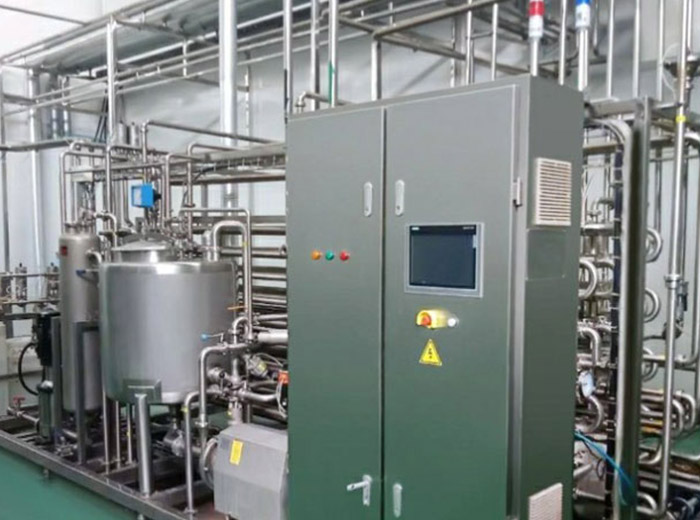
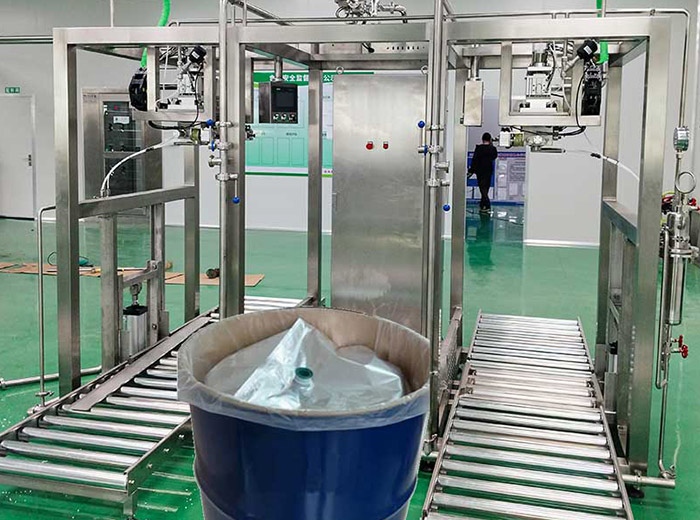
5. Sterilizing & Filling: and after the evaporator,the concentrated orange juice will going to sterilizer , and after sterilization , the juice will be filled into aseptic bag by aseptic filler.

| ITEM | SPECIFICATION |
| Major material | Fresh fruit (orange/tangerine/lemon/lime/grapefruit) |
| Minor ingredient | None |
| Final product | 1- Concentrated juice (FCOJ) |
| 2- Not from concentrate juice (NFC) | |
| Final product package | 1- Concentrated juice (FCOJ)------Aseptic Bag |
| 2- Not from concentrate juice (NFC)-------Aseptic Bag or other small packages (Gable top pack, Tetra pack, Glass Bottle) | |
| Process capacity | 2~25tons/hour fresh fruit input |
| Budget | 250,000~3,000,000USD |
| Main characters | 1- To build first class modernized plant by incorporating foreign advanced technologies and first class juice extractor similar as FMC structure. |
| 2- The cup type juice extractor with similar FMC structure & technology can extract the juice at a highest efficiency, meanwhile the peel oil shall not enter the juice, then no bitterness in the juice and the natural flavor retained. | |
| 3- The T.A.S.T.E. multi-effect falling film vacuum evaporator with aroma recovering system can concentrate the juice under very low temp & short time, which can retain the natural flavor, color and nutrients. As well, it is energy-saved due to multi-effects and the special flashing structure. | |
| 4- The juice is clarified and the peel oil is purified efficientlyby the disc centrifugal separator from Germany WESTFALIA with high rotating speed and high separating factors. | |
| 5- The UHT sterilizer and aseptic bag filler is incorporatedItalian technologies and improved based on our rich experience, whichcan retain the fruits’ nature color, flavor and nutrition at the maximum. As well, our patented technology (the heat regeneration by the cold and hot product’s exchange) for sterilizer can save the energy over 30% than traditional. | |
| 6- The design of the process flow and the piping consider to retain the original natural flavor, aroma, color and nutrient at the maximum. For example, all the temp rising or dropping are finished in a very short time and short distance to avoid the flavor’s escaping or disruption during the heat treatment. | |
| 7- The optimal proposal is designed and customized upon the client’s project specified requirements and actual conditions based on the principle of “advanced process flow, simple structure equipment, reliable running and energy saved”. | |
| 8- The PLC control system and main electric components from SIEMENS, SCHNEIDER or other reliable international brand to ensure the reliable and high auto running. |
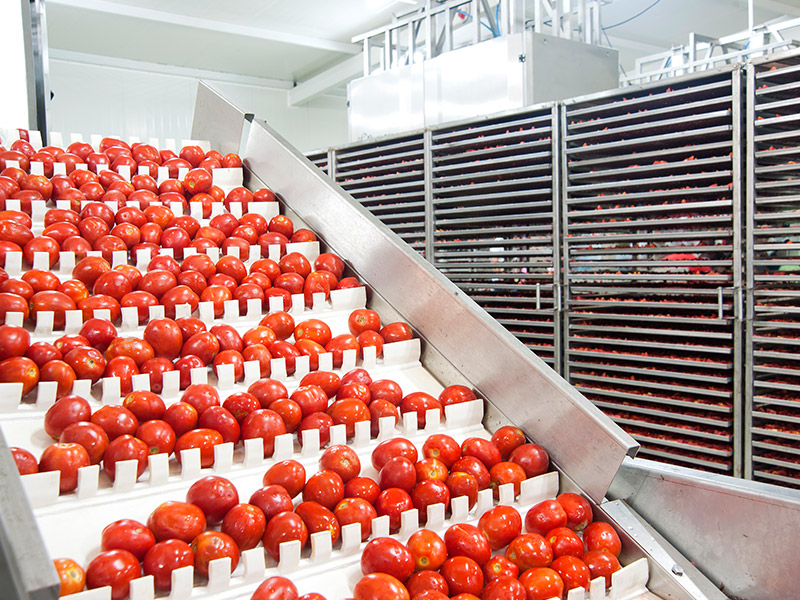

 Germany
 Tomato Juice Project
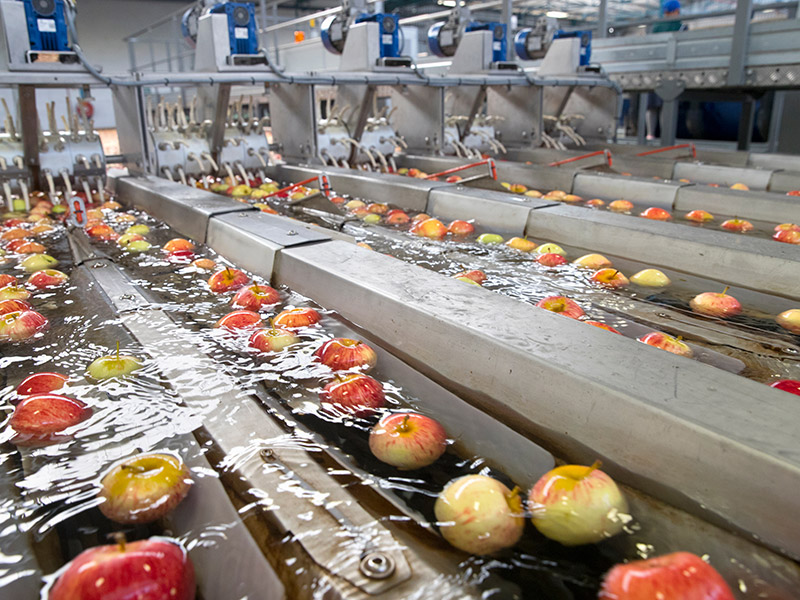
Germany
Apple Juice Project
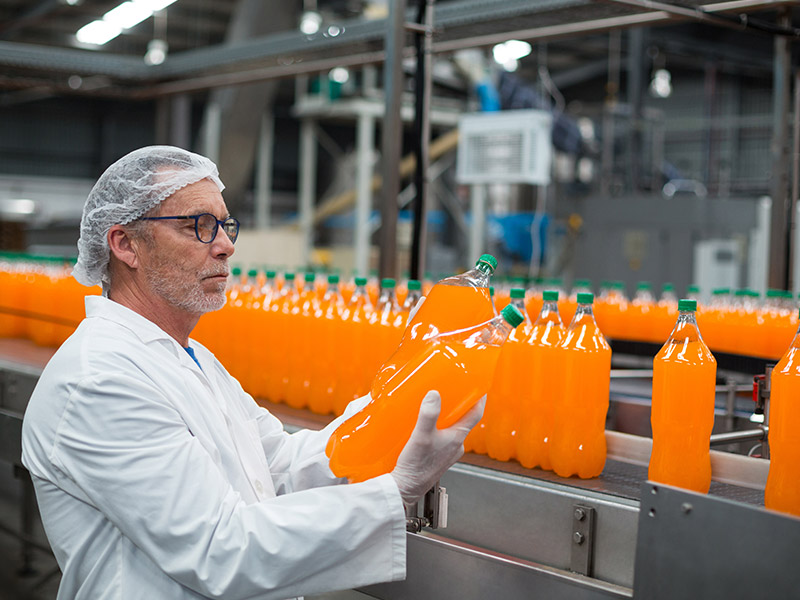

America
Orange Juice Project
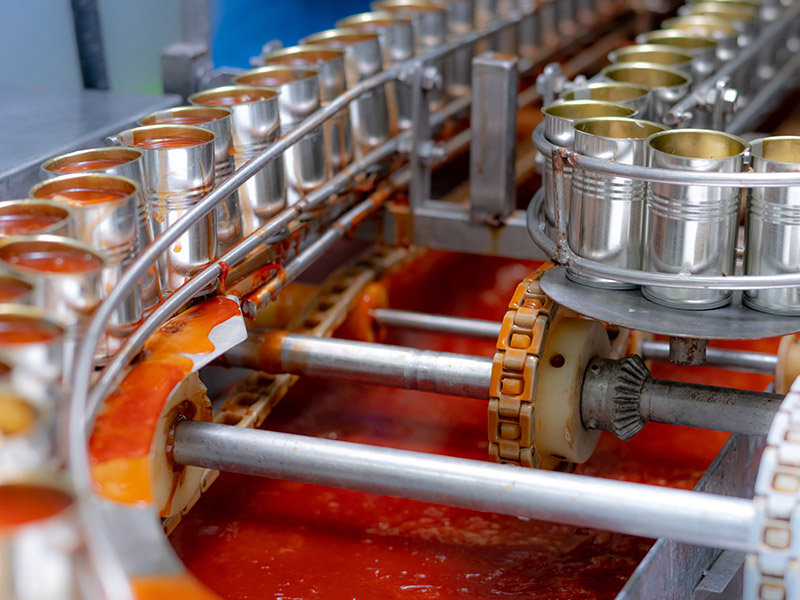
America
Tomato Sauce Project
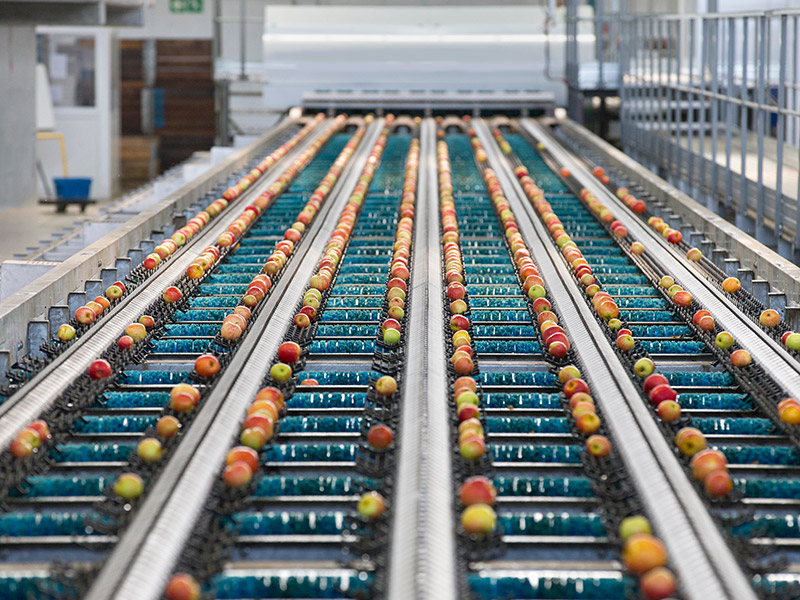

Italy
Apple Juice Project
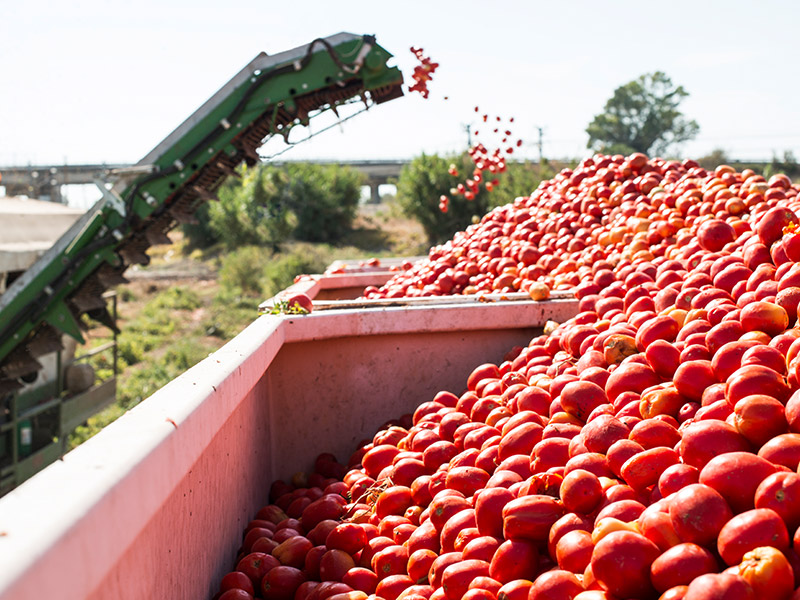
Italy
Tomato Juice Project
Through common questions, you can better understand the company's products, as well as the solutions to issues related to production and after-sales service.
Contact Us
About Us
Establishment time
Number of employees
Company area
Exporting country



Sunshine Machinery (Shanghai) Co., Ltd. is an Orange Juice Processing Line Factory that designs, manufactures and commissions complete systems taking fresh citrus from receiving through washing, sorting, grading, cup extraction, refining, separation, concentration, sterilization and aseptic filling. The line is configured for two commercial outputs: frozen concentrated orange juice (FCOJ) and not-from-concentrate (NFC) juice, with peel oil recovered as a separate by-product stream.
Our range covers fresh-fruit inputs from 2 to 25 t/h, with project scales from pilot and laboratory units up to large industrial plants. Each proposal is built around the fruit variety, the finished product specification and the packaging format, not around a fixed catalogue model.
The line is an integrated, PLC-controlled processing system rather than a set of independent machines. Fruit enters as raw oranges, tangerines, lemons, limes or grapefruit and leaves as clarified or pulpy juice, concentrate, NFC juice and recovered essential oil. Because the cup extractor separates peel, seeds and juice in one operation, peel oil does not enter the juice stream, which keeps bitterness low and preserves the natural flavour profile.
The sequence below is the standard configuration we build for citrus. Stages can be omitted or duplicated depending on whether the target is clear concentrate, cloudy NFC juice or a combined plant producing both.
| Stage | Equipment | Function |
|---|---|---|
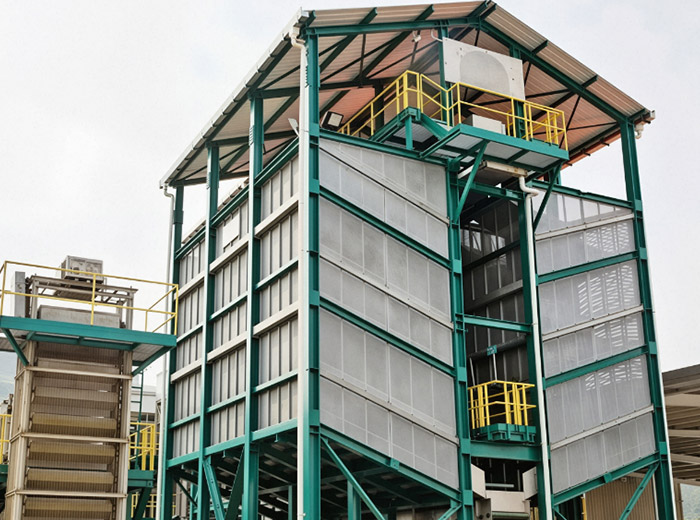
| Receiving | Orange silo bin | Buffers incoming fruit and stabilises feed to the washing stage. |
| Cleaning | Bubble washing machine | Removes soil, surface residues and field debris before extraction. |
| Inspection | Roller sorting machine | Manual removal of rotten and defective fruit on the roller table. |
| Sizing | Grading machine | Grades fruit by diameter so each size reaches a matching extractor cup. |
| Extraction | Cup type juice extractor | Splits fruit into juice and pulp, peel and seeds, and oil-water emulsion. |
| Refining | Juice refiner | Removes excess pulp and coarse solids to the target pulp level. |
| Separation | Disc separator | Clarifies juice; a second separator train purifies the peel oil emulsion. |
| Concentration | Multi-effect falling film vacuum evaporator | Removes water at low temperature with aroma recovery for FCOJ. |
| Sterilization | Tube-in-tube UHT sterilizer | Heat treatment with heat regeneration between cold and hot product. |
| Filling | Aseptic BIB or BID filler | Fills sterilized juice or concentrate into aseptic bags or drums. |
Each core machine is also supplied as a standalone unit, which suits processors who are expanding an existing plant or replacing a single bottleneck. The Orange/Citrus Juice Extractor uses an FMC-style cup structure so that juice is released without pressing oil from the peel into the stream. Downstream, the Falling Film Vacuum Evaporator handles concentration, and the Tube in Tube Sterilizer performs the final heat treatment before aseptic filling.
Cup extractors matched to graded fruit sizes; peel, seed and juice streams separated at source.
High-speed disc separators for clear juice and for peel oil purification.
Multi-effect evaporation with aroma recovery and low thermal load.
BIB and BID formats for concentrate and NFC juice, with aseptic bag handling.
Capacity is quoted on fresh fruit input, because that is the figure that determines receiving, washing and extraction sizing. Juice yield, Brix and pulp level then follow from the fruit and the product route. That is why buyers who approach Customized Orange Juice Production Line Manufacturers receive a layout built on their own operating point rather than a catalogue model. The table below summarises the parameters we confirm before issuing it.
| Parameter | Range / Options | Why It Matters |
|---|---|---|
| Raw material | Orange, tangerine, lemon, lime, grapefruit | Fruit size and peel thickness set cup geometry and extraction pressure. |
| Fresh fruit capacity | 2–25 t/h | Drives washer, grader and extractor count. |
| Final product | FCOJ concentrate; NFC juice | Determines whether the evaporator is in circuit. |
| Packaging | Aseptic bag; gable top; Tetra Pak; glass bottle | Sets the filler type and downstream handling. |
| Control system | PLC with SIEMENS / SCHNEIDER components | Supports automatic running and line interlocks. |
| Project scale | Lab, pilot, mini, medium, large industrial | Allows staged investment and later expansion. |
Citrus lines sit alongside our other fruit and vegetable lines, and the same engineering logic carries across them. Processors who also handle Tomato Paste Processing Line or Mango Puree Processing Line production often share evaporation, sterilization and aseptic filling capacity across seasons, which improves utilisation of the most capital-intensive equipment.
Our design principle is that equipment serves the process and the process serves the finished product. Piping and process flow are laid out so that temperature rises and drops happen over short distances and short times, limiting aroma loss during heat treatment. The sterilizer uses heat regeneration between incoming cold product and outgoing hot product, which reduces steam demand compared with a conventional arrangement.
Before shipment, every machine undergoes a full trial run and water debugging in our workshop so that mechanical and control performance is verified prior to site delivery. Installation and commissioning are carried out on site by our engineers, followed by operator training on running, changeover, cleaning and routine maintenance.
A citrus line is utility-intensive: steam for evaporation and sterilization, chilled water for cooling, compressed air for valves and actuators, and electrical supply for the PLC panel and drives. We issue utility consumption figures with the layout so that building services and boiler capacity can be planned before equipment arrives.
A workable proposal needs the operating point, not just a capacity figure. The items below let us size each stage, select the right extractor cups and separator configuration, and prepare a layout that matches the building.
Yes. The extraction, refining and separation stages are common to both products. For FCOJ the clarified juice passes through the multi-effect vacuum evaporator before sterilization; for NFC the evaporator is bypassed and the juice goes directly to UHT treatment and aseptic filling. We configure the valve routes and control sequence so the changeover is a defined procedure rather than a manual re-piping exercise.
Our orange juice lines are quoted from 2 to 25 t/h of fresh fruit input. Across our fruit and vegetable processing range, project scales extend from laboratory and pilot units of 50–200 kg/h through mini lines of 200–1000 kg/h and medium plants of 1–5 t/h up to large industrial installations of 5–50 t/h. The right scale depends on your seasonal fruit volume and how many hours per day the plant will run.
Bitterness in citrus juice comes mainly from peel oil entering the juice stream. Our cup-type extractor separates the fruit into juice and pulp, peel and seeds, and an oil-water emulsion at the point of extraction, so the oil is diverted to its own recovery train instead of contaminating the juice. The emulsion is then purified through disc separators to yield essential oil.
All equipment undergoes a complete trial operation and water debugging in our workshop before shipment, verifying mechanical operation, control logic and interlocks. Site acceptance then follows installation and commissioning, with our engineers present for the first production runs and operator training.
Our engineers can remain on site for initial production after commissioning. We supply spare parts and accessories for the machines in the line, respond to on-site failures with remote diagnosis and repair guidance, and carry out annual pre-season visits for inspection, maintenance and technology upgrades.

Copyright © Sunshine Machinery (Shanghai) Co., Ltd. All Rights Reserved Orange Juice Production Line Suppliers
