


 English
 русский
 Español
 عربى
 Français
How Does an Orange Juice Processing Line Make NFC Juice and Concentrate?
Content
Orange Juice Processing Line: NFC and Concentrate Production
Orange juice is sold in two main forms: not-from-concentrate (NFC) juice, which is simply extracted and pasteurized, and concentrate, from which water is removed to cut storage and shipping cost. Some plants also recover citrus essential oil as a by-product. A modern orange juice processing line is designed to make any of these products with high yield and good flavor retention.
Step 1: Receiving, washing and sorting
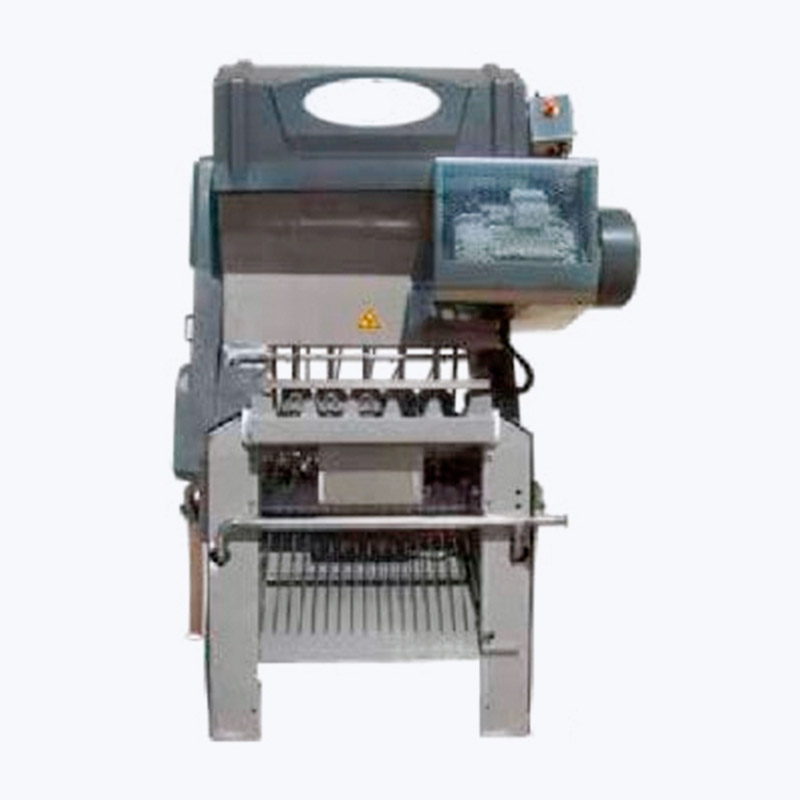
Oranges arrive in bulk and must be washed and inspected before extraction, because any rot or surface contamination affects flavor. A fruit washer, sorter and lifter handles cleaning, manual selection and transfer to the next machine.
Step 2: Juice extraction
Citrus extraction needs a different approach from soft fruit, because bitter compounds in the peel must stay out of the juice. An orange / citrus juice extractor separates juice from peel, seeds and membranes in a single operation. Careful setting of the extractor protects yield and keeps peel oil out of the juice. Finishing and screening then control pulp content to the buyer's specification.
Step 3: Heat treatment
Juice is heated to deactivate enzymes and kill microorganisms, then cooled quickly. A tubular UHT / pasteurizer gives short, controlled heating, which helps keep fresh flavor and vitamin content.
Step 4: Concentration (for concentrate products)
For concentrate, water is removed under vacuum at low temperature. A falling film vacuum evaporator is a common choice for citrus juice because it works gently on heat-sensitive liquids. Plants that need to recover aroma can add an essence recovery step to the evaporator system.
Step 5: Aseptic packing
NFC juice and concentrate are often stored and shipped in sterile bulk bags. An aseptic BIB (bag in box) filler or a BID filler seals the product in packaging that protects it during long-distance transport.
What affects line performance
- Fruit variety and ripeness, which change juice yield and brix.
- Extractor settings, which balance yield against peel oil and bitterness.
- Heat exposure time, which affects flavor and color.
- Cleaning access, since citrus sugars and pulp make fast CIP and easy maintenance important.
The same design approach applies to other fruit, from apple, pear and thorn-pear juice lines to grape juice and wine lines. To discuss capacity, product type and plant layout, please get in touch with Sunshine Machinery.

QUICK LINK
CONTACT US
- ADDRESS : No. 900, Lanfeng Road, Fengxian District, Shanghai, China
- TEL./WHATSAPP : +86 18301859083
- EMAIL : jerry@shsunshineco.com huxg2002@163.com
MOBILE TERMINAL
Copyright © Sunshine Machinery (Shanghai) Co., Ltd. All Rights Reserved OEM Customized Fruit Processing Line Turnkey Solution
