


 English
 русский
 Español
 عربى
 Français
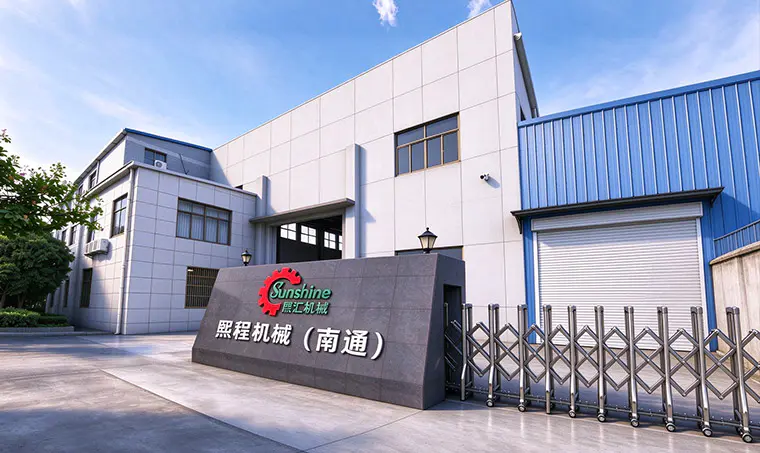
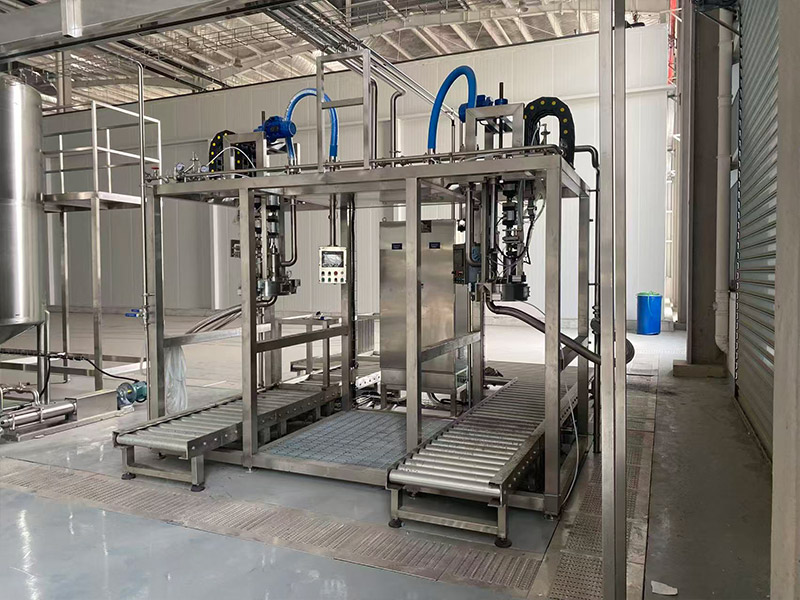
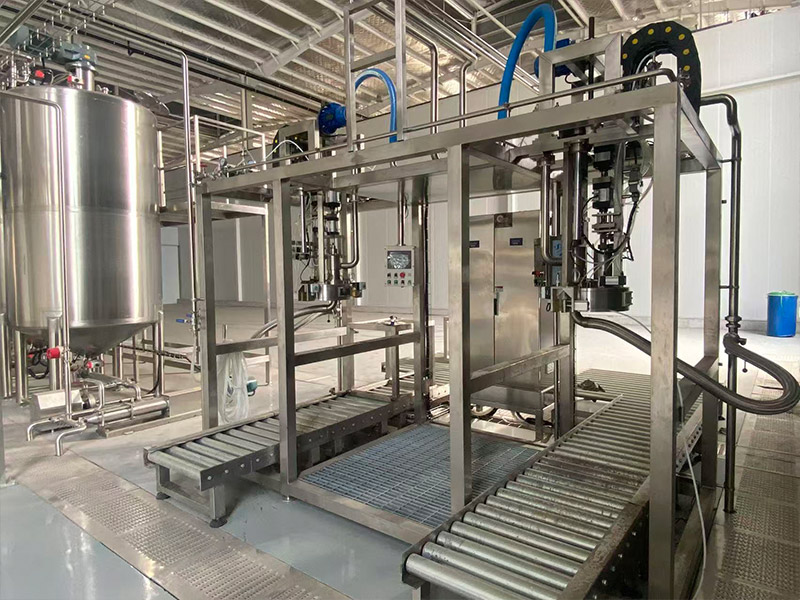
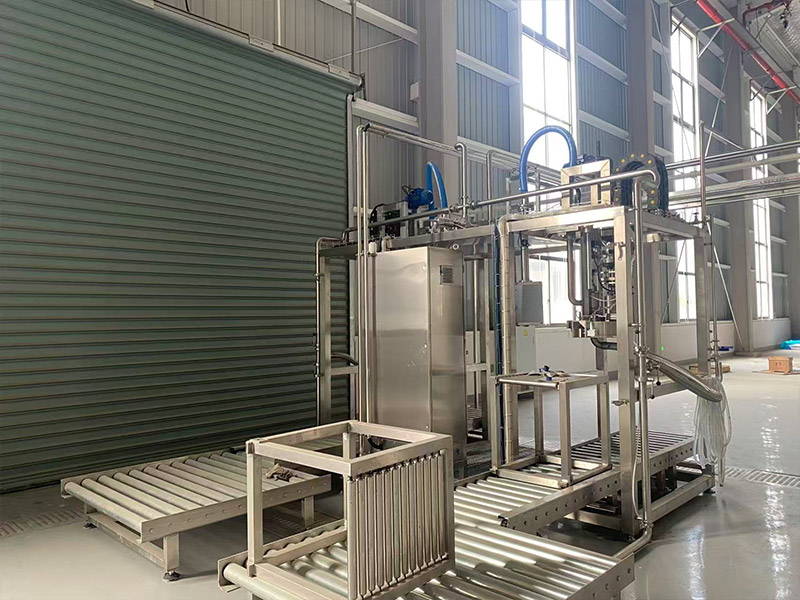
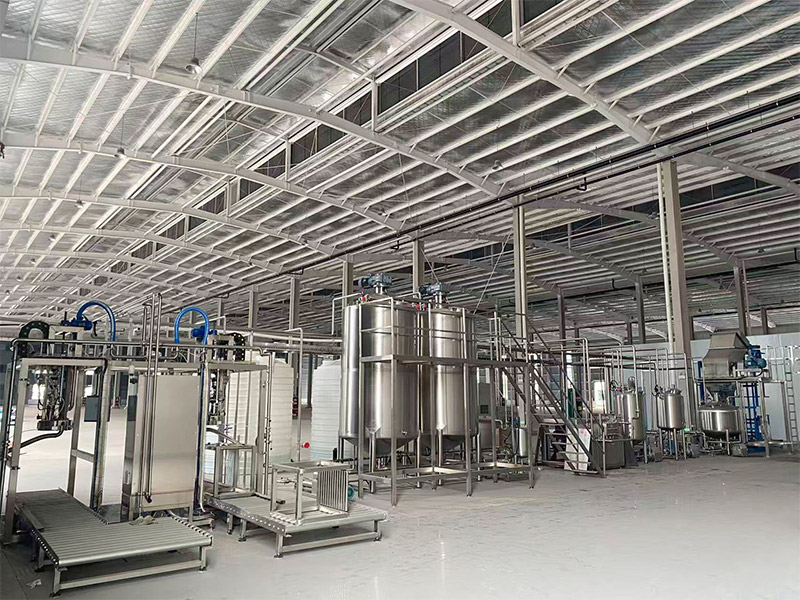
Sunshine Machinery (Shanghai) Co., Ltd. designs and builds Aseptic/Non-aseptic BIB & BID Filling Sys. for fruit and vegetable juice, puree, concentrate, tomato paste, sauces, syrups and dairy liquids. As a China-based manufacturer, we supply the filling head, the aseptic sterilizer that feeds it and the line interface between them, so the bag-in-box and bag-in-drum packaging stage is engineered as one system rather than assembled from unrelated machines.
Our range covers aseptic BIB fillers, aseptic BID fillers, a semi-automatic non-aseptic BIB & BID filler and the aseptic tube-in-tube sterilizer that completes the aseptic chain. Each unit is configured around the product, the bag format, the required output and the utilities available on site.
Where Our Filling Range Fits in the Process
As a Aseptic/Non-aseptic BIB & BID Filling Sys. manufacturer, we match product configuration to the application, operating limits, interfaces and acceptance criteria defined for each project.
Filling is the last controlled step before storage and transport. For aseptic products, the sterilizer and the filler form a continuous barrier: product is heat-treated, held, cooled to filling temperature and packed into a pre-sterilized bag without re-exposure to the environment. For non-aseptic products, the filler handles pasteurized or preservative-stabilized liquids where shelf life is managed by formulation and cold-chain rather than by an aseptic chamber.
Our range is aimed at processors who need bulk packaging in 1–30 L bag-in-box, 5–220 L bag-in-drum or 1000 L aseptic bags, and who want to work with Fruit Juice Filling Machine Manufacturers that can match the filling stage to an existing or new Fruit/Veg. Process Line. The same filling platform is used across tomato, mango, apple, citrus, guava, peach and grape projects.
Our Available Range
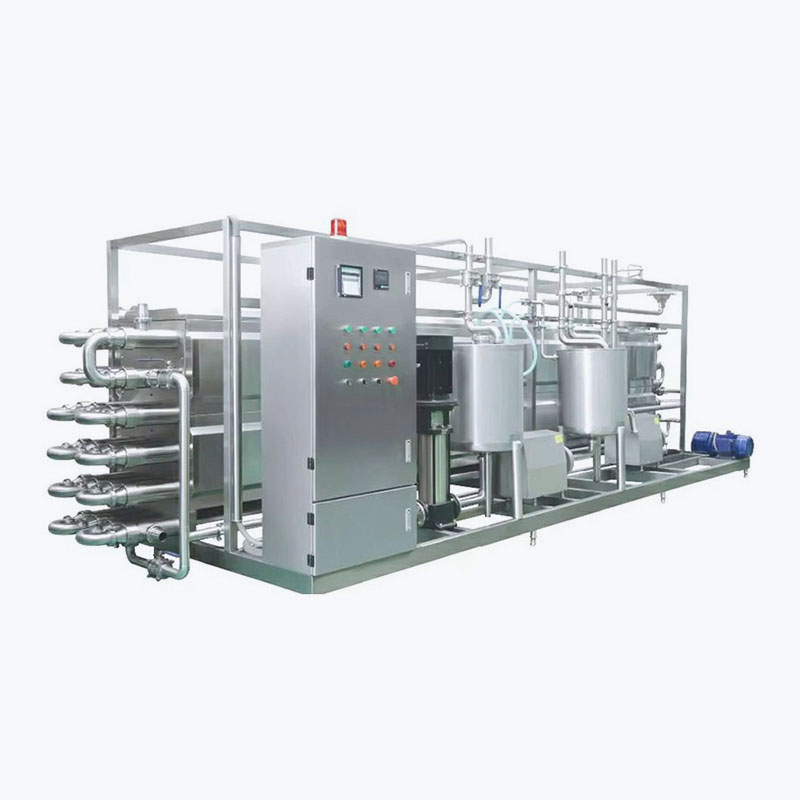
Aseptic Tube in Tube Sterilizer
Four-layer concentric tube-in-tube heat exchanger with heating, holding, cooling and product-return stages. Runs with the aseptic filler to form a closed aseptic system for paste, concentrate and pulp-containing products.
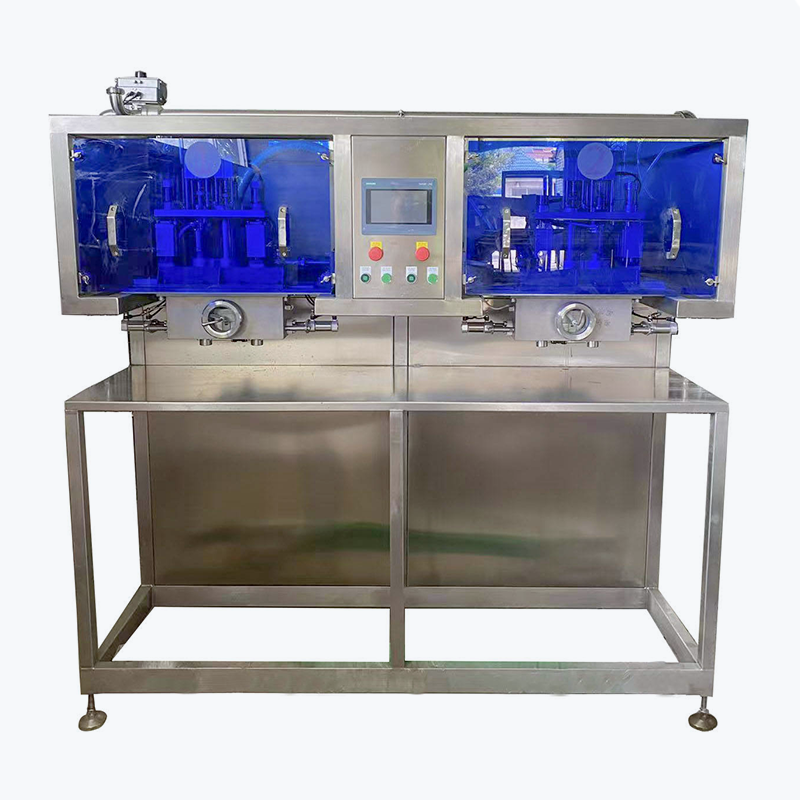
Aseptic BIB (Bag in Box) Filler
Single- and double-head aseptic filling for 1–30 L bags. Steam-sprayed cap and spout sterilization, sterile filling chamber, one-touch lid removal, filling, metering and sealing.
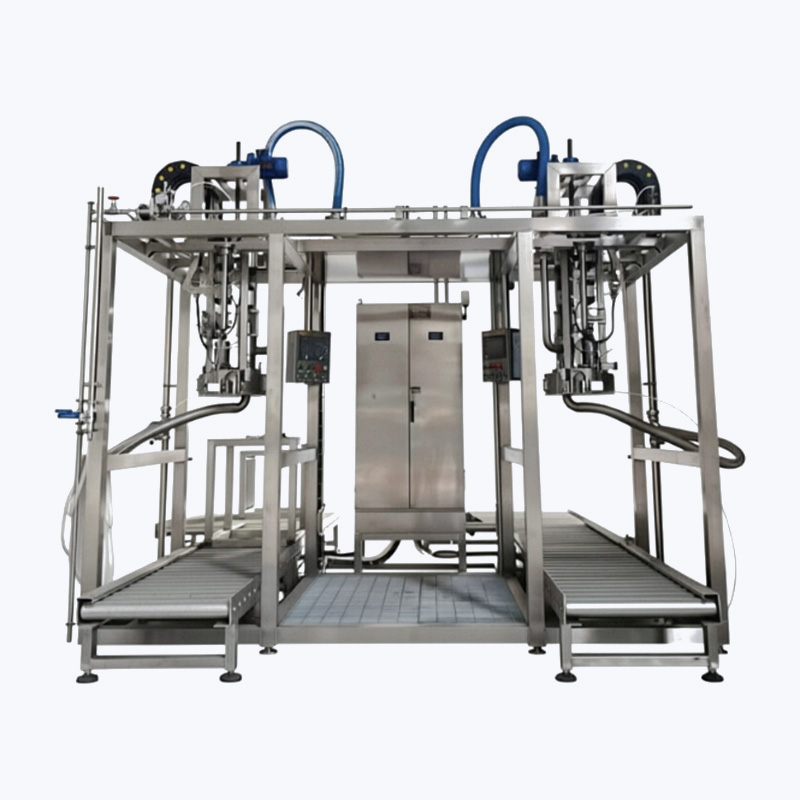
Aseptic BID (Bag in Drum) Filler
For 5–220 L and 1000 L high-barrier or transparent aseptic bags in drums. Volumetric dosing, roller conveyor, PLC control and optional online label printing.
Aseptic BID (Bag in Drum) Filler
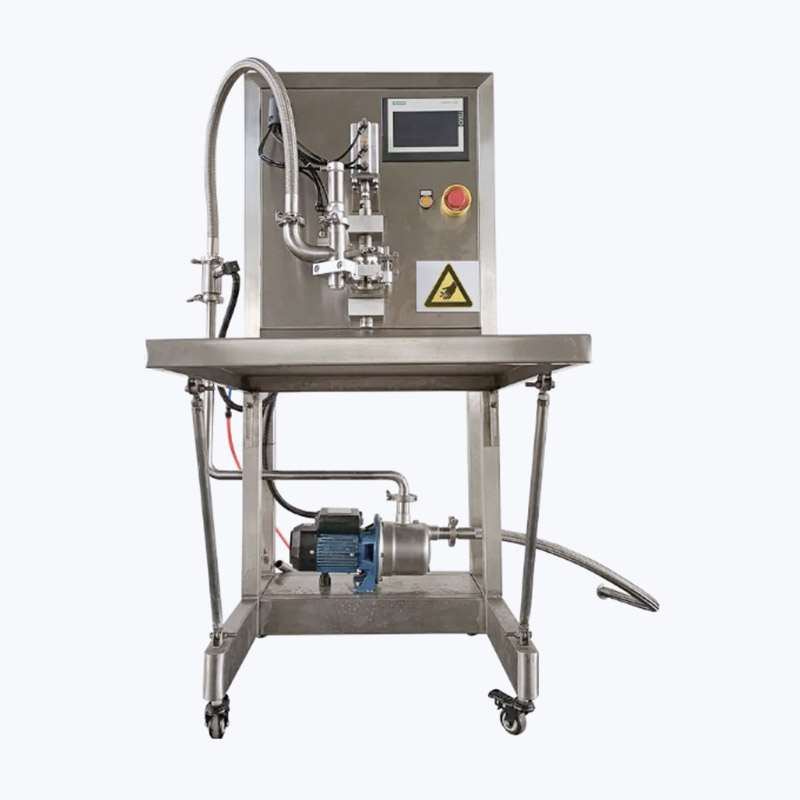
Non-aseptic BIB & BID Filler
Semi-automatic stainless-steel filler for 1–25 L BIB bags and 5–220 L BID bags. PLC control, suitable for juices, milk and oils where aseptic packaging is not required.
Non-aseptic BIB & BID Filler
Product Range and Application Matching
| Equipment | Typical Products | Pack Format | Output Reference |
|---|---|---|---|
| Aseptic Tube in Tube Sterilizer | Tomato paste, mango/banana puree, peach/apricot paste, strawberry jam, chilli paste, juice concentrate, pulp-containing juice, syrup, dairy | Feeds aseptic filler | 1–10 t/h (STIT-1000 to STIT-10000) |
| Aseptic BIB Filler | Fruit paste, juice concentrate, pulp/granule products, syrup, dairy | 1–30 L bag-in-box | Up to 250 bags/h single head, 450 bags/h double head (1 L) |
| Aseptic BID Filler | Fruit paste, concentrate, pulp-containing products, syrup, dairy | 5–220 L and 1000 L bag-in-drum | Up to 3000 L/h single head, 6000 L/h double head |
| Non-aseptic BIB & BID Filler | Juices, milk, oils and other liquids not requiring aseptic packaging | 1–25 L BIB, 5–220 L BID | Semi-automatic, PLC controlled |
Critical Specifications We Confirm
Filling accuracy is quoted at 99.5% for the aseptic BIB and BID fillers. Sterilizing temperature on the tube-in-tube unit is adjustable from 90 to 125 °C with a holding time of 30–180 s; outlet temperature is normally 25–40 °C on cooling water, or 8–10 °C with chilled water. These are the working points we set against the product's required process, not fixed values applied to every project.
- Bag and spout interface: filling head designed around the customer's spout structure and bag format.
- Utilities: compressed air at ≥0.7 MPa and steam at ≥0.5 MPa for aseptic units, with consumption scaling from single to double head.
- Controls: Siemens PLC and touch screen, Krone or E+H flow meter, Mettler Toledo electronic scale on the BIB filler.
- Sterility chain: CIP and automatic SIP available together with the front UHT sterilizer or aseptic filler.
- Product condition: viscosity, pulp or granule size, acidity and filling temperature determine pump, valve and holding-tube selection.
Configuration and Automation Integration
We configure the filling system around the line interface: the outlet of the sterilizer or pasteurizer, the buffer capacity between process and filling, and the bag-handling method. Single-head units suit lower or more varied output; double-head units raise capacity without changing the bag format. The aseptic BIB filler completes lid removal, filling, metering and sealing in one automatic sequence, with manual buttons as standby, and one operator can run the unit.
The aseptic BID filler adds a volumetric dosing system, roller conveyor and operation platform, with online label printing as an option. Both aseptic fillers use steam spraying to sterilize the cap, spout and filling chamber during operation, and the chamber carries its own condensate collection and discharge. Alarm and diagnosis functions on the sterilizer trigger automatic product return if sterilization is incomplete.
Where the filling stage sits inside a larger project, we coordinate it with the upstream Key Machines and the evaporation or sterilization stages so that flow rate, temperature and pressure match at the battery limits.
Installation, Acceptance and Maintenance
Before delivery, every unit undergoes trial operation and water debugging. Installation and commissioning are supervised on site by our engineers, followed by operator training covering operation, changeover and routine maintenance. Acceptance is based on the agreed filling range, filling precision, bag format and the aseptic or non-aseptic operating mode.
- Plant layout, utility capacity and drainage requirements are reviewed before shipment.
- Spare parts and accessories are supplied to keep production running after handover.
- Remote diagnosis and on-site response support breakdowns; annual pre-season visits cover inspection, maintenance and upgrades.
- Documentation covers operation, maintenance and the aseptic operating sequence.
Information We Use to Configure Your Solution
- Product type, viscosity, pulp or granule content, pH and target filling temperature.
- Bag format: BIB 1–30 L, BID 5–220 L or 1000 L, spout type and bag material.
- Required output in bags per hour or litres per hour, and shift pattern.
- Upstream sterilizer or pasteurizer capacity and the buffer arrangement between process and filling.
- Available compressed air, steam, cooling water and chilled water conditions.
- Site layout, ambient conditions and the intended level of automation.
With these inputs we select the head count, filling range, sterilizer model and control configuration, and prepare a proposal covering equipment scope, utilities, installation and commissioning. The same approach applies whether the filling system is a standalone upgrade or part of a complete Production Line.
Frequently Asked Questions
What is the difference between aseptic BIB and BID filling?
BIB fills 1–30 L bags that are packed in boxes, typically for food-service and retail bulk packs. BID fills 5–220 L or 1000 L bags packed in drums, used for industrial quantities of paste, concentrate and puree. Both can be aseptic when paired with a sterilizer; the non-aseptic version suits products where shelf life is managed without an aseptic chamber.
Can the filler handle products with pulp or granules?
Yes. The aseptic tube-in-tube sterilizer and the fillers are applied to fruit juice and paste with pulp or granules, including tomato, mango, peach, apricot and chilli products. Valve, pump and holding-tube selection is made from the particle size and viscosity you provide.
What filling accuracy and output can we expect?
Aseptic BIB and BID fillers are quoted at 99.5% filling precision. BIB output reaches 250 bags/h on a single head and 450 bags/h on a double head at 1 L; BID output reaches 3000 L/h and 6000 L/h respectively. Actual output depends on bag size, product and upstream supply.
Does the filling system include CIP and SIP?
CIP and automatic SIP are available together with the front UHT aseptic sterilizer or aseptic filler, forming a cleanable and sterilizable chain from heat treatment to filling.
Can you match the filler to our existing sterilizer or bag supplier?
Unlike Juice Filling System Suppliers that provide the filler alone, we design the filling head around the spout structure and bag format you use, and match the line interface to the upstream sterilizer's flow, temperature and pressure. Sharing the bag drawing, spout specification and sterilizer data at the proposal stage keeps the integration straightforward.
What support is provided after commissioning?
Our engineers can remain on site for initial production, and we provide operator training, spare parts, remote diagnosis and annual pre-season inspection visits. Equipment upgrades and modernization are also supported as the line ages.