

 English
 русский
 Español
 عربى
 Français
Grape Juice Production Line Manufacturers
Home / Products / Whole Production Line / Fruit/Veg. Process Line / Grape Juice & Wine Processing Line
Introduction of Our Grape Juice Processing Line:
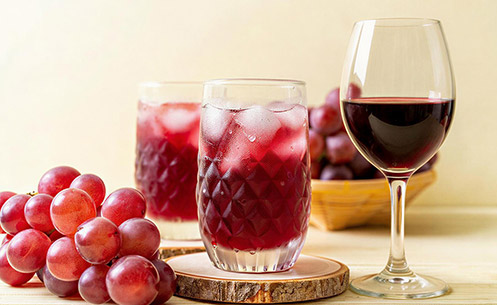
Our grape juice production line is a highly automated, turnkey processing system designed to transform fresh grapes into high-quality juice or concentrated juice. This advanced line integrate state-of-the-art equipment with precise processing technologies to maximize juice yield, preserve natural flavors, and ensure strict food safety standards.
Core Processing Workflow
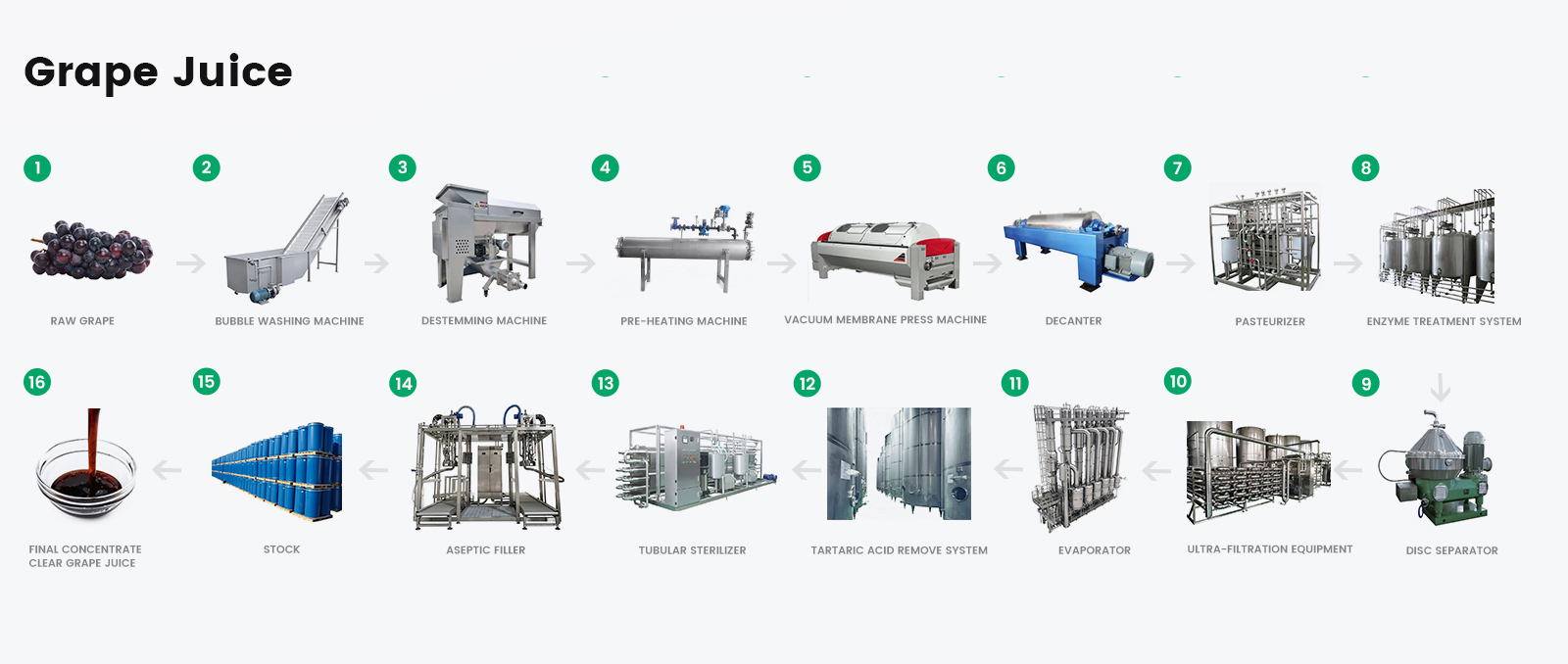
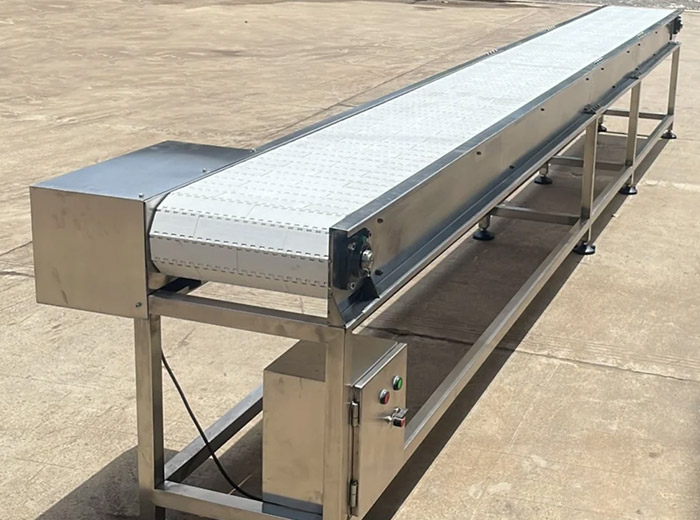
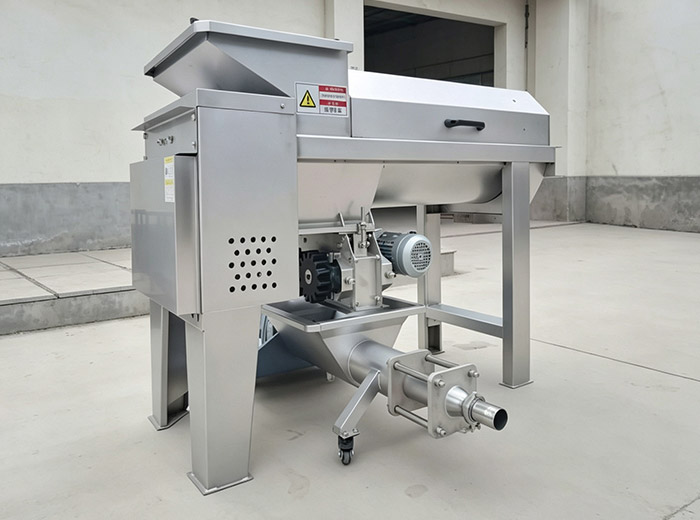
1. Pre-treatment: Fresh grapes undergo washing, sorting, destemming&crushing
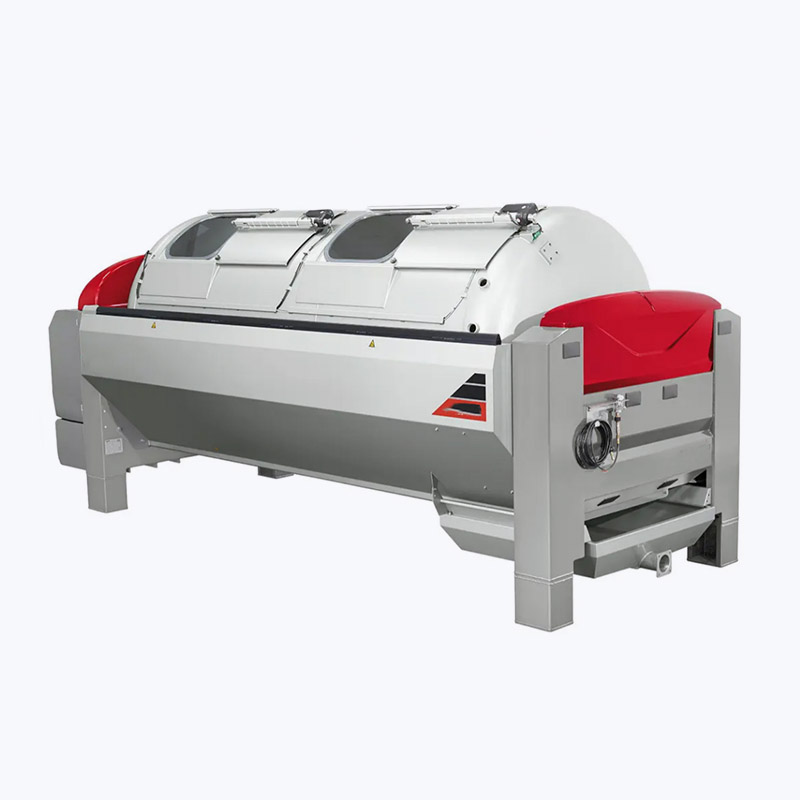
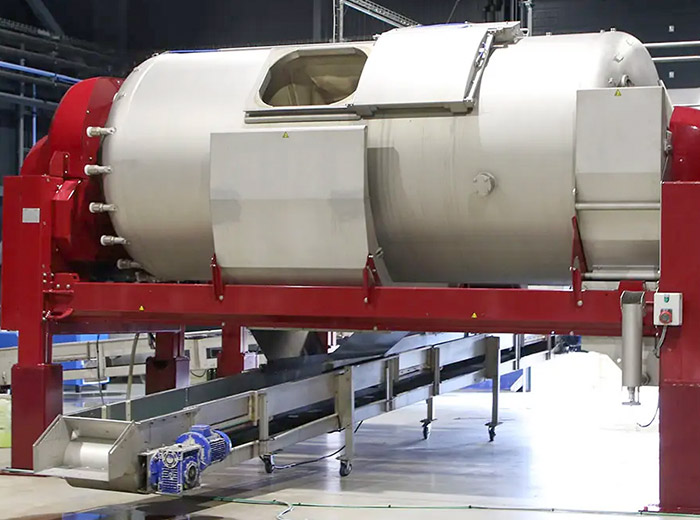
2. Juice Extraction & Clarification: The crushed grapes are use vacuum membrane press machine to extract the juice. Then the juice going to decanter , and then enzymatic treatment and then centrifugal separation to remove suspended solids.Then juice going to ultra-filtration equipment to clarify the juice.
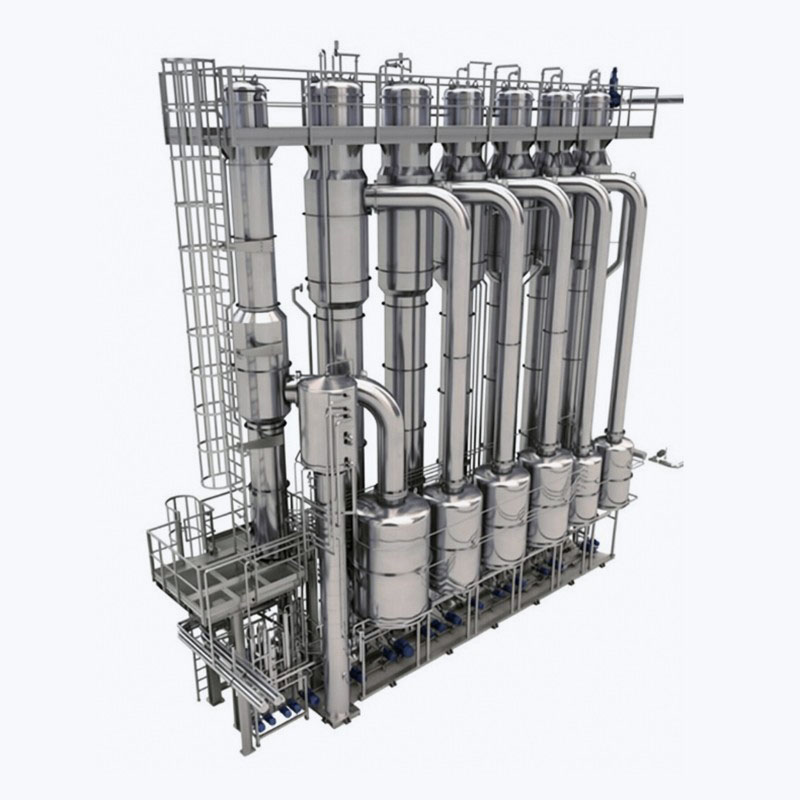
3. Concentration (Optional): For concentrated juice, the clarified liquid passes through vacuum falling film evaporators at low temperatures. This step efficiently removes water while retaining the grape's natural aroma and nutrients, increasing the sugar content (Brix) to the desired level.
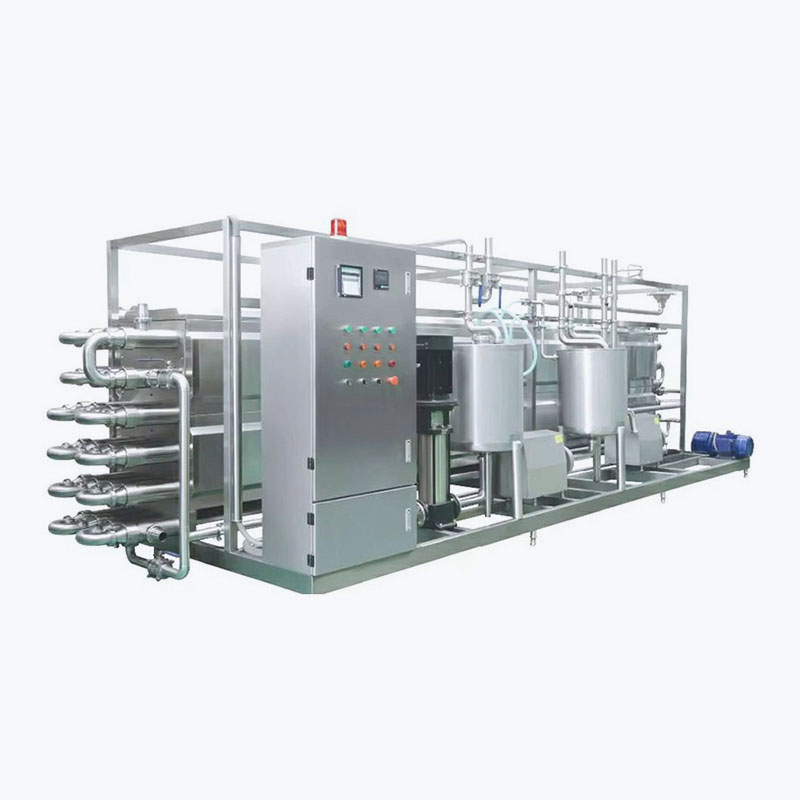
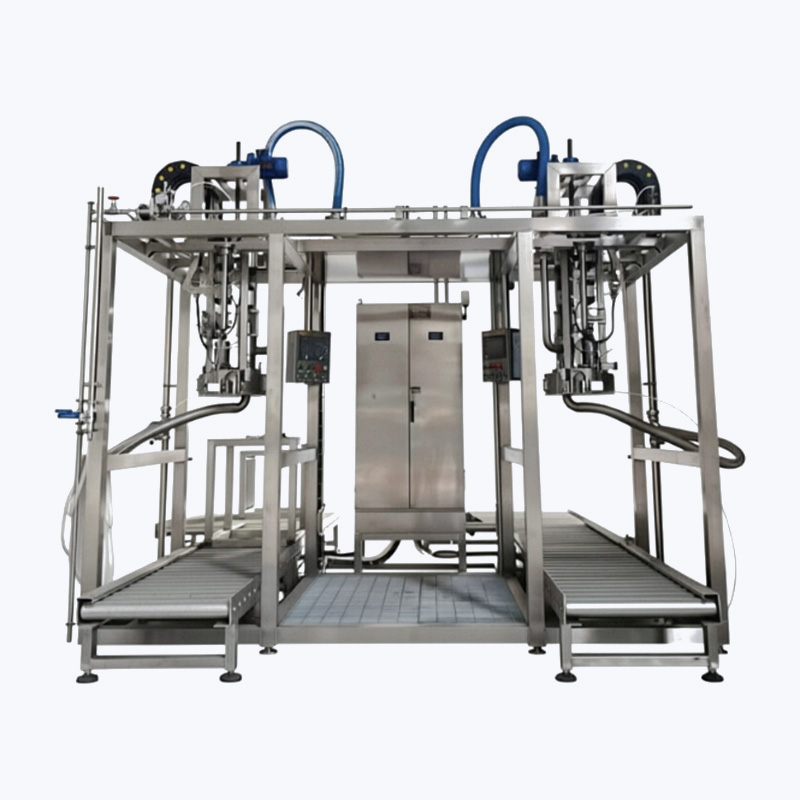
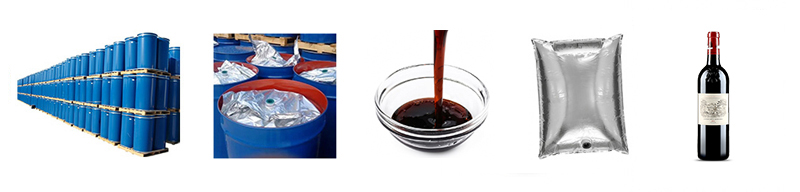
4. Sterilization & Packaging: The final product is sterilized using Ultra-High Temperature (UHT) sterilizer to ensure commercial sterility. It is then packaged in aseptic bags.
Introduction of Our Grape Wine Processing Line:
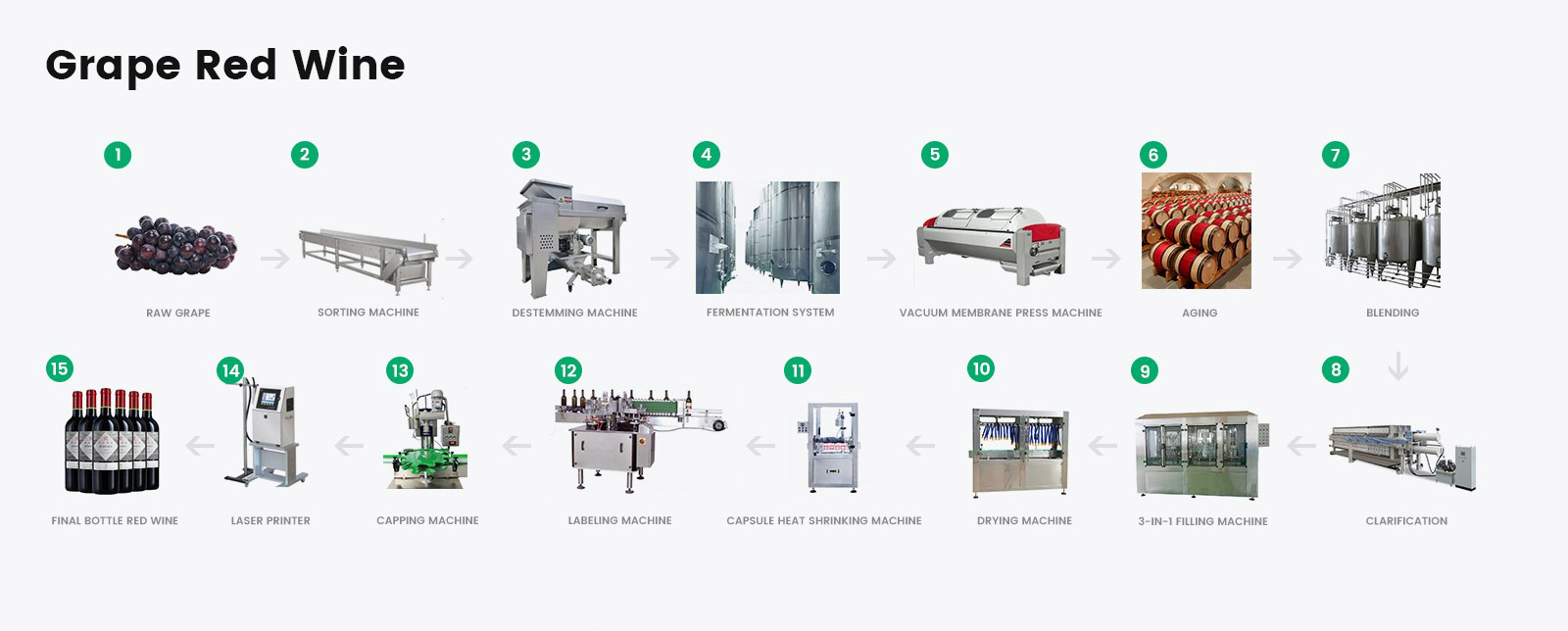
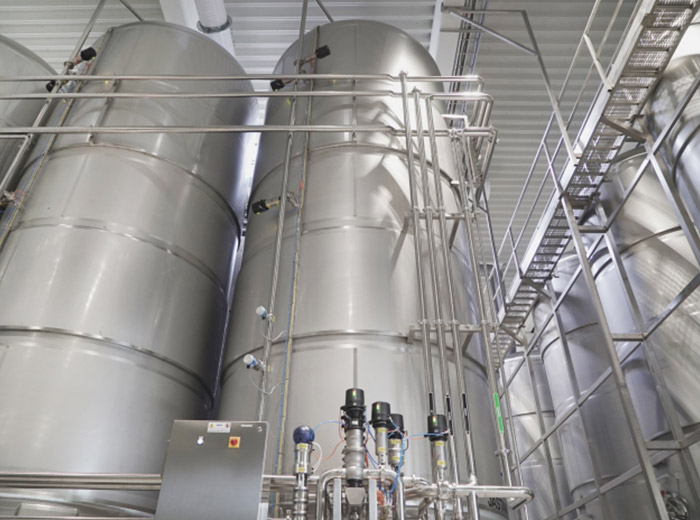
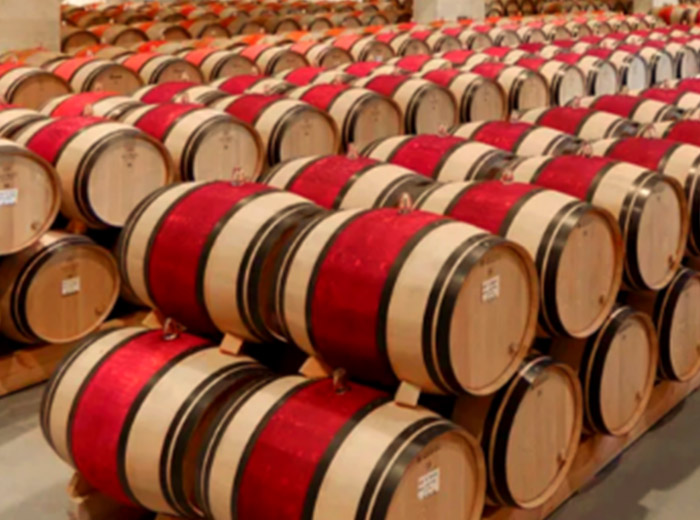
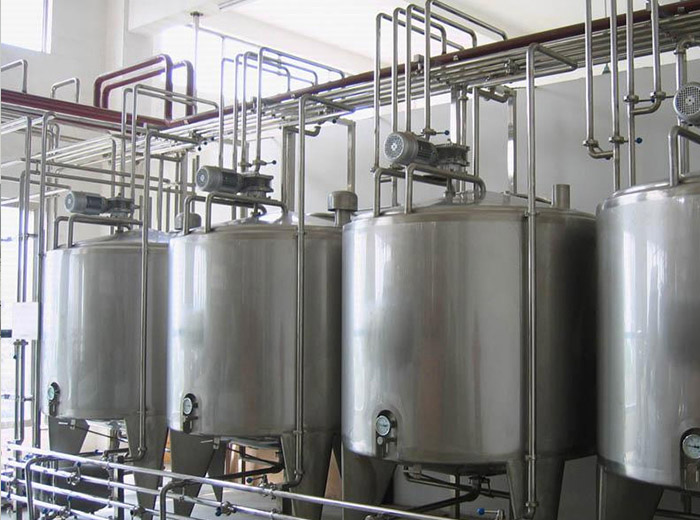
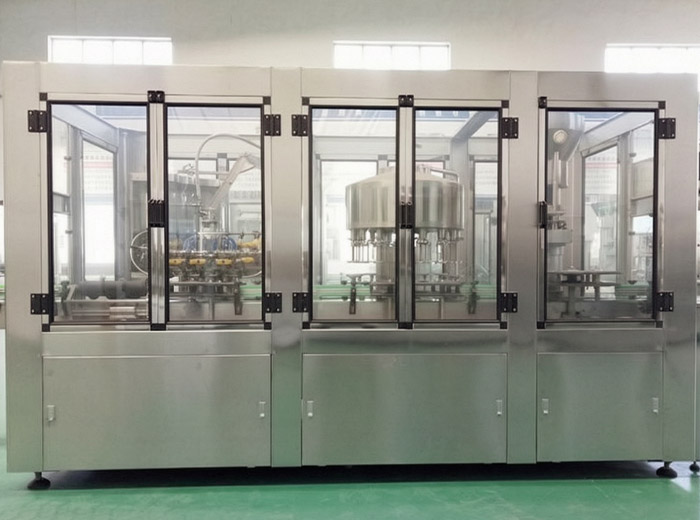
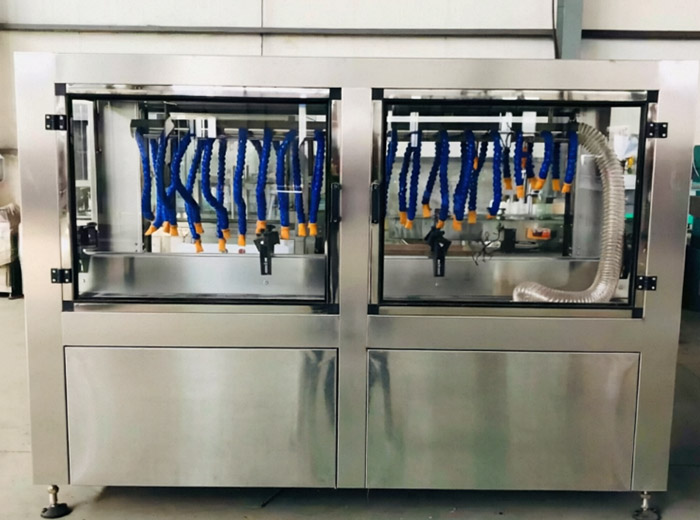
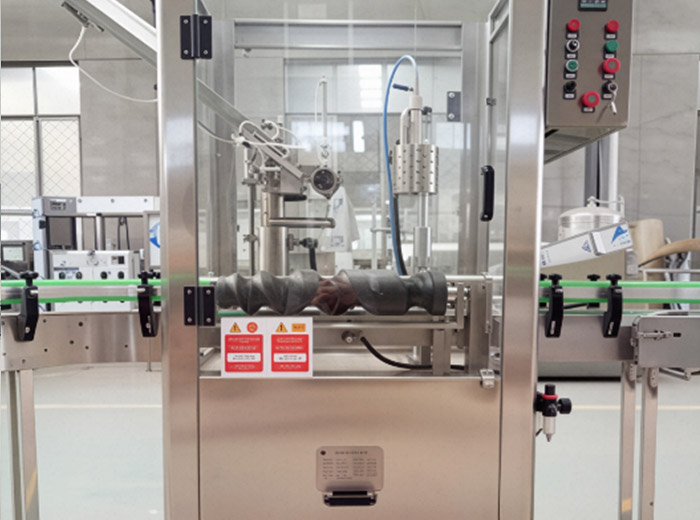
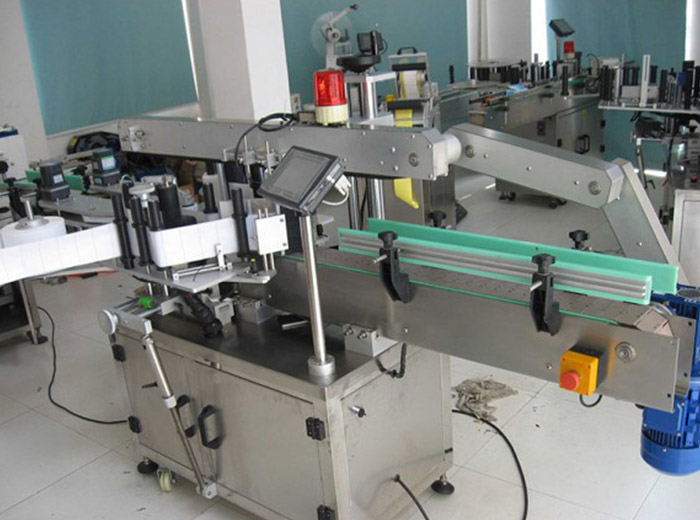
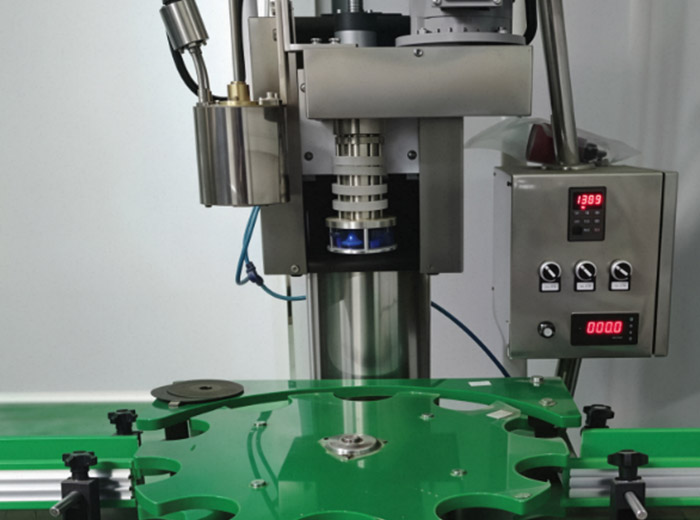
Our grape wine production line is an automated system that transforms harvested grapes into bottled wine. The process begins with sorting, destemming, and crushing the grapes, followed by controlled fermentation in temperature-regulated tanks. After pressing and clarification, the wine is aged to develop its flavor profile. Finally, the automated bottling line handles filling, capping, labeling, and packaging. Made of food-grade stainless steel, this highly efficient and hygienic equipment ensures consistent quality while significantly reducing labor costs and maximizing production output.

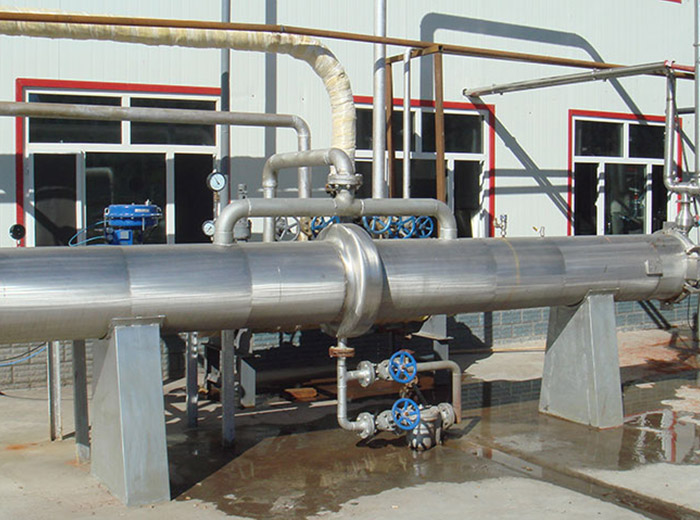
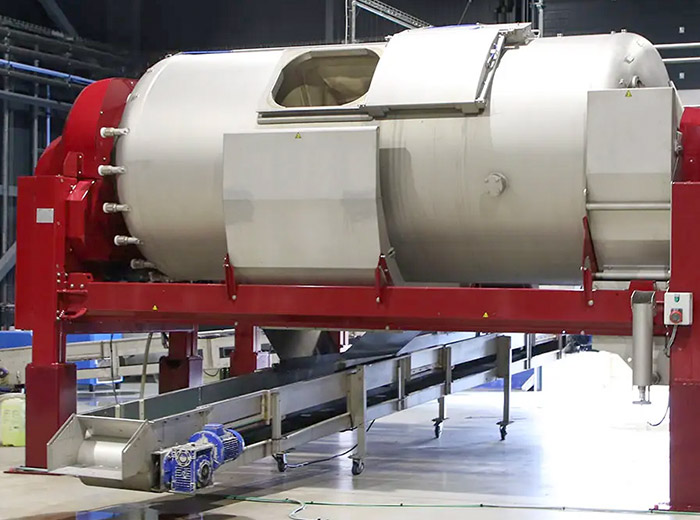
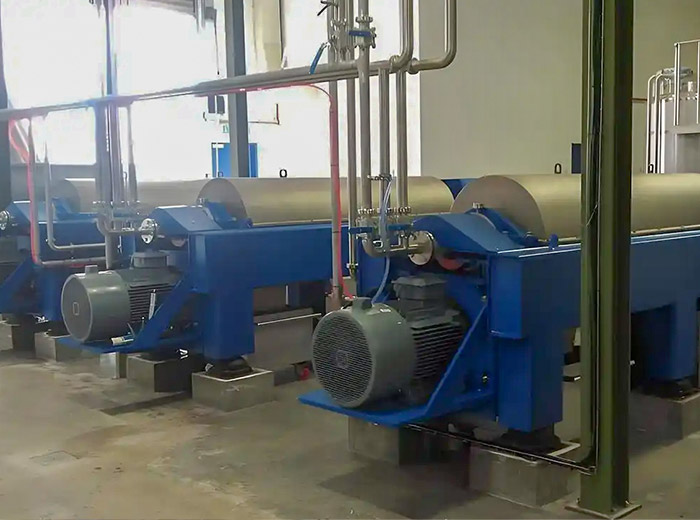
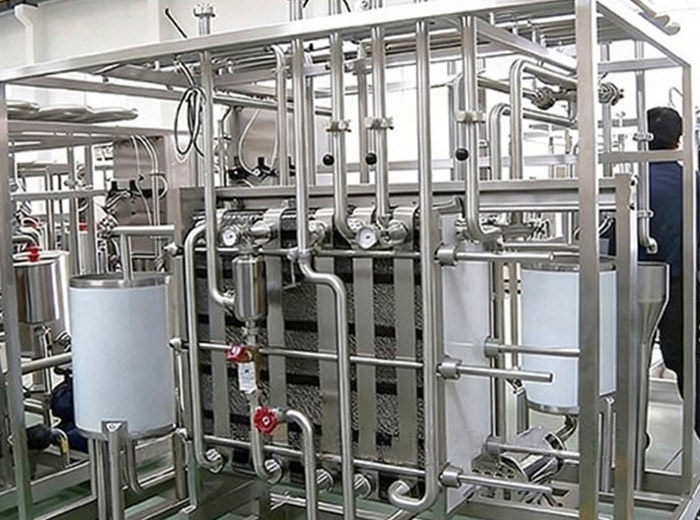
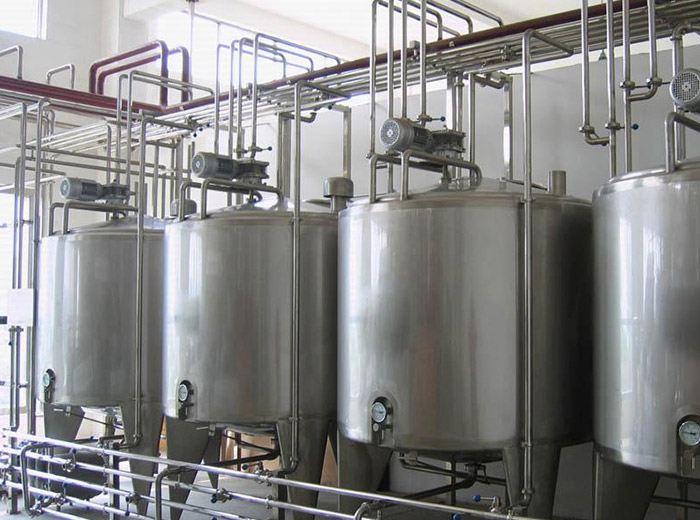
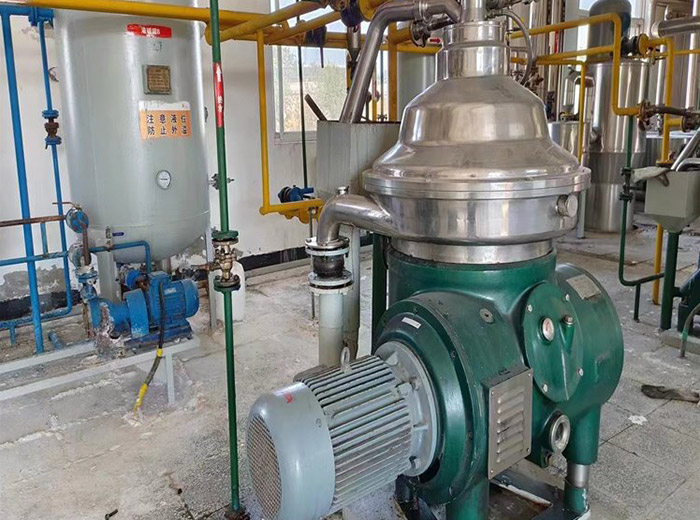
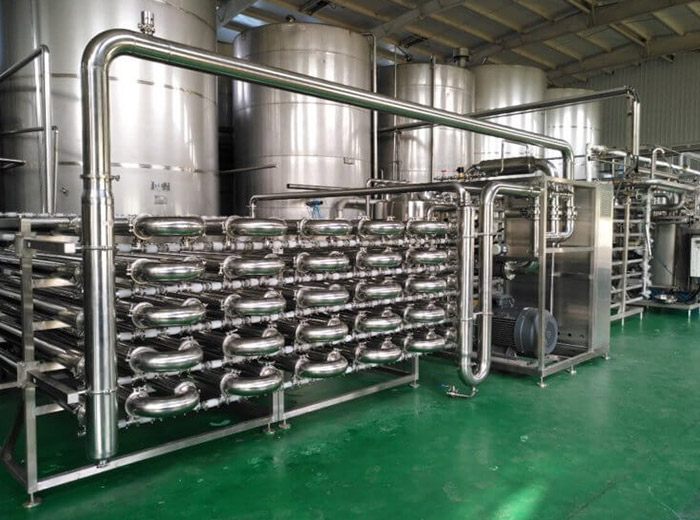
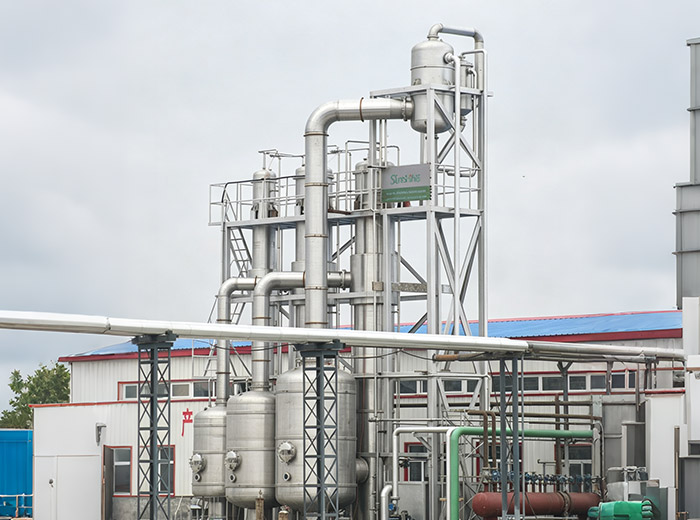
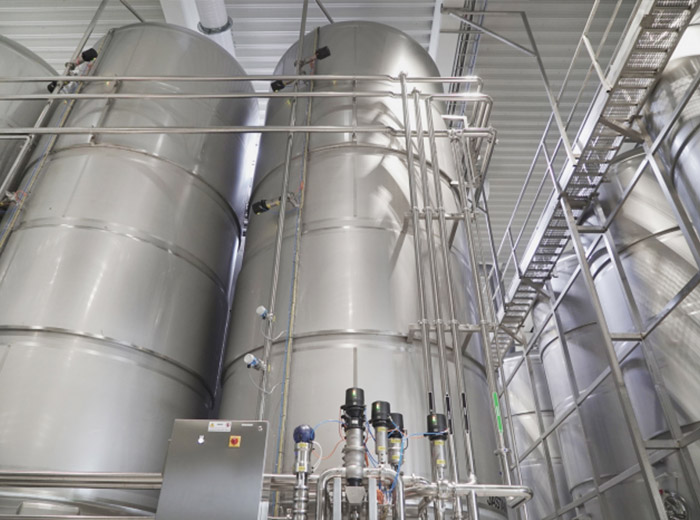
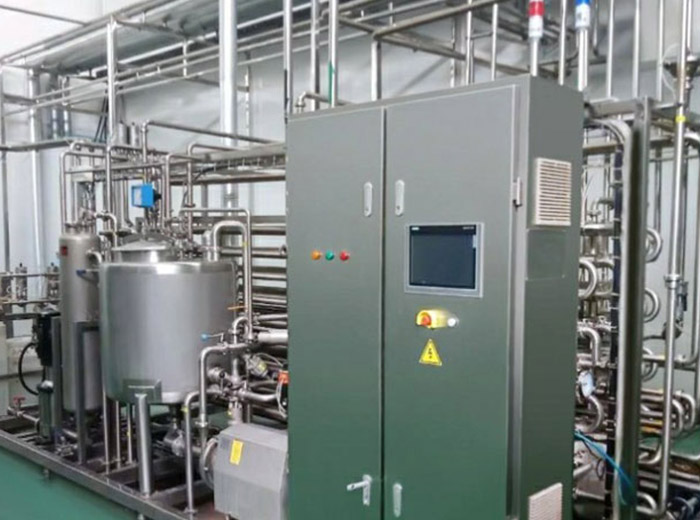
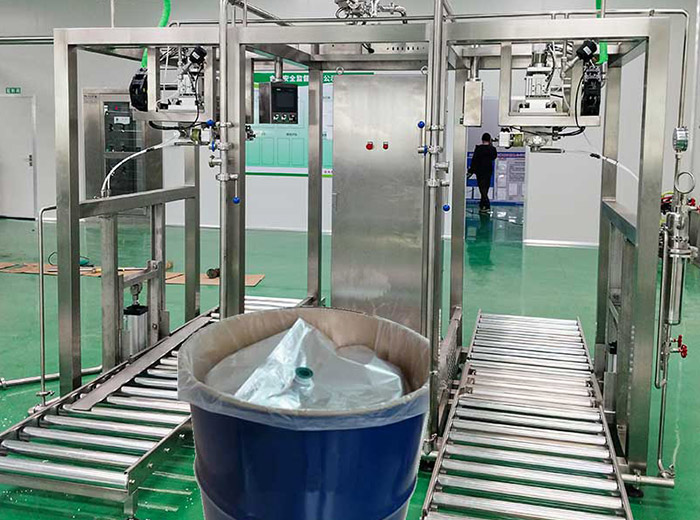
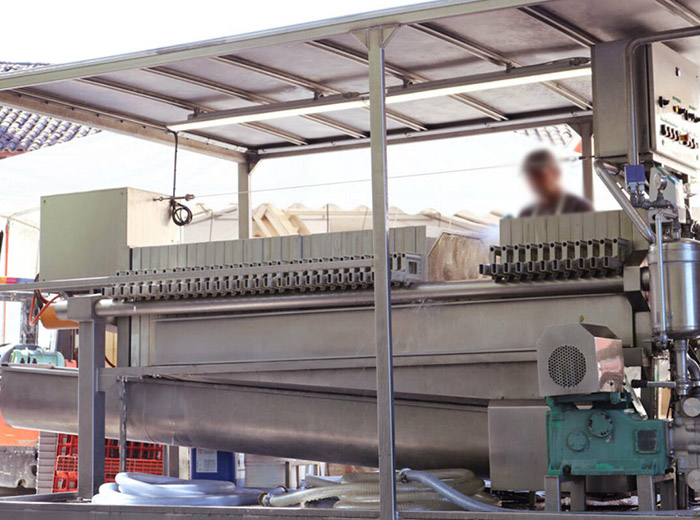
Adopting advanced Italian technology that meets European standards, our smart production line features vacuum membrane press technology to extract the grape fermentation juice to the maximum extent, equipped with a fully automatic PLC control system and world-brand accessories.
|
ITEM |
SPECIFICATION |
|
Major material |
Grape |
|
Final product |
Juice(Cloudy & Clear)/ concentrate juice |
|
Final product package |
Aseptic bag (5L-220L, 1000L) |
|
Process capacity |
2~25tons/hr fresh fruits input |
|
Budget |
200,000~2,500,000 USD |
|
Main characters |
1- Different juice extraction machine designed particularly upon different fruits so as to extract the juice efficiently at the maximum. |
|
2- The nature flavor, color and nutrients can be retained at the maximum by means of multi-effect low temp falling film vacuum evaporation and UHT short time sterilization. |
|
|
3- The UHT sterilizer and aseptic bag filler is incorporated Italian technologies and improved based on our rich experience, which can retain the fruits’ nature color, flavor and nutrition at the maximum. As well, our patented technology (the heat regeneration by the cold and hot product’s exchange) for sterilizer can save the energy over 30% than traditional. |
|
|
4- The design of the process flow and the piping consider to retain the original natural flavor, aroma, color and nutrient at the maximum. For example, all the temp rising or dropping are finished in a very short time and short distance to avoid the flavor’s escaping or disruption during the heat treatment. |
|
|
5- The optimal proposal is designed and customized upon the client’s project specified requirements and actual conditions based on the principle of “advanced process flow, simple structure equipment, reliable running and energy saved”. Meanwhile, we can design multi-fruit combined processing line as per the local resource available so as to maximum the equipment’s using efficiency. |
|
|
6- The PLC control system and main electric components from SIEMENS, SCHNEIDER or other reliable international brand to ensure the reliable and high auto running. |
|

 Germany
 Tomato Juice Project
Germany
Apple Juice Project

America
Orange Juice Project
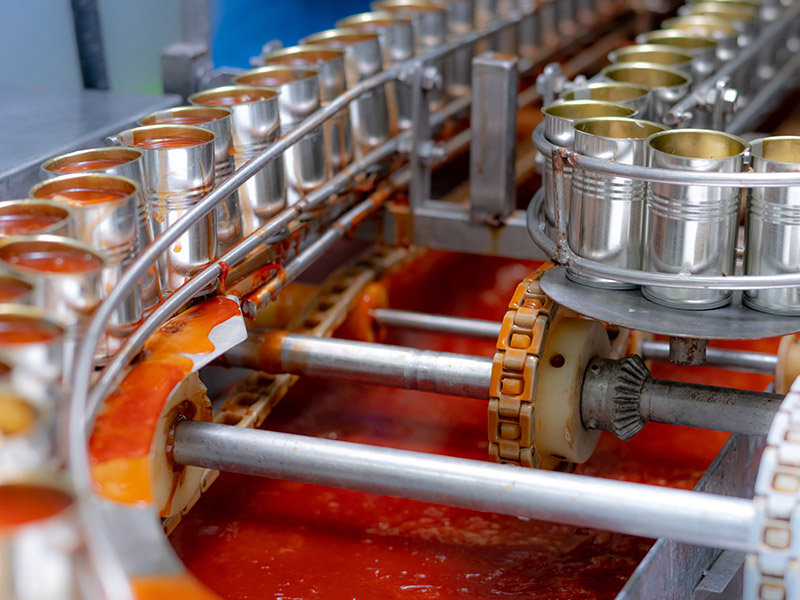
America
Tomato Sauce Project
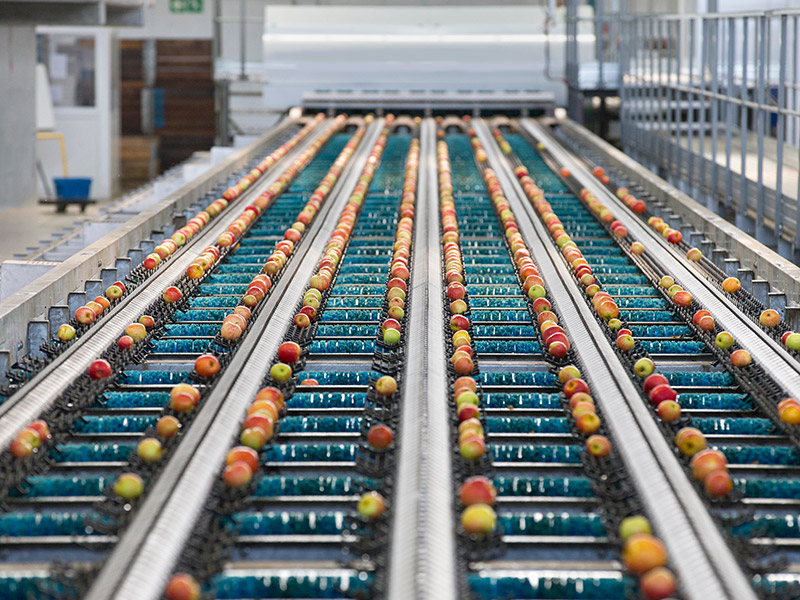

Italy
Apple Juice Project
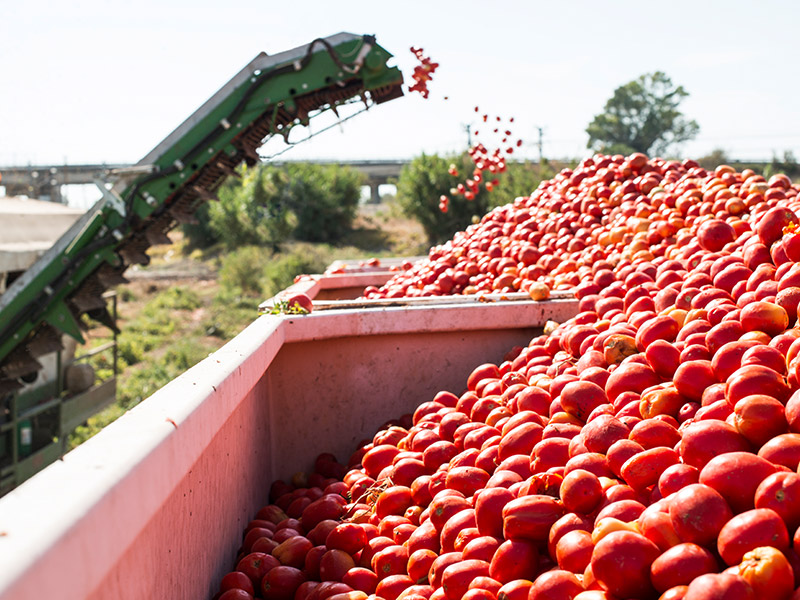
Italy
Tomato Juice Project
Through common questions, you can better understand the company's products, as well as the solutions to issues related to production and after-sales service.
Contact Us
About Us
Establishment time
Number of employees
Company area
Exporting country



Sunshine Machinery (Shanghai) Co., Ltd. designs, manufactures and commissions Grape Juice & Wine Processing Line systems that take fresh grapes through washing, sorting, destemming and crushing to clarified juice, concentrate or finished wine. Buyers comparing Grape Juice Production Line Manufacturers will find that we build both the juice route and the wine route on the same pre-treatment platform, then configure extraction, clarification, concentration, sterilization and filling around the product you intend to sell.
Our standard scope covers 2–25 t/h of fresh grape input, with cloudy juice, clear juice, concentrate and wine as the four product destinations. Every line is assembled from our own key machines and integrated with a PLC control system using SIEMENS, SCHNEIDER or comparable international components.
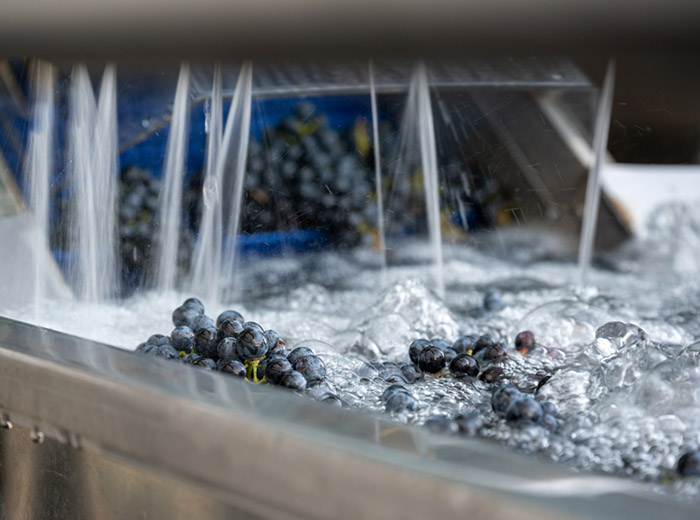
Grapes arrive at the plant with stems, leaves, damaged berries and field heat. The front end of the line is therefore common to both routes: bubble washing, manual or automated sorting, destemming and crushing. From the crusher onward, the process splits according to whether the customer is producing a juice product or a fermented wine.
The juice route is built to protect colour, aroma and nutrients while removing the solids and salts that cause haze and instability in storage. Heating and cooling steps are kept short and close-coupled so the product is not held at temperature longer than the process requires.
| Stage | Equipment | Process Purpose |
|---|---|---|
| Washing and sorting | Bubble washing machine, sorting table | Removes soil and field debris; rejects rotten or damaged berries before they reach extraction |
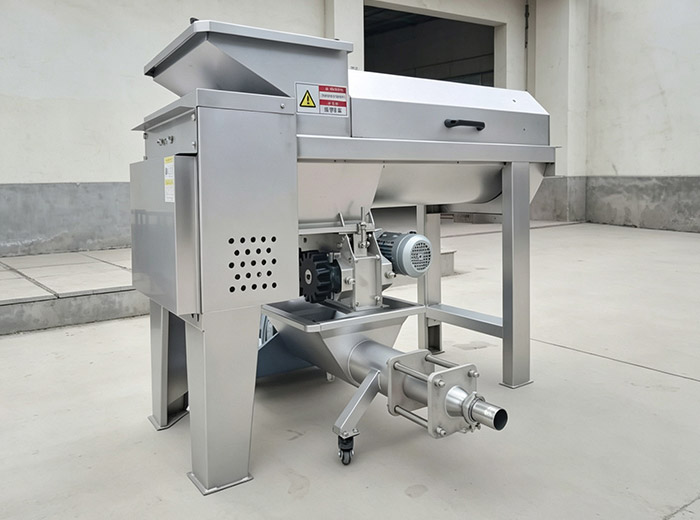
| Destemming and crushing | Destemming machine, crusher | Separates stems to avoid harsh green notes; opens the berry for pressing |
| Pre-heating | Pre-heating machine | Deactivates pectinase to reduce browning and improve pressing behaviour |
| Extraction | Vacuum membrane press machine | Low-oxygen pressing that recovers a high share of free-run and press juice |
| Solids separation | Decanter, disc separator | Removes coarse pulp and fine suspended solids in two stages |
| Enzyme treatment and clarification | Enzyme dosing system, ultrafiltration | Breaks down pectin for clear juice and stable colour |
| Concentration (optional) | Falling film vacuum evaporator | Raises Brix at low temperature under vacuum to limit aroma loss |
| Tartaric stabilization | Tartaric acid removal system | Reduces tartrate precipitation risk during storage and shipping |
| Sterilization and filling | Tube in tube sterilizer, aseptic filler | UHT treatment followed by aseptic bag filling from 5 L to 220 L, with 1000 L drums available |
For wine, the emphasis shifts from yield to control of fermentation temperature and oxygen contact. Crushed grapes enter temperature-regulated fermentation tanks, and the fermented must is pressed in the vacuum membrane press. Aging, blending and clarification follow, after which the wine moves to the bottling block.
Plants that already run a juice line can add fermented products through a Wine Processing Line Factory that designs the wine route on the same front end, so the washing, sorting, destemming and pressing equipment is shared, which reduces capital outlay and floor space. We design these combined layouts during the proposal stage rather than after equipment selection.
| Parameter | Standard Range | Notes |
|---|---|---|
| Raw material | Fresh grape | Variety and ripeness affect pressing yield and clarification load |
| Final product | Cloudy juice, clear juice, concentrate, wine | Concentration and tartaric removal are optional modules |
| Capacity | 2–25 t/h fresh fruit input | Pilot and laboratory scales available for product development |
| Packaging | Aseptic bag 5 L–220 L, 1000 L | Glass bottle filling for the wine route |
| Control | Fully automatic PLC | SIEMENS, SCHNEIDER or equivalent main electrical components |
| Material of construction | Food-grade stainless steel | Contact surfaces finished for food processing duty |
The same nominal capacity can be built in several ways depending on the product mix and the site. We fix these decisions before fabrication so the piping, utilities and control logic match the intended operation.
The PLC system coordinates washing through filling, with interlocks on temperature, level and pressure at the critical stages. Heat regeneration through cold and hot product exchange reduces steam and cooling demand compared with conventional sterilizer designs, which lowers operating cost across the season.
We apply full-process quality management from incoming stainless steel and components through to final assembly. Before shipment, every line completes a full trial operation and water commissioning run so that pumps, valves, sensors and the PLC sequence are proven together rather than as separate machines.
Acceptance at site follows the same logic: mechanical completion, water test, product trial, then handover of set points and cleaning procedures. Our engineers remain on site for the first production run where the project scope includes commissioning support.
Grape campaigns are short and intense, so wear parts and service access are planned around the harvest window. Membranes, seals, gaskets and filter elements are identified in the spare parts list issued with the line documentation.
The grape line shares engineering principles with our other fruit and vegetable lines, and customers sometimes run more than one product through a single plant. Related lines in our Fruit/Veg. Process Line range include apple, pear and thorn-pear juice processing and tomato paste processing, both of which use comparable extraction, evaporation and aseptic filling modules.
Yes. The washing, sorting, destemming and crushing stages are shared, and the line branches after the crusher. We size the shared front end for the higher of the two throughputs and specify the downstream modules for each product separately.
Our grape juice and wine lines are configured from 2 to 25 t/h of fresh fruit input. Smaller pilot and laboratory systems are available for product development and trial production before a full industrial line is committed.
Concentration uses multi-effect low-temperature vacuum evaporation, which lowers the boiling point and shortens product residence time. Heating and cooling steps elsewhere in the line are kept short and close-coupled to limit flavour loss during heat treatment.
Aseptic bag filling covers 5 L to 220 L bags and 1000 L drums. The wine route uses glass bottle filling with capping, capsule shrinking, labeling and date printing as part of the same bottling block.
Each line undergoes complete trial operation and water commissioning before shipment, verifying pump and valve operation, sensor response and PLC sequencing. Site acceptance then repeats the sequence with product before handover.
Our engineers provide on-site installation guidance, commissioning and operator training covering operation, cleaning and routine maintenance. Where the scope requires it, engineers can remain on site through the initial production period.

Copyright © Sunshine Machinery (Shanghai) Co., Ltd. All Rights Reserved Customized Grape Juice Processing Line Suppliers