


 English
 русский
 Español
 عربى
 Français
Aseptic BIB or BID Filling: Which Is Right for Fruit Puree and Concentrate?
Content
Aseptic BIB vs BID Filling: Which Format Fits Your Product?
Once fruit puree or juice concentrate has been sterilized, the way it is packed decides whether it keeps its quality through storage and shipping. Bulk aseptic packaging in flexible bags is the standard answer for ingredient products, and two formats dominate: bag in box (BIB) and bag in drum (BID). Both belong to the wider aseptic and non-aseptic BIB and BID filling systems range, but they suit different customers.
What aseptic bulk filling does
The product is sterilized and cooled, then filled into a pre-sterilized bag in a sterile filling head. No preservatives are needed for many products, and the sealed bag protects color, flavor and nutrients. Typical products include tomato paste, mango puree, banana puree, peach and apricot paste, juice concentrates, syrups and some dairy liquids.
BIB: smaller units, easier handling
An aseptic BIB (bag in box) filler packs product into bags that sit in a carton. Boxes are easy to stack, label and move by hand or pallet jack. This format suits mid-size orders, food service buyers and processors that sell to several customers in small lots.
BID: large volume, lower packaging cost per ton
An aseptic BID (bag in drum) filler handles much larger bags, commonly in the 5 L to 220 L range and up to 1000 L tote format, using high-barrier aluminum-plated or pure aluminum composite film, or transparent aseptic bags. Drums suit export containers and large ingredient buyers who want fewer packages to handle per ton.
How to decide
- Order size: small and mixed orders lean to BIB; large single-product shipments lean to BID.
- Customer equipment: check what your buyers can unload and empty.
- Product viscosity and particles: pastes and products with pulp or granules need a filler built for them.
- Sterility requirement: where full aseptic storage is not needed, a non-aseptic BIB and BID filler can be a lower-cost option.
Pair the filler with the right sterilizer
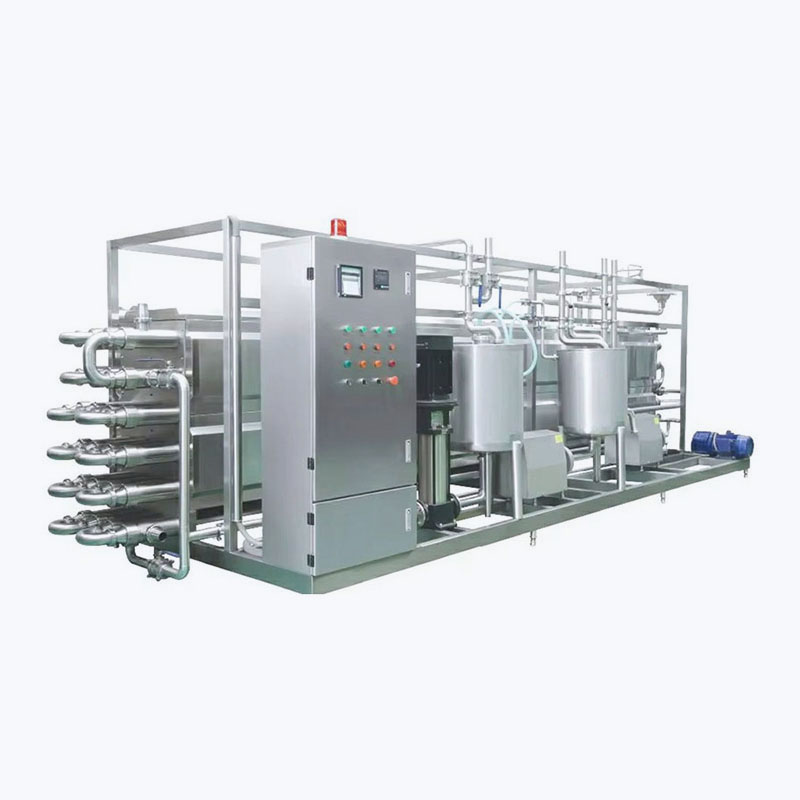
The filler only works as well as the heat treatment in front of it. An aseptic tube in tube sterilizer suits pastes and products with pulp, while a tubular UHT / pasteurizer fits thinner juices. Both are normally supplied as part of a whole production line, so the sterilizer and filler are matched from the start.
For help choosing a format, send us your product details and expected output, and our engineers will recommend a suitable configuration.

QUICK LINK
CONTACT US
- ADDRESS : No. 900, Lanfeng Road, Fengxian District, Shanghai, China
- TEL./WHATSAPP : +86 18301859083
- EMAIL : jerry@shsunshineco.com huxg2002@163.com
MOBILE TERMINAL
Copyright © Sunshine Machinery (Shanghai) Co., Ltd. All Rights Reserved OEM Customized Fruit Processing Line Turnkey Solution
