


 English
 русский
 Español
 عربى
 Français
What Is Mayo Made Of? A Friendly Guide to Ingredients and Emulsification
Content
Mayonnaise looks simple enough: a pale, creamy condiment that spreads neatly onto a sandwich or mixes into a salad dressing. Yet anyone who has tried to make it at home knows that mayo is a small piece of food science in a jar. The ingredients are few, but the way they are combined matters enormously.
So, what is mayo made of? At its heart, mayonnaise is an emulsion of oil, egg yolk, and an acid such as vinegar or lemon juice, seasoned with salt and often mustard. Commercial mayonnaise may add a few more ingredients for consistency, shelf life, and production efficiency, but the basic idea remains the same.
The Basic Ingredients in Mayonnaise
Traditional mayonnaise relies on four building blocks: oil, egg yolk, acid, and seasoning. Each one has a job to do, and the finished texture depends on how they interact.
Oil: The Body of Mayo
Oil makes up most of mayonnaise by volume, often 70 to 80 percent or more. Neutral-flavored oils are common because they let the tang of vinegar and the richness of egg yolk come through. Soybean oil, sunflower oil, canola oil, and rapeseed oil are widely used in commercial products. Olive oil mayonnaise exists too, but its stronger flavor changes the character of the finished sauce.
Egg Yolk: The Emulsifier
Egg yolk is the ingredient that brings the oil and water-based components together. It contains proteins and lecithin that act as emulsifiers, helping tiny oil droplets stay suspended in the watery phase instead of separating. Some recipes use whole eggs, while others use only yolks for a richer result. Commercial producers often use pasteurized egg products for safety and consistency.
Vinegar or Lemon Juice: The Tang and Safety
Acid gives mayonnaise its familiar brightness. White vinegar, cider vinegar, wine vinegar, and lemon juice are all common. Acid also lowers the pH of the product, which helps control microbial growth and contributes to shelf stability when combined with good manufacturing practice. The amount used affects both flavor and the stability of the emulsion.
Mustard, Salt, and Other Seasonings
Mustard is not strictly essential, but it is a classic addition. It adds flavor and contains natural emulsifiers that can help stabilize the sauce. Salt brings the flavors into focus. Some recipes include a little sugar, white pepper, paprika, or herbs. In commercial mayonnaise, you may also see ingredients such as modified starch, gums, calcium disodium EDTA, or preservatives, depending on the recipe and the market.
A Quick Ingredient Reference
The table below summarizes the main components and what they contribute to the finished product.
| Ingredient | Main Role | Common Examples | What It Adds |
|---|---|---|---|
| Oil | Dispersed phase | Soybean, sunflower, canola | Richness, creaminess, body |
| Egg yolk | Emulsifier | Fresh or pasteurized yolk | Stability, flavor, color |
| Acid | Flavor and pH control | Vinegar, lemon juice | Tang, preservation support |
| Mustard | Seasoning and emulsion aid | Dijon, mustard powder | Pungency, stability |
| Salt and sugar | Seasoning | Sea salt, sugar | Balance and depth |
| Stabilizers | Texture and shelf life | Starch, gums | Consistency, reduced separation |
How Mayonnaise Comes Together
Making mayonnaise is all about emulsion. In simple terms, an emulsion is a mixture of two liquids that do not normally blend, such as oil and water. Egg yolk helps break the oil into tiny droplets and keeps them suspended in the vinegar or lemon juice phase. If the oil is added too quickly, the droplets can merge and the mixture can break, leaving a greasy pool rather than a smooth sauce.
At home, this usually means whisking egg yolk with mustard and acid, then adding oil drop by drop at first. Once the emulsion forms, the rest of the oil can go in more steadily. In commercial production, the process is more controlled. High-shear mixers, colloid mills, or homogenizers create a fine, stable emulsion, while ingredient dosing and temperature are monitored closely. The goal is a consistent product with the right viscosity, color, and shelf life.
For producers working with sauces and liquid foods, the equipment around the recipe matters as much as the recipe itself. Our team has spent years helping food manufacturers move from a bench recipe to reliable production, including mixing, thermal treatment, and hygienic filling. If you are developing a mayonnaise-style sauce or a related emulsion, our sauce processing and filling solutions can be adapted to your product, packaging, and capacity.
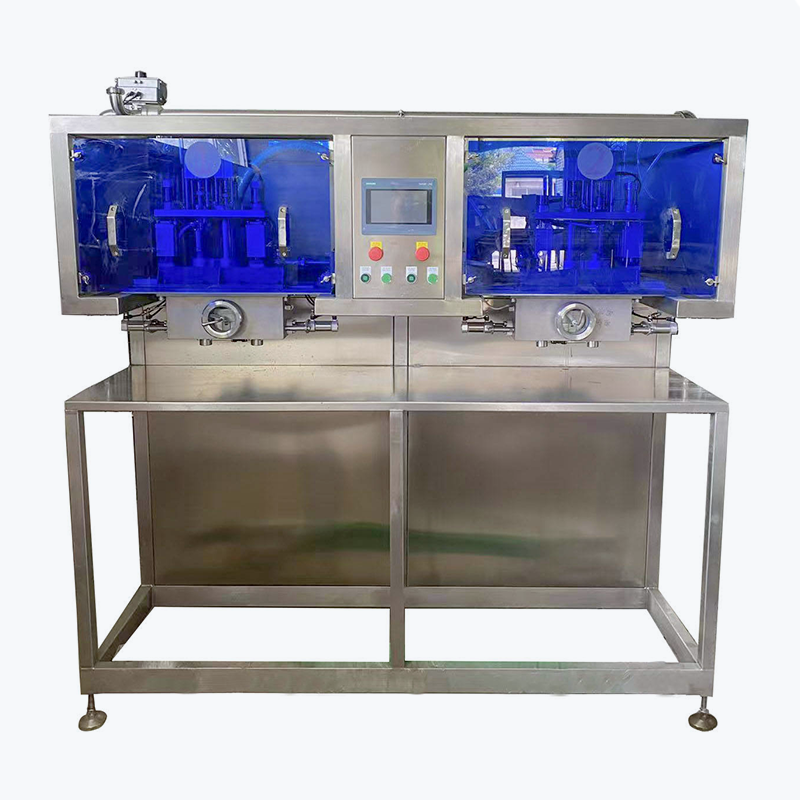
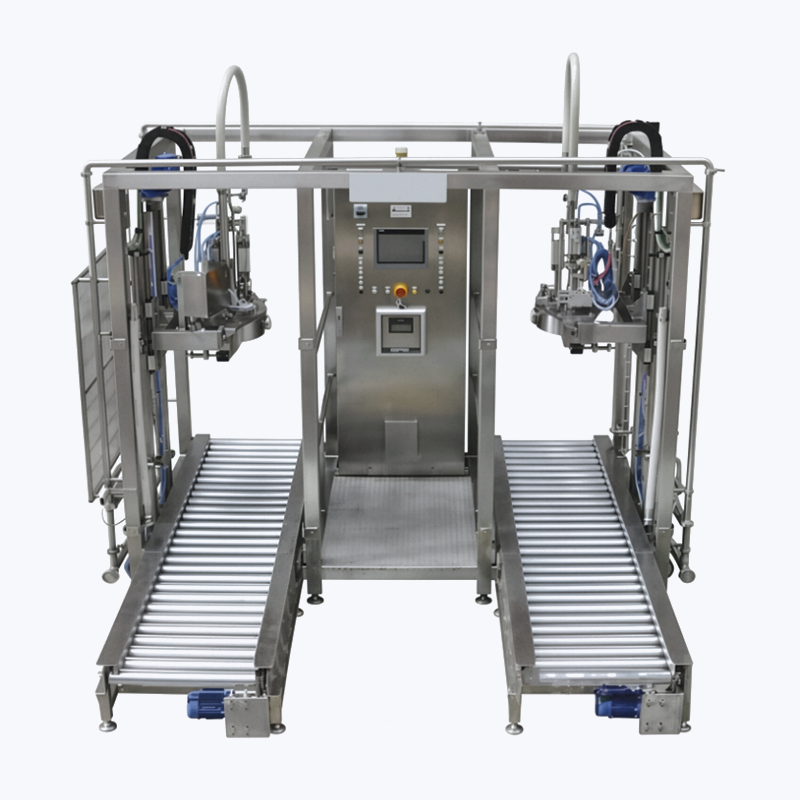 Non-Aseptic BIB and BID Filling MachineSemi-automatic filler handles 1–25 L bag-in-box and 5–220 L bag-in-drum formats, supporting accurate, hygienic bulk filling of non-sterile liquid foods.View Product →
Bulk sauces often travel in bag-in-box or bag-in-drum formats, and the filling stage needs to protect the texture and hygiene of the product. That is why filling equipment should be chosen alongside the mixing and preservation steps, not after them.
Homemade Mayo vs. Commercial Mayo
Homemade mayonnaise is usually made in small batches with raw egg, oil, acid, salt, and mustard. It is fresh, flavorful, and best kept refrigerated and used within a short time. Because it contains raw egg and has no added preservatives, food safety deserves attention, especially when the mayo sits out at room temperature.
Commercial mayonnaise is formulated for stability and shelf life. Producers may use pasteurized egg products, control the pH carefully, add stabilizers, and fill the product under hygienic conditions. The result is a more consistent sauce that can withstand transport and storage. This does not make commercial mayo better or worse than homemade; it simply serves a different purpose.
- Homemade: fresh flavor, small batches, raw egg, short shelf life.
- Commercial: consistent texture, controlled acidity, pasteurized ingredients, longer shelf life.
- Foodservice: bulk packs, portion control, and formulations designed for repeated use.
What About Egg-Free and Light Mayonnaise?
Not everyone wants egg in their mayonnaise, and some people prefer a lower-fat option. Egg-free mayonnaise, sometimes called vegan mayo, uses ingredients such as aquafaba, pea protein, soy protein, or modified starch to create the emulsion. These products can be remarkably convincing, though their flavor and texture are usually a little different from egg-based mayo.
Light or reduced-fat mayonnaise often replaces some of the oil with water and uses starches or gums to maintain body. The result can be tangier and slightly less rich, but it works well in sandwiches and salads where a lighter texture is welcome. In many markets, the word “mayonnaise” is regulated, so a product labeled “mayonnaise” may need to meet specific fat or egg-content rules. That is one reason labels are worth reading when you want to know exactly what is in the jar.
Why Mayo Is Thick, White, and Creamy
The thickness of mayonnaise comes from the emulsion itself. Countless tiny oil droplets are packed into the watery phase, and as they crowd together, they give the sauce body. Stabilizers can reinforce that structure in commercial products. The white color is also a result of the emulsion: light scatters off the fine oil droplets, making the sauce appear pale even though egg yolk is yellow.
Good mayonnaise should look smooth and glossy, not grainy or split. A broken emulsion is usually a sign that the oil was added too fast, the ingredients were too cold, or there was not enough emulsifier to hold the system together. Commercial producers avoid these problems with controlled mixing, precise ingredient ratios, and consistent raw materials.
Common Uses and Production Considerations
Mayonnaise is used far beyond sandwiches. It is a base for burger sauces, tartar sauce, remoulade, coleslaw, potato salad, chicken salad, and many dips. In foodservice, it is often bought in bulk and flavored with garlic, chili, herbs, or citrus to create house sauces. In food manufacturing, mayonnaise-style emulsions can appear in ready meals, dressings, and filled bakery products.
For a producer, the key questions are not only “what is mayo made of?” but also “how will it be mixed, preserved, and filled?” Viscosity, pH, oil content, and packaging format all influence the process. A smooth, stable sauce that is easy to fill into jars may behave differently when filled into large BIB or BID containers. Matching the formulation to the equipment saves time and reduces waste.
Our background in fruit, vegetable, sauce, and liquid-food processing has taught us that small details matter. A gentle mixing step, an accurate acid dose, or a well-chosen filler can make the difference between a product that separates on the shelf and one that stays creamy to the last serving. We enjoy working with producers who care about those details.
The Takeaway
Mayo is made of oil, egg yolk, acid, salt, and often mustard, with commercial recipes sometimes adding stabilizers or preservatives. The magic is not in a long ingredient list but in the emulsion. When oil, water, and egg yolk are combined in the right way, they create the smooth, tangy sauce that so many kitchens rely on. Whether you are whisking a small bowl at home or planning a production batch, understanding those ingredients is the first step toward making better mayonnaise.

QUICK LINK
CONTACT US
- ADDRESS : No. 900, Lanfeng Road, Fengxian District, Shanghai, China
- TEL./WHATSAPP : +86 18301859083
- EMAIL : jerry@shsunshineco.com huxg2002@163.com
MOBILE TERMINAL
Copyright © Sunshine Machinery (Shanghai) Co., Ltd. All Rights Reserved OEM Customized Fruit Processing Line Turnkey Solution
