


 English
 русский
 Español
 عربى
 Français
what is homogenized milk: Applications, Selection Criteria, and Practical Guidance
Content
- 1 What Is Homogenized Milk?
- 2 How the Homogenization Process Works
- 3 Why Milk Is Homogenized
- 4 Homogenized vs Unhomogenized Milk
- 5 Pasteurization, Homogenization and Sterilization: Different Jobs
- 6 Where the Process Sits in a Modern Processing Line
- 7 Does Homogenization Change Nutrition or Safety?
- 8 Reading the Label and Choosing the Right Milk
- 9 Questions We Hear From Producers
Unscrew the cap of a supermarket milk bottle and the contents look almost like smooth, pale paint: the same at the top as at the bottom, from the first glass to the last. That consistency is not an accident of nature. It is the result of homogenization, and it is the reason the word appears on so many cartons.
Put simply, homogenized milk is milk whose fat has been mechanically broken into very small droplets and spread evenly through the liquid, so it no longer separates into a cream layer. Nothing is added to the milk, and the fat content stays exactly as stated on the label. What follows is a practical explanation of how the process works, why dairies use it, and what it means for the milk you drink — written from the point of view of engineers who build and commission dairy and beverage processing equipment.
What Is Homogenized Milk?
Fresh milk is a natural emulsion: tiny butterfat globules are suspended in a water-based liquid. Left to stand in a jug, those globules are large enough and light enough to float upward, gradually forming the thick cream line you may remember from older glass bottles. Homogenization prevents that separation by forcing the milk through a very narrow gap under high pressure. The fat globules are torn apart into droplets far too small to rise, and they stay evenly dispersed through the milk instead.
The technology is not new. The basic idea was developed in France around 1900, using pressure to stabilize milk fat in a similar way that high-pressure homogenizers later stabilized emulsions of all kinds. A century on, the principle is unchanged: change the size of the droplets, and the milk stops separating.
The term describes a physical process, not an ingredient. Homogenized milk is not watered down, thickened, or chemically altered. The milkfat is the same fat — it has simply been divided into millions of smaller particles.
How the Homogenization Process Works
The heart of the operation is the homogenizer, which is essentially a very robust high-pressure pump feeding a specially shaped valve. The sequence looks like this:
- Milk is warmed, usually to around 60-70 °C. Heat softens the fat, making it easier to break into small droplets.
- A high-pressure piston pump pushes the milk forward, building pressures typically between 100 and 250 bar depending on the product and the target result.
- The pressurized milk is forced through a narrow valve gap. Velocity rises sharply and pressure collapses on the far side.
- That sudden pressure drop creates turbulence, shear and cavitation forces that break the fat globules into small droplets, most of them below one or two microns.
- A second, lower-pressure stage follows, where newly formed droplets are forced to collide and re-form as a stable emulsion rather than clumping back together.
Using two stages is common practice in dairies because it produces a more stable product and reduces the risk of fat clusters. Operators adjust the pressure ratio between the first and second stage based on whether they are running whole milk, standardized milk, cream, a dairy drink, or a plant-based emulsion. The milk then continues to pasteurization or UHT treatment and on to filling.
The result is a uniform product: no cream plug at the neck, no thin watery layer at the bottom, and a consistent fat content in every serving.
Why Milk Is Homogenized
Homogenization solves several everyday problems for producers, retailers and consumers at the same time:
- Uniform fat distribution. Every carton delivers the same fat level, which makes labeling and nutrition claims reliable.
- No cream line. Milk can be poured straight from the container without shaking, which suits modern retail and food-service habits.
- Better appearance and stability. The treated milk looks whiter and more opaque, and it holds together in coffee, tea and milk-based drinks.
- Improved shelf life with heat treatment. Smaller fat droplets are less prone to rising and churning during transport, so the product stays homogeneous right to the consumer.
- Consistent texture in dairy products. Homogenization improves the body of yogurt, ice cream mix, cream liqueurs and fruit-dairy beverages.
- Easier product development. Standardized fat, protein and solids behave predictably when used in flavored milk, cheese milk or blended drinks.
Homogenized vs Unhomogenized Milk
Both styles come from the same animal and both can be sold legally, provided they are correctly heat treated. The practical differences are mostly about distribution and mouthfeel, not about fat content.
| What you notice | Homogenized milk | Unhomogenized milk |
|---|---|---|
| Fat distribution | Evenly dispersed and stays suspended | Rises naturally, forming a cream layer within hours |
| Appearance and pour | Uniform white, consistent from top to bottom | Cream plug at the neck, thinner body below |
| Mouthfeel | Smoother and lighter in body | Richer and creamier on the palate |
| In hot drinks | Blends in easily and resists feathering | May streak or float as the cream separates |
| Typical retail presence | Most fresh and long-life supermarket milk | Specialty, farm-shop and cream-top products |
| Heat treatment needed | Pasteurized or UHT, as labeled | Still requires pasteurization or UHT for safety |
If you buy unhomogenized milk, gently shaking the bottle before pouring restores the balance. Some cooks prefer to skim the cream cap and use it separately; others simply enjoy the richer texture.
Pasteurization, Homogenization and Sterilization: Different Jobs
These three processes are often confused because they usually happen in the same plant, sometimes within minutes of each other. Pasteurization and sterilization are about safety: they use heat to reduce or eliminate harmful microorganisms and to extend shelf life. Homogenization is about physical structure: it changes droplet size but does not kill bacteria and does not make an unsafe product safe.
For that reason, homogenized milk is always also heat treated. In a typical market-milk line, the milk is separated and standardized, homogenized while warm, then pasteurized or given UHT treatment, cooled and filled. For a deeper look at how these steps are arranged in a factory, our engineers have written an overview of the knowledge behind dairy and liquid food processing, including how hygiene and automation are managed between units.
Where the Process Sits in a Modern Processing Line
Homogenization rarely works alone. It sits between separation and heat treatment, and the equipment around it determines how well the whole line performs. A dairy that runs UHT products, for example, needs a homogenizer that can handle elevated temperatures and a sterilizer that delivers stable, repeatable heat treatment afterward.
For high-acid and neutral beverages alike, a
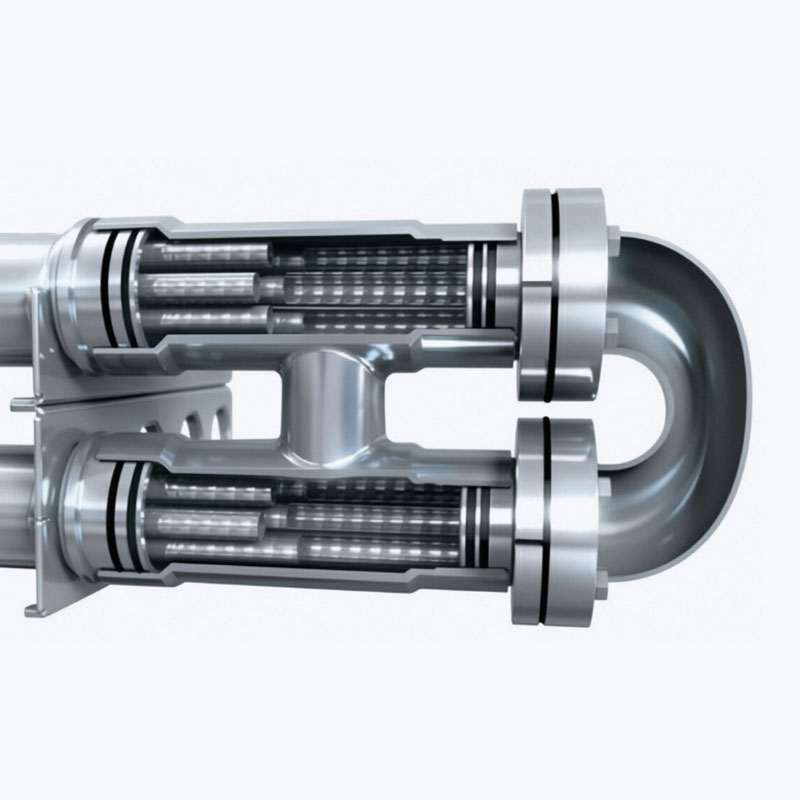 Tubular UHT Pasteurizer for Beverage ProcessingProvides adjustable sterilization and holding times for juices, dairy, and low-viscosity products, preparing beverages for aseptic or hot filling.View Product →
is often the next critical step, giving the product the heat profile it needs before aseptic or hot filling. Where the target is a sterile, ambient-stable product, an
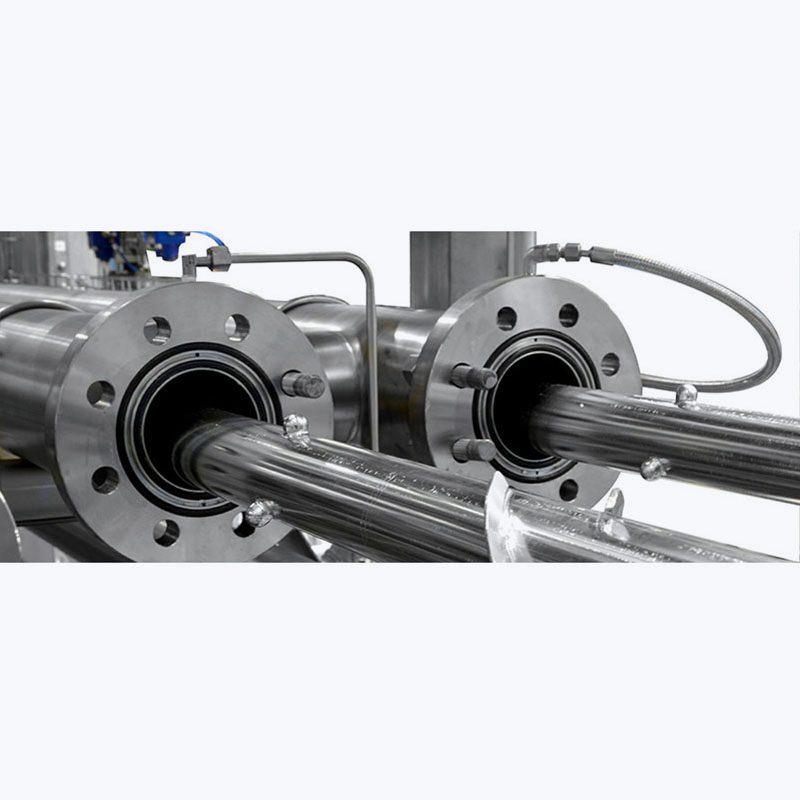 Aseptic Tube-in-Tube Sterilizer for Purees and JuicesHandles fruit pastes, concentrates, and products with pulp or granules, with PLC control and automatic backtrack for reliable continuous sterilization.View Product →
supports smooth, continuous processing with careful temperature control.
Downstream, packaging choices matter just as much. Bag-in-box formats are popular for food service and industrial users, and an
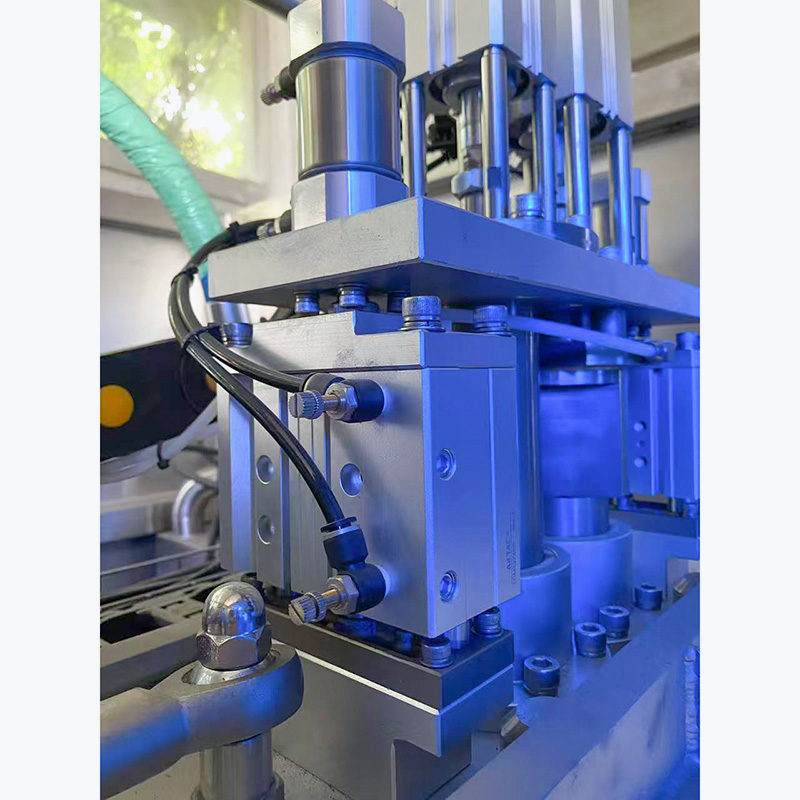 Aseptic Bag-in-Box Filler for 1–30 L FormatsFills 1–30 L bags with automatic lid removal, metering, and sealing, protecting pastes, juices, and dairy products during aseptic packaging.View Product →
keeps the product protected while filling. Matching homogenization pressure, heat treatment and filling hygiene is what makes the difference between a line that runs steadily and one that drifts. Our team spends a good deal of time on that balance when designing, building and commissioning complete lines for dairy and beverage producers.
Does Homogenization Change Nutrition or Safety?
The fat, protein and carbohydrate content of homogenized milk is essentially the same as the raw material it came from. Because the droplets are smaller, the fat is more evenly distributed, which is why a homogenized whole milk tastes slightly lighter than an unhomogenized one of identical fat content — there is no cream-rich first pour.
Some people ask whether smaller fat droplets affect digestion. The fat is still milkfat, and it is digested normally; the change is physical rather than chemical. For individuals with a diagnosed milk allergy, homogenization makes no difference, because the proteins responsible are unaffected. Where lactose intolerance is the issue, homogenization is irrelevant as well — lactose is a sugar dissolved in the water phase, not part of the fat.
Safety, meanwhile, comes entirely from heat treatment and hygiene. A homogenized product that has not been properly pasteurized is no safer than an unhomogenized one.
Reading the Label and Choosing the Right Milk
A few simple habits make shopping easier:
- Check the fat percentage first, not the homogenization claim. Whole, semi-skimmed and skimmed describe fat content; homogenized describes how that fat is dispersed.
- Look for the heat-treatment wording, such as pasteurized or UHT, which tells you how the product was made safe and how it should be stored.
- Choose cream-top milk deliberately if you enjoy the richer texture and do not mind shaking the bottle.
- Match the milk to its use: homogenized milk is convenient for coffee, tea and everyday drinking, while cream-top milk can be a pleasure in baking and cooking.
Questions We Hear From Producers
Can we homogenize after UHT treatment instead of before?
Aseptic homogenization, placed downstream of the sterilizer, is used for products where very stable fat distribution and long ambient shelf life are essential. It requires aseptic equipment and careful validation, and it is usually specified together with the sterilizer and filling system rather than chosen on its own.
Does every product need the same pressure?
No. Whole milk, cream, flavored dairy drinks, concentrated milk and plant-based emulsions each behave differently. Pressure, temperature and the number of stages are set per product, and it is worth running trials before fixing a recipe for a new line.
Homogenized milk, then, is simply milk that has been given a helping hand so that its fat stays where it belongs — spread evenly through every drop. It is a physical process, more than a century old, that makes modern dairy convenient without changing what the milk fundamentally is. If you are planning a dairy or beverage line and want to talk through where homogenization, heat treatment and filling meet, our engineers are always glad to compare notes.

QUICK LINK
CONTACT US
- ADDRESS : No. 900, Lanfeng Road, Fengxian District, Shanghai, China
- TEL./WHATSAPP : +86 18301859083
- EMAIL : jerry@shsunshineco.com huxg2002@163.com
MOBILE TERMINAL
Copyright © Sunshine Machinery (Shanghai) Co., Ltd. All Rights Reserved OEM Customized Fruit Processing Line Turnkey Solution
